
Choosing the right portable grill matters for cooking outcomes and convenience
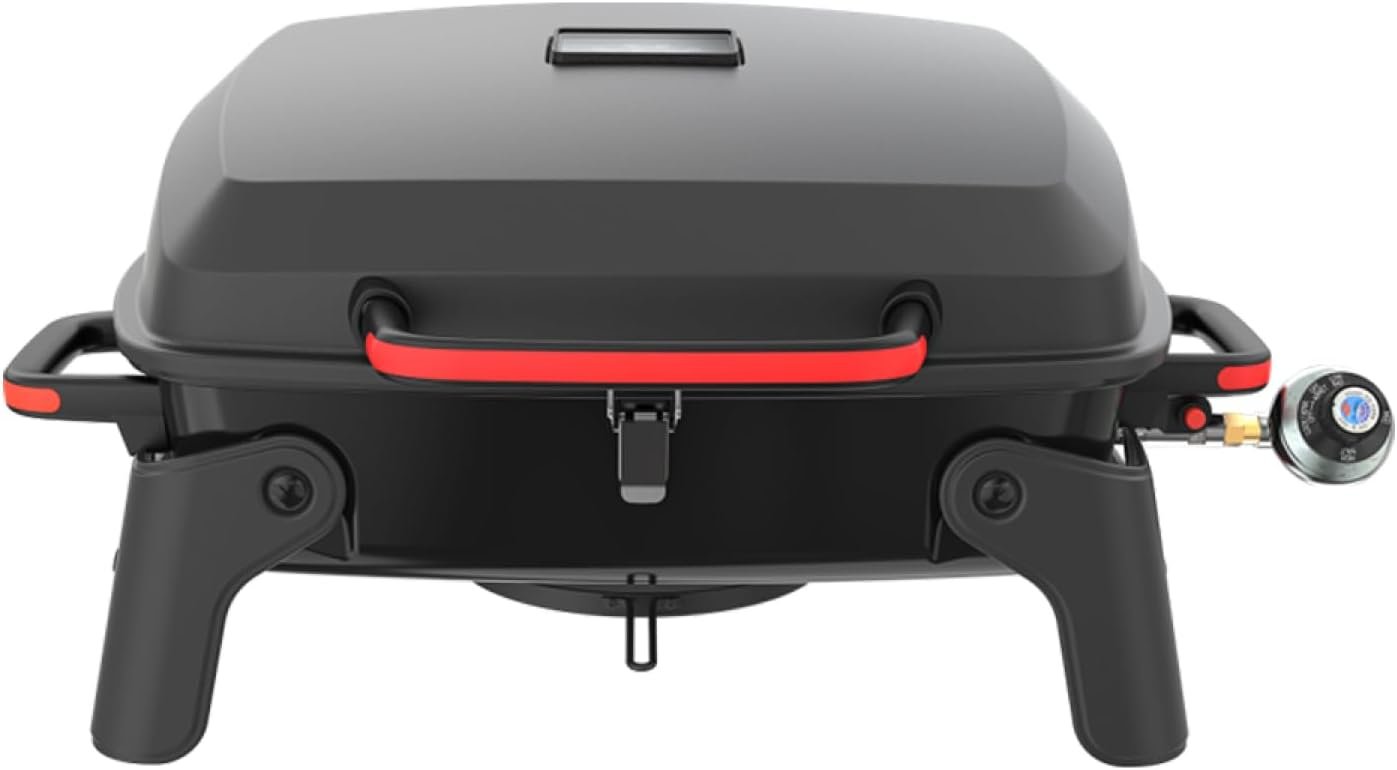
Selecting a compact grill balances cooking goals, fuel preferences, and practical constraints. Small outdoor cooks, tailgaters, and campers often prioritize rapid heat-up, direct-heat performance, and manageable maintenance over multi-zone precision. A one-burner propane tabletop grill like the Megamaster 820-0065C targets users who need a lightweight, transportable unit with straightforward controls and a focus on grilling rather than low-and-slow smoking. Performance expectations should align with a single stainless steel burner rated at 11,000 BTU and a 360 square inch cooking surface: these specifications favor searing, quick direct grilling, and cooking for small groups. Durability, ease of cleaning, and stable fuel connections are also decision drivers for outdoor use. Airflow, heat retention from a porcelain-enameled firebox, and the presence of a lockable lid and thermometer affect control and portability, while the single-burner configuration influences how food is arranged for even cooking across the grate.
Quick Overview
| Feature | Details |
|---|---|
| Grill type | Portable tabletop gas grill (single-burner) |
| Fuel type | Liquid propane (compatible with small propane tanks) |
| Total cooking area | 360 square inches |
| Heating power | 11,000 BTU (single stainless steel burner) |
| Temperature range | Not specified by manufacturer; suitable for direct-heat grilling and high-heat searing given burner output |
| Materials & construction | Painted alloy steel frame, porcelain-enameled firebox, stainless steel burner and handle |
| Control system | Manual single-burner control (one power setting knob) |
| Best suited cooking styles | Direct grilling, searing, quick cooking; limited suitability for extended smoking |
| Intended use cases | Camping, tailgating, patios, small outdoor gatherings, portable grilling needs |
| Warranty | 5 year manufacturer warranty |
The table consolidates core specifications into practical buyer information. The single 11,000 BTU stainless steel burner and 360 square inches of cooking area align the grill with direct-heat tasks—searing, burgers, vegetables, and other quick-cook items—while the porcelain-enameled firebox and locking lid support heat retention and transport stability for outdoor activities.

Fuel Type & Cooking Style Suitability
The Megamaster 820-0065C is designed around liquid propane as its sole fuel source, which shapes both cooking style and operational behavior. Propane delivers consistent, immediate heat and is well suited to direct-heat grilling and searing because flame intensity can rapidly raise surface temperatures. The single stainless steel burner provides 11,000 BTU total output, which is adequate for high-heat sear zones but limits multi-zone cooking and extended low-temperature smoking where sustained low heat and smoke control are required. Users seeking to do occasional short smoking runs could adapt with indirect methods and smoke boxes, but the unit’s primary strength remains direct grilling. Propane’s clean burning and quick start/stop cycle favor convenience and responsiveness at campsites and tailgates compared with charcoal or pellet systems.

How propane fuel affects heat control and cooking styles
Propane enables near-instant flame adjustment and steady heat delivery from a single stainless steel burner, translating into predictable direct-heat grilling and quick temperature recovery after lid opening. Because this model lists a single burner control and one heating element, it does not provide separate zones for indirect cooking or low-and-slow smoking; airflow and lid closure are the main variables available to modulate internal temperature. For cooks prioritizing fast searing, flank steaks, burgers, or vegetables, propane is efficient and fuel changes are straightforward using small portable tanks. Those seeking long smoke sessions or multi-zone setups should compare alternative fuels and multi-burner models.
Compatibility with alternative smoking or indirect techniques
While the 820-0065C is not a dedicated smoker, indirect cooking and short smoking can be achieved through heat management techniques: placing food to the side of the burner, using a small smoker box or soaked wood chips placed near the heat source, and minimizing lid openings to retain heat and smoke. The porcelain-enameled firebox helps preserve internal heat, improving the potential for semi-indirect cooking, but the single-burner layout constrains consistent low-temperature performance. For sustained low-temperature smoking, dedicated offset smokers, pellet grills, or multi-burner gas units provide better airflow control, larger smoke capacity, and finer-grained temperature management.
Temperature Control, Heat Output & Distribution
The 11,000 BTU stainless steel burner establishes the unit’s maximum heating capability and rapid heat-up characteristics, but the single-burner configuration and manual control produce a narrower range of temperature zoning than multi-burner grills. Temperature precision relies on the single control knob and lid position combined with the porcelain-enameled firebox to retain heat. Heat distribution across a 360 square inch grate will typically show a central hot zone above the burner and cooler peripheral zones; effective placement of food and occasional use of flame-spreading materials or heat deflectors can mitigate hotspots. The built-in lid thermometer provides an approximate internal reading, useful for monitoring trends rather than exact probe-level precision. For cooks who require tight temperature stability for delicate tasks, additional probe thermometers and airflow adjustments are recommended.

Interpreting the 11,000 BTU rating for performance
An 11,000 BTU single-burner output delivers sufficient energy for rapid surface searing and maintaining high grill-top temperatures for direct grilling. BTU ratings indicate fuel energy potential, but actual cooking temperatures depend on enclosure design, ventilation, and ambient conditions. The porcelain-enameled firebox aids thermal retention, making the most of the burner output, while the painted alloy steel exterior provides a lightweight structure. In practice, expect strong core heat for short sears and quick cooks; extended high-temperature runs may require attention to fuel supply and lid management to maintain consistent internal temperatures across the cooking surface.
Managing heat distribution and airflow for more even cooking
Heat distribution on a single-burner tabletop grill can be improved by arranging food strategically—placing thicker cuts toward the center and using edge areas for lower-heat finishes—along with preheating the unit with the lid closed to stabilize internal temperature. The locking lid and porcelain-enameled firebox help limit convective heat loss, and controlled venting (minimizing unnecessary openings) preserves heat. For cooks wanting more uniform temperature across the grate, temporary heat diffusers or a thin layer of lava rock placed between the burner and grate can reduce direct flame hotspots, though any modification should respect manufacturer guidance and safe clearances for burners.
Portability, Setup & On-the-Go Use
Portability is a core design goal for the 820-0065C: foldable legs, a locking lid, a compact footprint, and a weight of approximately 14.42 pounds make transport and storage manageable for tailgating, camping, and small outdoor gatherings. The locking lid secures the grill for travel, while foldable legs reduce packed dimensions. Setup is minimal with a single propane connection designed for small tanks and basic assembly required out of the box. The compact painted finish and stainless steel handle contribute to a lighter unit, but exposed painted steel surfaces will require care to avoid abrasion during transit. Users should plan for stable placement, adequate ventilation when operating, and secure fuel attachment to prevent leaks or instability on uneven surfaces.

How the design supports field use and transport considerations
The combination of a locking lid and foldable legs facilitates compact storage and reduces shifting during transport; these features are especially valuable for vehicle-based activities. The 14.42-pound mass balances portability with enough ballast to remain stable on level ground, but wind and uneven terrain common at campsites may necessitate additional bracing or a sheltered setup. The grill’s manual control and single-burner simplicity reduce setup steps compared with larger multi-burner units. For frequent mobile users, protective covers or padded cases help preserve painted finishes and the porcelain-enameled firebox surface during repeated loading and unloading.
Fuel logistics and recommended usage in field scenarios
Compatibility with small liquid propane tanks makes the grill convenient for short outings where exchanging or refilling portable cylinders is straightforward. Propane’s energy density and predictable pressure characteristics mean reliable flame behavior across varied environments, but cold temperatures and high altitude can influence burn characteristics and pressure, potentially affecting maximum achievable temperatures. Users should carry spare tanks for extended trips, follow the manufacturer’s fuel-connection guidance, and place the grill on stable, non-flammable surfaces away from overhanging branches or enclosed spaces.
Cooking Capacity, Surface Area & Versatility
The 360 square inches of cooking surface is generous for a single-burner tabletop grill, with manufacturer statements noting the ability to cook multiple burgers or a mix of proteins and vegetables simultaneously. Cooking capacity supports small group needs and communal outdoor events, but spatial constraints and single-zone heat mean simultaneous multi-item cooking requires attention to placement to avoid overloading hot zones. The rectangular grate shape and direct-heat system favor batch grilling and searing, while removable grease tray design simplifies handling of drippings and reduces flare-up management. Versatility is enhanced by the ability to use indirect techniques in a limited fashion, but the grill remains optimized for quick direct grilling tasks rather than elaborate multi-dish menus that need separate temperature zones.

Practical layout strategies for maximizing usable surface
To get consistent results across the 360 square inches, employ a staging strategy: preheat the grill with the lid closed to establish a stable hot zone, reserve the central area for thick cuts that need direct searing, and use outer sections for finishing or lower-heat items. Using a two-tier cooking approach—if a warming rack or raised grill accessory is available—can expand the effective capacity for keeping finished items warm. The single-burner format favors batch cooking cycles where food is seared then rested while the next batch is prepared. For communal use, staggering cook times and coordinating portion sizes helps leverage the available surface without crowding.
Suitability for mixed menus and multi-course outdoor cooking
This grill handles straightforward mixed menus—burgers, sausages, kebabs, and vegetables—effectively due to rapid heat-up and a sizable grate area for its class. Complex menus requiring simultaneous low-temperature smoking, indirect slow-roasting, or multiple distinct temperature zones are less suited to this design. However, with accessory usage (smoker boxes, heat deflectors) and careful staging, the unit can support a wider range of dishes for small gatherings. Buyers prioritizing broad culinary versatility and precise multi-zone control should compare multi-burner gas grills or pellet systems.
Durability, Maintenance & Expected Lifespan
Materials and componentry drive longevity: the 820-0065C uses a stainless steel burner, porcelain-enameled firebox, painted alloy steel frame, and a stainless steel handle. These materials balance weight with corrosion resistance where it matters most—the burner and areas exposed to high heat. Regular maintenance—removing the grease tray, cleaning the grate, and preventing buildup on the porcelain surface—preserves heat performance and reduces flare-ups. The painted exterior finish provides aesthetic protection but is more susceptible to chipping than fully powder-coated or stainless finishes; protective storage and careful transport help avoid surface wear. The manufacturer-backed five-year warranty indicates confidence in core components, but expected lifespan in outdoor-use scenarios will vary with frequency of use, exposure to elements, and maintenance practices.

Routine maintenance tasks and cleaning considerations
Cleaning is simplified by the removable grease tray and a straightforward single-burner layout that reduces assembly complexity. After cooling, the grate and grease tray should be emptied and brushed to avoid carbon buildup; the porcelain-enameled firebox benefits from gentle cleaning to avoid scratching the enamel surface. Periodic burner inspection ensures the stainless steel burner ports remain clear; blocked ports can affect flame quality and heat distribution. Painted surfaces should be kept clean and dry to delay corrosion, and storage in a dry, covered location minimizes weather-related degradation. These maintenance practices directly affect performance and component longevity.
Durability trade-offs based on construction and intended use
The constructed combination of alloy steel and painted finishes keeps the unit lightweight and portable at the cost of some long-term exposure resistance compared with heavier stainless steel-only units. The stainless steel burner and porcelain-enameled firebox are positive durability indicators for heat-facing components, but repeated outdoor exposure without protective measures can accelerate wear on painted surfaces and hardware. For occasional use, the unit should remain robust; for daily or coastal use with high humidity and salt exposure, buyers may prefer more corrosion-resistant materials or dedicated storage and cover solutions to preserve lifespan.
Pros & Cons
Pros
- Portable and compact design with locking lid and foldable legs: The locking lid secures components for transport and the foldable legs reduce packed size for tailgating or camping, supporting easy storage without sacrificing basic stability during use.
- Generous 360 square inches of cooking surface: This area accommodates multiple burgers or a mix of proteins and vegetables simultaneously, making the grill useful for small gatherings and quick batch cooking.
- 11,000 BTU stainless steel burner for fast heat-up: The single high-power burner brings the cooking surface to searing temperatures quickly, which is valuable for time-sensitive outdoor cooking and quick searing tasks.
- Porcelain-enameled firebox aids heat retention: The enamel finish helps preserve internal heat and resists direct flame corrosion, improving fuel efficiency and consistent cooking when the lid is closed.
- Removable grease tray simplifies cleaning: A dedicated grease management tray collects drippings and reduces flare-up risk, making post-cook cleanup more manageable.
- Lightweight construction with stainless components where it matters: The 14.42-pound weight and stainless steel burner and handle strike a balance between portability and resistance to heat-related wear.
- Five-year warranty from the manufacturer: The multi-year warranty coverage provides a measure of component protection and aligns with expected durability for core parts.
Cons
- Single-burner, single-zone design limits multi-zone cooking: Lack of multiple burners restricts indirect cooking and precise temperature zoning, reducing suitability for prolonged low-and-slow smoking or simultaneous multi-temp menus.
- Painted alloy exterior less durable than full stainless options: The painted finish is lighter but more susceptible to chipping and weathering than powder-coated or stainless steel exteriors, increasing the need for protective storage.
- Temperature range not manufacturer-specified and thermometer provides approximate readings: Without a specified operating range and with a built-in analog thermometer, precise temperature control for delicate tasks may require supplemental probe thermometers.
- Potential for uneven heat distribution across the 360 sq in grate: Single-burner configurations typically create a central hot zone and cooler periphery; careful food placement or heat diffusers may be required for even results.
Final Verdict: Who This Grill or Smoker Is Best For (and Who Should Skip It)
The Megamaster 820-0065C is a well-defined choice for buyers prioritizing portability, rapid direct-heat performance, and straightforward outdoor operation. Its single 11,000 BTU stainless steel burner and 360 square inches of cooking surface make it ideal for tailgaters, campers, and small-host outdoor cooks who value fast heat-up, searing capacity, and simple maintenance. The locking lid, foldable legs, and removable grease tray support on-the-go lifestyles where compact storage and quick breakdown are important. The porcelain-enameled firebox and stainless components at heat-facing points indicate solid short-term thermal resilience when cared for properly.
This unit should be skipped by cooks requiring multi-zone temperature control, precise low-temperature smoking, or heavy-duty everyday use in corrosive environments. Those seeking extensive smoking capability, exact temperature stability for sous-vide-to-grill finishing, or larger multi-course catering should compare multi-burner gas grills, pellet smokers, or dedicated offset smokers. For its class in 2026, the 820-0065C offers a practical balance of portability and grilling power suited to small-group direct-heat outdoor cooking when matched to the correct user profile.
Frequently Asked Questions (FAQs)
Can the Megamaster 820-0065C be used for low-and-slow smoking?
The 820-0065C is primarily a direct-heat propane grill with a single 11,000 BTU burner and is not designed as a dedicated smoker. Short, low-temperature smoking runs can be attempted using an indirect placement of food, a small smoker box, and controlled lid closures, but sustained low-and-slow smoking is better suited to dedicated smokers, pellet grills, or multi-burner gas units with finer temperature control.
How even is the heat across the 360 square inch cooking surface?
Heat distribution tends to concentrate above the single stainless steel burner, creating a central hot zone with cooler edges. The porcelain-enameled firebox aids heat retention, but achieving more even temperatures across the surface typically requires food staging, rotating items, or using heat-diffusing accessories to minimize direct hotspots.
What maintenance is required to keep the grill in good condition?
Routine tasks include emptying and cleaning the removable grease tray, brushing the cooking grate after use, inspecting and clearing burner ports periodically, and storing the grill under cover to protect the painted exterior. Gentle cleaning of the porcelain-enameled firebox helps preserve enamel integrity and thermal performance over time.
Is the built-in thermometer accurate enough for precise temperature control?
The built-in lid thermometer provides a useful trend indicator for internal temperature but is not a substitute for probe thermometers when precise target temperatures are required. For tasks needing exact control—such as smoking or cooking to a specific internal doneness—using a separate probe thermometer is recommended.
What makes this grill a good choice for camping and tailgating?
Portability features—foldable legs, a locking lid, and a compact 14.42-pound form—make the unit easy to transport and store. Its propane fuel compatibility with small tanks, single-knob control, and rapid heat-up from an 11,000 BTU stainless steel burner provide the convenience and responsiveness valued in mobile outdoor scenarios.
How durable are the materials for regular outdoor use?
Durability is centered on a stainless steel burner and a porcelain-enameled firebox that resist heat-related wear, while the painted alloy steel exterior reduces weight but is more susceptible to cosmetic wear and chipping than full stainless or powder-coated finishes. Regular maintenance and protective storage extend service life, especially in harsh weather or coastal conditions.
Can accessories improve the grill’s versatility?
Accessories such as small smoker boxes, heat diffusers, probe thermometers, and protective covers can expand the grill’s capabilities, enabling limited indirect cooking, improved temperature monitoring, and better preservation of the exterior finish. Any accessory usage should adhere to safety clearances and the manufacturer’s guidance.