

Choosing the right grill or smoker for backyard cooking
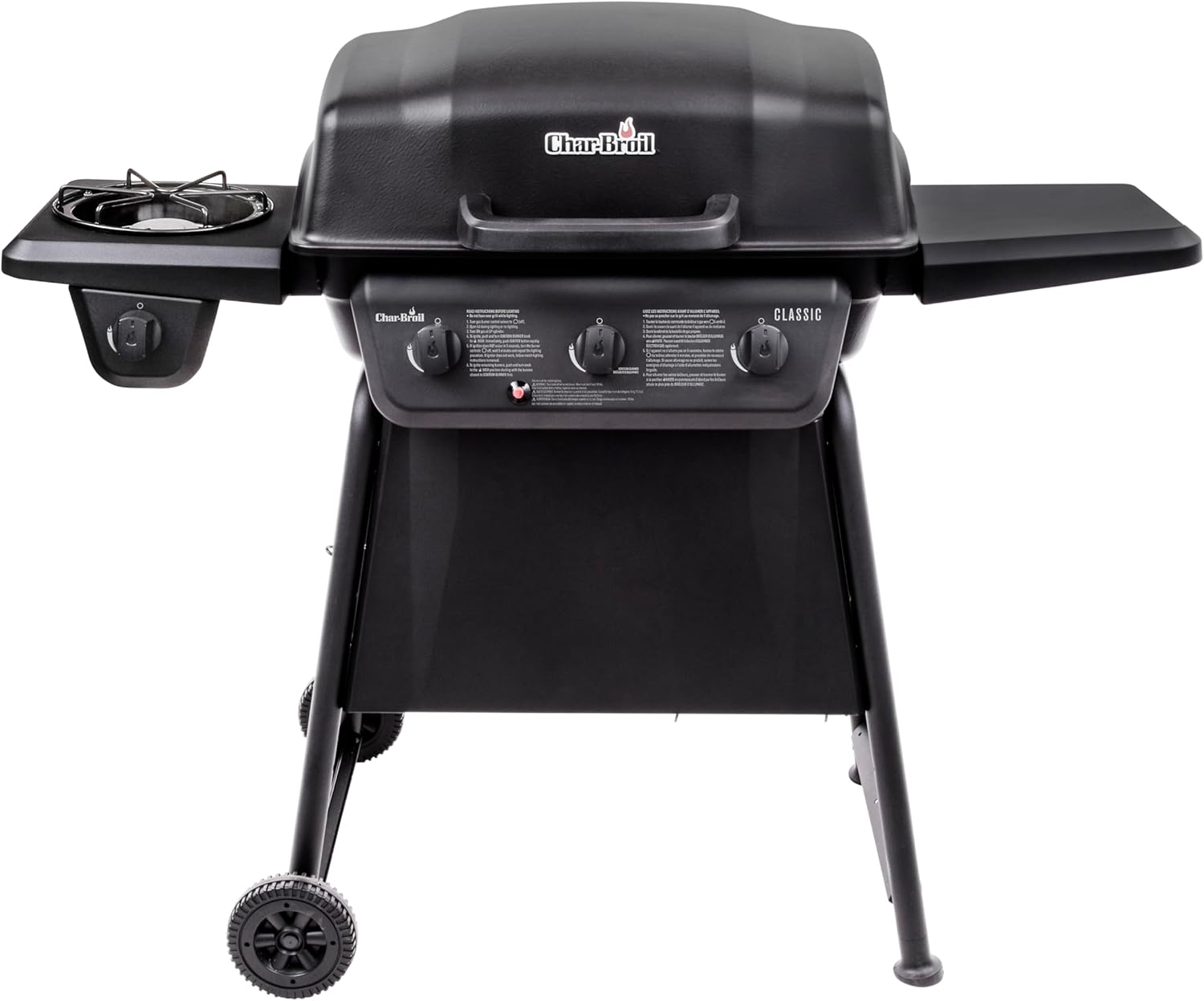
Selecting a grill or smoker shapes how outdoor meals are prepared, what foods are practical, and how much time maintenance requires. For buyers prioritizing convenience, consistent high heat, and quick start-up, a propane gas grill often fits daily use better than charcoal or pellet systems. The Char-Broil Classic Series 3-Burner with Side Burner is positioned toward small households and casual entertainers who value rapid heat-up, straightforward temperature changes, and moderate cooking capacity. Key considerations for this profile include the fuel type’s responsiveness, total cooking surface and warming area, burner BTU output versus real-world heat distribution, and the materials and finish that determine corrosion resistance and maintenance frequency. Understanding the grill’s temperature control range, the nature of its porcelain-coated grates, and the implications of a side burner for sauces and side dishes will help match expectations with performance and lifespan without implying hands-on evaluation.
Quick Overview
| Feature | Details |
|---|---|
| Grill type | Freestanding propane gas grill, 3 main burners with side burner |
| Fuel type | Liquid propane (20-pound tank, not included) |
| Total primary cooking area | 360 square inches |
| Warming rack area | 170 square inches |
| Main burner count & BTU | 3 main burners; combined 30,000 BTU; side burner 8,000 BTU |
| Temperature control | Manual rotary control knobs; no digital thermostat |
| Grates and cooking surface | Porcelain-coated wire grates with warming rack |
| Materials & construction | Painted finish, stainless-steel frame/handle components noted in specs |
| Weight & dimensions | Approximately 50 pounds; 24.1″D x 51.2″W x 43.5″H |
| Best suited cooking styles | Direct grilling, weeknight grilling, searing, basic indirect cooking |
| Intended use cases | Casual backyard grilling for families or small gatherings |
| Warranty | 5-year burners, 2-year firebox, 1-year on other parts |
This summary condenses manufacturer specifications into practical terms: the Char-Broil Classic 3-Burner targets consumers who want a responsive propane grill for direct and occasional indirect cooking, with a mid-size footprint and a modest warming rack for staging food. Materials and control simplicity favor straightforward operation but suggest checking long-term corrosion resistance and replacement-part availability for sustained use.

Cooking style suitability: grilling versus smoking versus combination use
The Classic 3-Burner’s specification profile indicates strong alignment with direct grilling and high-heat searing rather than dedicated low-and-slow smoking; propane delivers rapid, controllable heat that excels for burgers, steaks, chops, and vegetables. With three burners and 30,000 BTU total, the grill supports multi-zone cooking when burners are adjusted independently, enabling basic indirect grilling for roasts or whole chickens. However, the design lacks the large insulated chamber and low-fire control features of purpose-built smokers or ceramic kamados, making prolonged low-temperature smoking less precise. The warming rack can assist with indirect heat staging, but achieving stable 225–275°F smoking conditions requires burner modulation, additional water pans, or external smoke boxes and will not match the temperature stability of pellet or charcoal smokers.

Grilling performance and direct-heat capability
Manufacturer specs show 30,000 combined BTU across three burners and porcelain-coated wire grates, which support quick heat-up and recovery for direct grilling. Propane’s high energy density and direct burner placement enable rapid surface temperatures suitable for searing and short cook times. Porcelain-coated wire grates transfer heat efficiently but have lower heat retention than cast-iron; this means sear lines form readily but surface temperature can drop when large quantities of cold food are placed on the grates. The burner layout and total BTU suggest sufficient capability for everyday grilling tasks and multi-item cooks typical for families of four.
Smoking potential and low-and-slow considerations
Low-temperature smoking relies on precise airflow, steady low heat, and smoke source control; a three-burner propane grill can approximate this by using indirect setups and small smoker boxes, but the result depends on how finely the knobs allow modulation and on how well the lid seals. Painted finishes and a lighter-weight firebox will lose heat faster than insulated smoker designs, complicating long smokes. For intermittent smoking or adding smoke to proteins for an hour or two, the Classic Series can be adapted; for multi-hour, low-temperature barbecue where smoke flavor depth and temperature stability are priorities, a dedicated smoker or pellet grill will deliver more predictable results.
Fuel type impact and temperature control precision
Propane as a fuel provides rapid ignition, fast heat-up, and responsive control through manual valve adjustments, which suits cooks who prioritize timing and convenience. The Char-Broil Classic’s manual rotary knobs allow straightforward burner-by-burner adjustments to create direct and indirect zones, but absence of a digital PID controller means precision holds within the limits of manual input and the grill’s thermal mass. The listed heating power of 8.79 kilowatts (about 30,000 BTU) delivers strong top-end output for searing, yet fine-grain control at low setpoints requires careful knob management and patching techniques like using the warming rack or a water pan to stabilize temperatures. Fuel efficiency will vary with cook method: high-heat searing uses more propane per minute than extended indirect cooks run at low flame settings.

Propane heat output and responsiveness
The 30,000 BTU main-burner rating plus an 8,000 BTU side burner indicates capacity for both fast high-heat cooking and stovetop-style side tasks. Propane’s immediate flame response allows quick temperature increases and reductions, beneficial when finishing steaks or adjusting for flare-ups. Because the firebox and lid are painted rather than heavily insulated stainless construction, the grill’s thermal inertia is lower, so temperature changes respond quickly but are also more subject to ambient conditions and lid openings. For routine grilling, this responsiveness supports efficient cooks, while long, steady low-temp sessions may require more frequent adjustments and fuel management.
Temperature control precision and user implications
Without integrated temperature probes or digital control, temperature feedback relies on an optional built-in dome thermometer (if present on the model) and user observation. Manual knobs permit approximate zone creation, but maintaining a precise 10–15 degree band for long periods is challenging compared with grills using thermostatic controls. Users who need repeatable low-temperature holds for smoking or precision roasting should plan on adding an external probe thermometer. For typical grilling tasks—searing steaks, grilling burgers, or cooking chicken breasts—manual control is adequate and consistent with the propane fuel profile.
Heat distribution, airflow management, and burner design
Heat distribution is governed by burner spacing, the shape of heat tents or flavorizer bars (if present), and obstructions within the firebox. The Classic Series’s three-burner configuration provides multiple heat zones when burners are controlled independently, but porcelain-coated wire grates and a painted firebox suggest less radiant heat retention than heavier stainless or cast-iron designs. Airflow is primarily passive via lid seams and lower gas-valve-fed combustion; without dedicated adjustable vents, fine airflow tuning is limited. These characteristics mean heat gradients across the cooking surface are likely, and managing hot and cooler zones will depend on burner modulation and strategic food placement rather than built-in baffling or insulation.

Burner layout and expected heat zones
A three-burner layout typically produces three primary heat bands aligned with burner positions, allowing the creation of direct- and indirect-heat zones by turning burners on or off. This model’s combined 30,000 BTU output supports strong center or rear searing, but users should anticipate noticeable temperature differentials across the 360-square-inch primary cooking area, especially near the edges. The warming rack adds indirect staging space above the main grates, useful for finishing items away from direct flame. When cooking varied items simultaneously, rotating pans or changing grate positions will help manage uneven heat distribution inherent in the design.
Airflow, convective behavior, and implications for smoking
Air movement through the grill happens primarily through the lid and bottom seams and is influenced by the lid’s fit and overall firebox mass. Painted finishes and a lighter construction reduce the grill’s ability to trap convective heat compared with insulated smokers, so convective circulation will be less stable during long, low-temp cooks. For short, moderate indirect cooks, the convective flow is sufficient to evenly cook medium-sized proteins, but for temperature-critical smoking applications, expect increased variability and a greater need for active monitoring and supplemental smoke sources.
Cooking capacity, grates, and workspace ergonomics
A primary cooking area of 360 square inches and an additional 170-square-inch warming rack define the Char-Broil Classic as a mid-sized grill suitable for meals for a family of four or small gatherings. Porcelain-coated wire grates are specified for faster warm-up and recovery, and their lighter weight makes removal and replacement easier, which can be a maintenance benefit. The included side shelf and an 8,000 BTU side burner expand workspace functionality, allowing simultaneous sauce finishing, pan sautés, or boiling tasks, which improves meal flow when grilling multiple components. However, the total footprint and single main cabinet suggest limited storage and accessory integration compared with full-size carts with enclosed storage.

Primary cooking area layout and practical capacity
The 360-square-inch primary cooking area accommodates roughly a dozen standard burgers or a mix of steaks and vegetables for family meals. The 170-square-inch warming rack allows indirect cooking for smaller roasts or holding finished items. For hosts who regularly cook for larger groups, the limited primary area may necessitate staggered cooks or use of the warming rack and side burner to extend capacity. The porcelain-coated grates favor quick recovery between batches, enabling a practical workflow for back-to-back grilling sessions during weekend gatherings.
Side burner utility and accessory compatibility
The built-in 8,000 BTU side burner expands the grill’s functional range by enabling pan-based side dishes, sauces, or boiling tasks without moving indoors. The Gear Trax compatibility with side shelf and side burner accessories (sold separately) allows modular additions like condiment baskets, cup holders, and tool hooks to improve organization. These features increase convenience for cooks who value an integrated prep zone, although the side shelf’s carrying capacity and accessory range are limited compared with multi-shelf professional carts.
Durability, maintenance, and expected lifespan
Materials and finish choices drive long-term durability and maintenance needs. Manufacturer specifications list stainless-steel components alongside a painted finish and porcelain-coated wire grates, indicating a blend of corrosion-resistant and cost-conscious materials. The lighter overall weight and painted surfaces suggest the firebox and lid may be more susceptible to finish wear and surface rust over extended outdoor exposure than heavier-gauge stainless-steel or powder-coated alternatives. The warranty structure—five years on burners, two years on the firebox, one year on other parts—aligns with mid-tier market positioning and offers insight into expected part lifecycles, while replacement-part availability and community repair patterns influence practical longevity.
Materials, construction quality, and warranty implications
Stainless-steel handles and frame elements improve corrosion resistance in frequently touched areas, while porcelain-coated grates resist food sticking and are economical to replace. The painted finish reduces manufacturing cost but typically requires proactive weather protection to avoid surface oxidation. The multi-year burner warranty indicates manufacturer confidence in core combustion components, but shorter coverage for other parts suggests consumers should anticipate routine maintenance for cosmetic and non-burner elements. Regular inspection of gas fittings, burner ports, and the regulator will be important for maintaining safe operation and consistent heat performance over time.
Cleaning routines, replacement parts, and common maintenance themes
Porcelain-coated wire grates are easier to clean than bare steel but still require periodic scrubbing to remove carbon build-up; their replaceability is a maintenance advantage. Aggregated customer feedback often highlights assembly time, occasional ignition and regulator issues, and paint chipping as recurring themes for similar mid-priced grills, making small repairs and part replacements a realistic expectation. Accessible user manuals and manufacturer-part numbers aid sourcing replacement components. Routine cleaning of grease trays, internal flues, and burner ports will preserve burner efficiency and limit flare-ups, while covering the grill and storing it under shelter reduces accelerated wear on painted surfaces.

Pros & Cons
Pros
- Responsive propane fuel and rapid heat-up: The 30,000 BTU main-burner rating combined with liquid propane support enables quick attainment of cooking temperatures and fast recovery after adding food, which suits weeknight grilling and time-sensitive cooks. Porcelain-coated grates warm quickly and aid sear formation.
- Mid-size cooking capacity with warming rack: The 360-square-inch primary area plus 170-square-inch warming rack provides practical space for families and small gatherings, enabling concurrent direct and indirect cooking workflows without excessive footprint.
- Side burner increases versatility: The 8,000 BTU side burner allows sauce finishing, boiling, or pan-side cooking while main items grill, improving meal prep flow and keeping stovetop tasks outdoors.
- Simple, manual control system: Manual rotary knobs and independent burner control facilitate straightforward multi-zone cooking and quick adjustments during common grilling tasks without digital complexity.
- Gear Trax accessory compatibility: Side shelf and side burner support for Gear Trax accessories enables workspace customization for better organization and utility, expanding functionality through optional add-ons.
- Conservative warranty on core components: A five-year warranty on burners and two-year coverage on the firebox indicate manufacturer backing for critical combustion components, which may reduce replacement cost risk.
Cons
- Limited low-and-slow smoking precision: The painted firebox and lack of insulated mass limit stable low-temperature holds required for prolonged smoking, so users seeking consistent multi-hour smoke will find dedicated smokers or pellet grills more suitable.
- Painted finish and lighter construction may age faster: Painted surfaces and a lighter-weight firebox are more prone to finish degradation and potential surface rust compared with heavier-gauge stainless-steel grills, increasing maintenance and potential part replacement over time.
- Porcelain-coated wire grates trade heat retention for recovery speed: While they warm quickly and are easy to handle, these grates do not retain heat as well as cast-iron, which affects sear depth and consistent recovery when cooking large batches.
- Basic temperature feedback and no digital control: Absence of integrated electronic temperature control or precise built-in probes means achieving and maintaining narrow temperature bands requires an external thermometer and active user adjustment.
- Assembly and occasional component complaints in reviews: Aggregated customer comments for similar models often cite assembly time and occasional ignition or hardware issues, implying a need for patience with build and potential part replacement.
Final Verdict: Who This Grill or Smoker Is Best For (and Who Should Skip It)
The Char-Broil Classic Series 3-Burner with Side Burner is best for buyers seeking a straightforward, mid-sized propane grill that emphasizes quick heat-up, manual zone control, and practical cooking space for family meals and casual entertaining. Its 30,000 BTU main output and 8,000 BTU side burner support high-heat searing and convenient side-dish preparation, while the porcelain-coated grates and warming rack provide usable versatility for everyday grilling needs. Buyers who value low-maintenance, responsive cooking and the ability to expand workspace with Gear Trax accessories will find the Classic aligned with those priorities.
This model is less appropriate for users whose primary focus is multi-hour, low-temperature smoking, precise temperature-controlled roasting, or long-term minimal-maintenance outdoor installations without shelter. Those seeking the highest corrosion resistance, heavier thermal mass for stable temperature retention, or integrated digital control systems should consider higher-tier stainless-steel or pellet grill alternatives available in 2026. For budget-conscious buyers who accept periodic maintenance and parts replacement, the Char-Broil Classic delivers cost-effective performance for common backyard grilling tasks.

Frequently Asked Questions (FAQs)
Can the Char-Broil Classic 3-Burner be used for low-and-slow smoking?
The Classic 3-Burner can approximate low-and-slow smoking by creating indirect heat zones and using water pans or a smoker box, but its painted firebox and lighter construction limit long-term temperature stability. For multi-hour smoking at steady low temperatures, dedicated smokers or pellet grills with greater insulation and controlled airflow provide more predictable results.
How much food will the 360-square-inch cooking area accommodate?
A 360-square-inch primary cooking area typically handles about a dozen standard burgers or a combination of several steaks and vegetables, suitable for a family of four or small gatherings. The 170-square-inch warming rack expands usable staging space for finished items or indirect-cooked pieces during multi-item cooks.
Is the side burner powerful enough for pan-based side dishes?
The integrated 8,000 BTU side burner provides adequate output for boiling water, sautéing vegetables, or finishing sauces outdoors. It offers convenient stovetop-style capability during grilling sessions, reducing the need to move back and forth to an indoor range for complementary side dishes.
What maintenance is required to keep this grill in good condition?
Routine maintenance includes cleaning the porcelain-coated grates to remove carbon build-up, emptying and wiping the grease tray, brushing burner ports to prevent clogging, and protecting painted surfaces with appropriate covers or sheltered storage. Periodic inspection of gas connections and regulator function will help maintain consistent performance.
How precise is temperature control on a manual three-knob propane grill?
Manual rotary knobs offer reliable, responsive control for general grilling and multi-zone setups, but they lack the fine precision and automated adjustments of digital or thermostatic systems. For cooks requiring steady holds within a narrow temperature band, adding an external probe thermometer and practicing burner modulation are recommended.
Are the porcelain-coated grates a benefit or a drawback?
Porcelain-coated grates heat quickly and resist food sticking, simplifying cleanup and making them lighter to remove for maintenance. They do not retain heat as long as cast-iron grates, which can affect sear depth and recovery when cooking large batches, so the choice reflects a trade-off between convenience and thermal mass.
What does the warranty cover on this grill?
The manufacturer warranty specifies five years for the burners, two years for the firebox, and one year for other parts. This structure indicates extended coverage for core combustion components while requiring attention to cosmetic and non-burner elements that have shorter warranty periods.