
Why Grill Selection Matters for Backyard Cooks
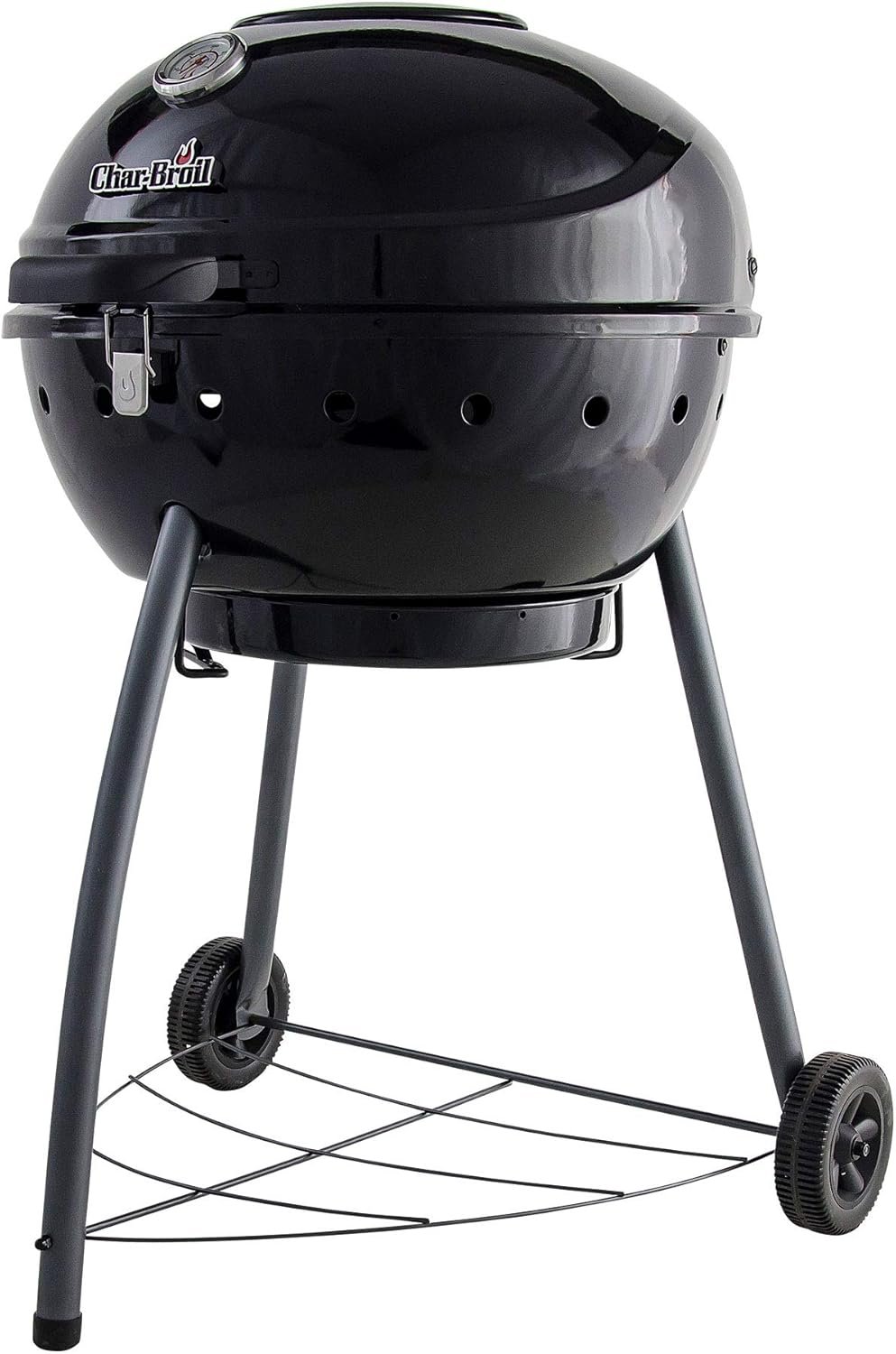
Selecting a grill shapes the cooking techniques, fuel decisions, and maintenance routines that determine outdoor-cooking results. For cooks who prefer lump charcoal or briquettes, a kettle-style unit with focused charcoal placement and a reliable air-control system supports both direct searing and indirect roasting. Heat transfer method and grate materials influence sear quality, flare-up control, and how much smoke flavor returns to food. Equally important are practical considerations: cooking capacity for typical meal sizes, portability for seasonal storage, and ash management for routine cleanup. The Charbroil Kettleman TRU-Infrared Charcoal Grill is positioned as a compact kettle offering infrared heat transfer, hinged access, and a removable ash tray. Evaluating this model requires attention to how TRU-Infrared alters drip vaporization and flare-ups, how manual dampers shape temperature precision, and whether the 360 square inches of cooking surface fits the expected household or social-cooking demands.
Quick Overview
| Feature | Details |
|---|---|
| Grill type | Kettle-style charcoal grill with hinged lid |
| Fuel type | Charcoal (lump charcoal or briquettes; sold separately) |
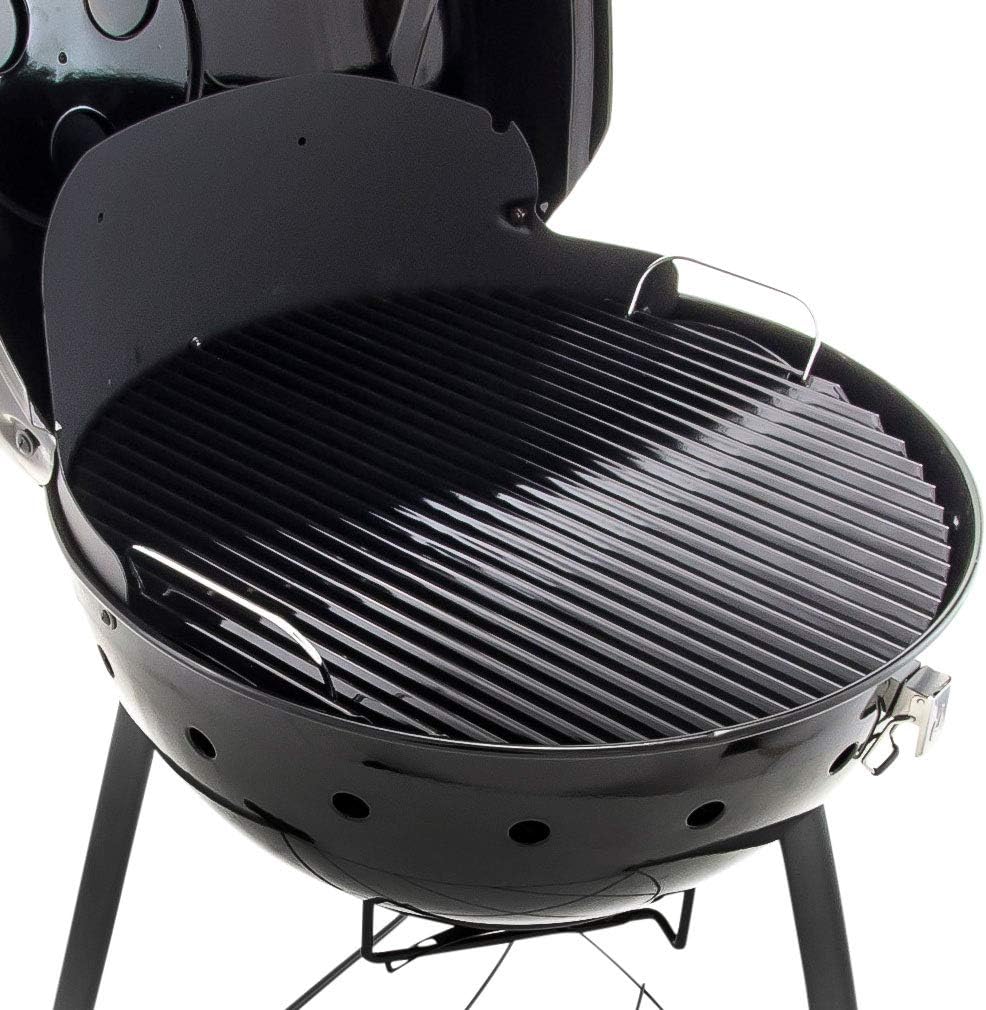
| Total cooking area | 360 square inches (single main grate) |
| Heat transfer system | TRU-Infrared cooking system (infrared heat transfer from charcoal surface) |
| Temperature indication | Lid-mounted analog temperature gauge |
| Construction and materials | Painted metal body; porcelain-coated steel cooking grates; alloy steel handle |
| Control system | Manual adjustable air vent dampers; removable ash tray for fuel handling |
| Best suited cooking styles | Direct grilling, searing, indirect grilling, light smoking |
| Intended use cases | Portable backyard cookouts, small families, occasional enterprising grillers |
| Warranty | Manufacturer warranty not specified in product disclosures |
The table summarizes objective features that determine real-world suitability: charcoal fuel and manual venting provide flexible high-heat searing and indirect cooking, TRU‑Infrared aims to reduce flare-ups and promote even heat transfer, and a 360-square-inch grate supports mid-size meal prep. Portability and the removable ash tray simplify setup and cleanup, while the lack of an advanced electronic control system keeps operation manual and reliant on charcoal handling skills.

Cooking style suitability
The Kettleman targets cooks who prioritize charcoal flavor with straightforward control rather than automated temperature management. The kettle geometry and single cooking grate make it efficient for direct high-heat searing of burgers, steaks, and vegetables, while the hinged lid and charcoal placement options enable indirect setups for larger cuts or slower cooks. TRU‑Infrared heat transfer modifies how drippings interact with the hot surface by vaporizing fats into flavor compounds rather than allowing large flare-ups, which can aid juiciness and reduce charring during higher-heat sears. The unit is best for small to medium gatherings where quick searing and moderate indirect cooks are the primary use cases rather than extended low-and-slow smoking sessions.

Direct grilling and searing performance
Direct grilling on a 360-square-inch porcelain-coated grate places protein and vegetables close to radiant heat, facilitating Maillard reaction-driven browning and pronounced grill marks when coals are banked beneath the food. Porcelain-coated steel retains and radiates heat, supporting consistent surface temperatures across the grate. When using lump charcoal or briquettes, evenly distributed fuel and focused air control through the bottom and top vents permit rapid temperature ramp-up. TRU‑Infrared’s design transfers heat from the hot surface layer, which moderates flare-ups from drips and can maintain a more stable searing zone compared with exposed-coal setups, aiding consistent char without repeated direct flame contact.
Indirect grilling and light roasting capability
The hinged lid and kettle design allow for indirect configurations by banking coals to one side or creating a ring around the perimeter, leaving a cooler zone for slower cooking. With the lid closed, the lid-mounted temperature gauge and manual dampers help manage convective heat and maintain moderate chamber temps for roasting chicken thighs or larger vegetables. Heat retention is aided by the closed kettle shape; however, temperature precision will depend on charcoal quality, quantity, and vent adjustments rather than electronic controls. Indirect cooks lasting a few hours are feasible if charcoal replenishment and venting are managed carefully to compensate for fuel burn rate.
Smoking potential and limitations
The Kettleman can support light smoking when operated with a two-zone setup and controlled airflow, but it is not a dedicated offset or pellet smoker optimized for long low-temperature smokes. Charcoal provides authentic smoke, and adding wood chunks can increase smoke intensity, but maintaining steady low temperatures for extended periods requires frequent fuel management and careful vent adjustments. For users seeking multi-hour barbecue-style smoking at precise low temps, a larger kettle with better insulation or a dedicated smoker with more advanced temperature control may offer improved ease and consistency.
Fuel type, temperature range, and control
Charcoal fuel defines the heat profile and smoke characteristics for this grill: lump charcoal ignites faster and can reach higher peak temps while briquettes provide longer, steadier heat. The Kettleman lacks a manufacturer-specified numeric temperature range; practical control is achieved via charcoal amount, placement, and manual venting through adjustable dampers, in combination with the lid-mounted analog gauge. The TRU‑Infrared surface influences how heat is presented to food by turning drippings into vaporized flavor but does not replace active fuel management. For cooks who prefer a tactile relationship with fuel and venting—adjusting oxygen flow to tune combustion—this grill delivers a conventional charcoal experience rather than automated set-and-forget regulation.

Charcoal choices and their impact on performance
Lump charcoal burns hotter and produces less ash, enabling faster searing and more immediate heat output, which benefits quick high-temperature cooks. Briquettes burn more predictably and sustain longer periods between refueling, supporting extended indirect cooks. Ash production affects airflow in the Kettleman; the removable ash tray simplifies ash removal, maintaining stable draft through the bottom vents. Fuel selection also influences flavor: lump charcoal and natural wood chunks produce more variable smoke notes, while briquettes provide a neutral, steady heat that emphasizes direct grilled flavors.
Temperature indication and control precision
The lid-mounted analog temperature gauge offers a quick reference to internal chamber temperature but does not provide the precision of probe-based digital controllers. Manual dampers are the primary tool for regulating oxygen intake and exhaust; small adjustments affect combustion rate and chamber temperature. Precision depends on operator skill and attention to fuel burn characteristics. For cooks seeking tight control within a few degrees for long cooks, investment in external digital thermometers and routine damper tweaks will improve outcomes compared with relying solely on the built-in gauge.
Airflow, venting, and ash management
Adjustable air vent dampers provide the mechanical method to throttle oxygen supply to the fire and evacuate smoke and heat. The Kettleman’s removable ash tray allows quick clearing of spent ash, preserving unobstructed airflow through the bottom inlet. Clean airflow supports steady combustion; clogged ash or restricted vents reduce oxygen flow and increase temperature variability. Regular ash removal and purposeful damper adjustments during different cooking phases—open vents for searing, partially closed for indirect cooks—are necessary to harness predictable temperature behavior from charcoal fuel.
Heat distribution and airflow management
The TRU‑Infrared cooking system differentiates this kettle by altering the path of heat and by managing drip vaporization; heat is transferred through a hot surface layer rather than solely by direct radiant flames. This approach reduces large flare-ups and aims to return vaporized drippings to the food as flavor compounds, affecting perceived juiciness. Kettle geometry helps concentrate heat and encourage convective circulation when the lid is closed, while the bottom and top dampers control the exchange rate of air. Evenness across a single grate depends on charcoal placement, grate material, and how consistently vents are adjusted to balance combustion and exhaust. For cooks prioritizing even heat and reduced flare-ups without electronic controls, this system emphasizes mechanical adjustments and fuel strategy.

TRU‑Infrared system: how vaporization changes flare-ups
TRU‑Infrared technology relies on a heated surface or barrier that vaporizes drippings before they reach open flames, creating flavorful vapors instead of direct grease flare-ups. Vaporization reduces destructive oxygen-fed flames that char and dry protein surfaces, while encouraging some return of flavorful compounds into the food. The system moderates peak flare-up events typical of open-coal setups and supports sustained radiant heat for consistent browning. This principle benefits cooks seeking lower flare-up risk during high-fat searing while maintaining the smoke-infused flavor profile associated with charcoal cooking.
Grate material, heat retention, and sear consistency
Porcelain-coated steel grates combine heat retention with rust resistance; the ceramic-like coating improves release and eases cleaning but can chip if scraped aggressively. Steel beneath the coating stores thermal energy and contributes to sear consistency when preheated thoroughly. Uniform contact between food and grate, paired with stable radiant heat from TRU‑Infrared, delivers repeatable sear patterns and predictable crust formation. Regular maintenance to preserve the porcelain coating and routine preheating will sustain these thermal characteristics over time.
Dual-zone capability and practical heat mapping
Although described as a dual-zone configuration, the Kettleman achieves this through charcoal arrangement rather than separate burners. Cooks can create a direct-sear zone and an adjacent indirect zone for finishing or resting by banking coals to one side or using a charcoal basket. Heat mapping across the grate will show higher radiative intensity above fuel and milder temps in the indirect area; the lid and vents help redistribute convective heat, reducing cold spots. Effective dual-zone cooking depends on fuel control and periodic damper adjustments rather than integrated physical separations.
Capacity, portability, and maintenance
The 360 square inches of cooking surface supports mid-size meal prep—roughly a dozen burgers or a mix of proteins and sides—making the grill suitable for small families and casual backyard gatherings. With a total item weight of 36 pounds and a free-standing, portable design, the Kettleman balances transportability with stability, but it lacks large side shelves or extensive storage. Maintenance features such as the removable ash tray and porcelain-coated grates reduce cleaning time and rust exposure if cared for properly. Painted metal construction and an alloy steel handle provide economical durability, but outdoor storage and routine touch-ups will enhance longevity in variable climates.

Practical cooking capacity and meal planning
A 360-square-inch grate accommodates common midsize grilling tasks—14 burgers, several chicken breasts, or steaks—without frequent reloads for small gatherings. However, cooking for larger groups will require multiple batches or a supplementary grill. The single main grate design streamlines direct-to-indirect transitions but limits simultaneous multi-level cooking. For cooks who routinely entertain larger crowds or require multi-rack smoking, a larger cabinet-style grill or dedicated smoker would better match those capacity needs.
Portability, footprint, and storage considerations
At 36 pounds and with a compact footprint of roughly 26 by 26 inches, the Kettleman is transportable for tailgates, patios, or seasonal storage, and the locking hinged lid secures the dome during moves. The painted finish and minimal hardware minimize bulk but require attention to weather exposure; covered storage or a tailored grill cover will protect painted surfaces and prolong appearance. Lack of integrated wheels or large work surfaces means portability is manual but manageable for one or two people.
Maintenance tasks and expected upkeep
Routine maintenance includes ash removal using the removable ash tray, periodic cleaning of porcelain-coated grates to prevent buildup, and inspection of vents to ensure free airflow. Painted metal is susceptible to weathering; occasional repainting or touch-ups and using a cover reduce corrosion risk. The porcelain coating requires gentle cleaning to avoid chipping, and replacement grates are a common long-term maintenance action. With proper care—regular ash clearing, protected storage, and careful grate handling—the grill can provide several years of service, though high-frequency use in harsh climates will shorten component life without added protection.

Pros & Cons
Pros
- TRU‑Infrared heat transfer reduces large flare-ups and promotes even radiant heat. This system vaporizes drippings to mitigate direct flame contact, which helps maintain consistent searing conditions and flavor return.
- Versatile charcoal operation supports both direct high-heat grilling and indirect setups. Manual venting and the hinged lid allow for quick searing and moderate indirect roasting when charcoal is banked strategically.
- Porcelain-coated steel grates retain heat and resist rusting. The coating improves food release and simplifies routine cleaning compared with bare steel grates.
- Removable ash tray streamlines cleanup and maintains unobstructed airflow. Quick ash removal helps sustain steady combustion and reduces vent clogging during longer cooks.
- Compact 360-square-inch cooking area suits small families and casual gatherings. The footprint balances grill capacity with portability for patio and tailgate use.
- Hinged, locking lid offers secure access to the cook chamber and convenient fuel checks. The lid-mounted temperature gauge provides an immediate reference for internal conditions.
Cons
- Manual temperature control requires skill and attention. Without digital controllers, maintaining steady low temperatures for extended smokes demands frequent vent and fuel adjustments.
- Painted metal body may show wear faster than stainless steel. Long-term outdoor exposure without a cover can accelerate finish degradation and surface corrosion.
- Porcelain coating is durable but can chip if handled roughly. Chipping exposes base steel to elements and may reduce the grate’s corrosion resistance and heat transfer uniformity.
- Limited multi-rack or large-batch capacity compared with larger barrel or cabinet-style grills. For frequent large-group cooking, the single grate area may necessitate multiple batches.
Final Verdict: Who This Grill or Smoker Is Best For (and Who Should Skip It)
The Charbroil Kettleman TRU‑Infrared Charcoal Grill is best for backyard cooks who prefer a hands-on charcoal experience with flare-up mitigation and mid-size cooking capacity. It suits users who value searing performance, straightforward indirect grilling options, and manageable cleanup via a removable ash tray. The TRU‑Infrared system and porcelain-coated grates make it appealing for those seeking a balance between char flavor and reduced direct-flame charring while maintaining a compact, portable footprint.
This model is less appropriate for users who require precise, long-duration low-and-slow smoking without frequent intervention, or for households that consistently cook for large groups where a larger grate or multi-rack smoker would be more efficient. Similarly, buyers seeking electronic temperature control, heavy-duty stainless construction, or integrated storage will find better alignment with more feature-rich or specialized units in 2026. For its intended scale and operating style, the Kettleman delivers a practical charcoal grilling platform when paired with attentive fuel and airflow management.
Frequently Asked Questions (FAQs)
Can the Charbroil Kettleman be used for indirect cooking and light smoking?
Yes. The kettle shape, hinged lid, and charcoal placement make indirect cooking and light smoking possible. By banking coals to one side or creating a perimeter fire and adjusting the top and bottom dampers, a cooler cooking zone forms for indirect roasts. Maintaining steady low temperatures for extended smoking requires active fuel management and vent adjustment rather than automated control.
What type of charcoal is best for searing versus longer cooks on this grill?
Lump charcoal tends to ignite faster and reaches higher peak temperatures, making it preferable for quick searing. Briquettes burn more steadily and provide longer, more predictable heat, which benefits longer indirect cooks. Fuel choice also affects ash production and flavor character; lump produces less ash and more variable smoke notes, while briquettes are consistent and neutral-tasting.
How does the TRU‑Infrared cooking system affect flare-ups and juiciness?
TRU‑Infrared uses a heated surface to vaporize drippings before they reach open flames, which reduces large flare-ups and helps keep surface temperatures more stable. Vaporized drippings return flavorful compounds to the food, which can contribute to perceived juiciness. This mechanism moderates direct flame contact without eliminating the need for proper fuel and airflow control.
Is the built-in temperature gauge accurate enough for precision cooking?
The lid-mounted analog gauge provides a convenient reference for internal conditions but lacks the accuracy and precision of digital probe systems. For precise temperature control—especially during long, low-temperature cooks—using external probe thermometers or a digital monitoring device is recommended to supplement the built-in gauge.
How difficult is maintenance and cleaning for the Kettleman?
Maintenance is straightforward: the removable ash tray simplifies ash removal to preserve airflow, and porcelain-coated grates are easier to clean and resist rust when handled properly. Routine tasks include clearing ash, brushing grates gently to avoid chipping, and protecting the painted body from prolonged weather exposure. With regular upkeep, service life is improved.
Who should consider a different grill instead of the Kettleman?
Buyers who need extended, low-and-slow smoking without frequent intervention, large multi-rack cooking capacity, electronic temperature control, or heavy-duty stainless construction may prefer a dedicated smoker, larger cabinet grill, or pellet grill. The Kettleman is optimized for hands-on charcoal grilling with mid-size capacity rather than automated or high-capacity cooking scenarios.
Does the Kettleman require special tools for assembly and use?
Assembly is required and generally involves standard hand tools; specific tool requirements and detailed instructions are provided in the included assembly guide and user manual. For operation, common accessories such as charcoal tongs, a chimney starter, and an external thermometer are useful but not mandatory for basic grilling.