

Gas Grills Guide
Gas grills are usually the easiest category to live with when the main goal is fast, repeatable outdoor cooking with less setup friction. They appeal to readers who want weeknight usability, more direct temperature control, and a shorter path from ignition to dinner. That convenience is real, but it is not the full story, and the wrong buyer can still end up disappointed if they expect gas to feel like every other grill category.
Or answer four questions and let the grill finder narrow the reviews to the ones that fit how you sleep.
Why readers choose gas grills
The biggest advantage is routine convenience. Gas grills preheat faster, recover more quickly for many everyday tasks, and let cooks make quick adjustments without constantly managing fuel. That makes them a strong fit for families who grill often but do not always have time or patience for a slower ritual. Gas is also less intimidating for readers who want to start grilling confidently without learning a more involved fire-management routine first.
What to watch carefully
Convenience does not erase tradeoffs. Gas grills still vary widely in burner quality, heat consistency, grease management, and how much of the advertised cooking surface is genuinely useful. Buyers also need to think about fuel source, replacement parts, exterior durability, and whether the grill’s footprint makes sense for their patio or deck. A gas grill can feel simple at first and still become annoying if maintenance access is poor or if the burners struggle to heat evenly where it counts.
Who usually benefits most
- Readers who grill multiple times per week and value fast startup
- Households that want easier control for a wide range of everyday foods
- Buyers who prefer a shorter learning curve than charcoal often requires
How gas ownership changes over time
Gas grills often reveal their value through repetition. They tend to earn their place when the owner wants to grill on ordinary evenings, not only on weekends when there is time for a slower setup. That is a meaningful advantage because the easiest grill to use is often the one that gets used most. Still, buyers should keep long-term maintenance in mind, especially burner wear, ignition reliability, grease handling, and whether replacement parts are realistically available.
Questions gas-grill buyers should ask themselves
Do I want this grill to feel available several times a week? Am I willing to trade some smoke ritual for a faster path to dinner? Does the patio setup make propane access and movement reasonable? If the answers are yes, gas often remains one of the most practical category choices. If those answers are more mixed, the comparison deserves another look before the buyer commits based on convenience alone.
When another category may fit better
If deep smoke character is the main priority, charcoal or pellet systems may feel more satisfying. If the buyer wants a slower, more hands-on cooking ritual, charcoal can be a better emotional fit as well as a culinary one. If steadier low-and-slow control matters more than fast preheat, pellet grills may deserve a closer look.
Use this page with Gas vs. Charcoal vs. Pellet Grills and Best Grills for Beginners if you are still deciding whether convenience should outweigh the other tradeoffs.
Gas is often the category that makes readers realize they should buy for regular use instead of for fantasy use. That is one of its biggest strengths when the match is right.
What gas buyers often appreciate later
Gas buyers often appreciate the category most after a few months, not on the day of purchase. The value shows up in how often the grill actually gets used. Fast startup and direct control can turn grilling from an occasional event into a normal part of the weekly routine, which is a bigger ownership advantage than many buyers realize at first.
Common mistakes gas buyers make
A common mistake is assuming all gas grills deliver the same kind of daily experience. In reality, burner layout, grease handling, lid design, side-shelf usefulness, and part availability can all change how satisfying the grill feels to own. Another mistake is buying too large a unit for the space because the buyer imagines occasional peak use instead of ordinary dinners. Gas grills are strongest when convenience stays real from the first cook to the hundredth.
Frequently asked questions about gas grills
Are gas grills usually the easiest starting point?
Often yes, especially for readers who value quick startup and easier temperature adjustments.
Do gas grills make sense for smaller outdoor spaces?
They can, but the footprint still matters. A large gas grill can become awkward fast if the patio is tight.
Who should keep comparing after reading this page?
Anyone who still cares more about smoke ritual or slower guided smoking than about straightforward daily convenience.
How to use this page in the bigger decision
This page is most useful when it helps the buyer see whether gas convenience is a genuine match or only a default assumption. If the thought of faster, lower-friction grilling feels relieving, that is a strong sign. If the buyer keeps imagining deeper smoke character or a more hands-on ritual, it may be a sign that another category deserves more attention before the shortlist gets too narrow.
In other words, the page is not only about gas itself. It is about helping the buyer notice what kind of cooking life they actually want to support.
Signals gas is the right fit
Gas is probably the right fit when the buyer keeps returning to the same priorities: fast startup, straightforward control, repeatable everyday meals, and a setup that feels easy to use on a normal weeknight. Those signals matter more than whether gas wins every flavor debate online. A category earns its place by matching the routine the owner actually wants to repeat.
Gas also earns its place when convenience feels like a reason to cook more often rather than a compromise the buyer is settling for. When that shift happens, the category stops feeling like the default and starts feeling intentional.
What to compare next before checkout
If gas still looks strong after this page, the next comparison should be practical rather than abstract. Compare footprint, usable cooking area, maintenance access, grease handling, and how often you expect the grill to be used in ordinary life. If those questions still point toward convenience and repeatability, gas has probably survived the most important part of the category test.
If those questions push you back toward smoke ritual or longer guided cooking, return to the charcoal or pellet pages before moving into model-level research. A category page is most useful when it tells you whether to narrow harder or reopen the comparison.
All 26 gas grills reviews
Newest first. Consumables, accessories and parts that were once filed here are excluded.
-
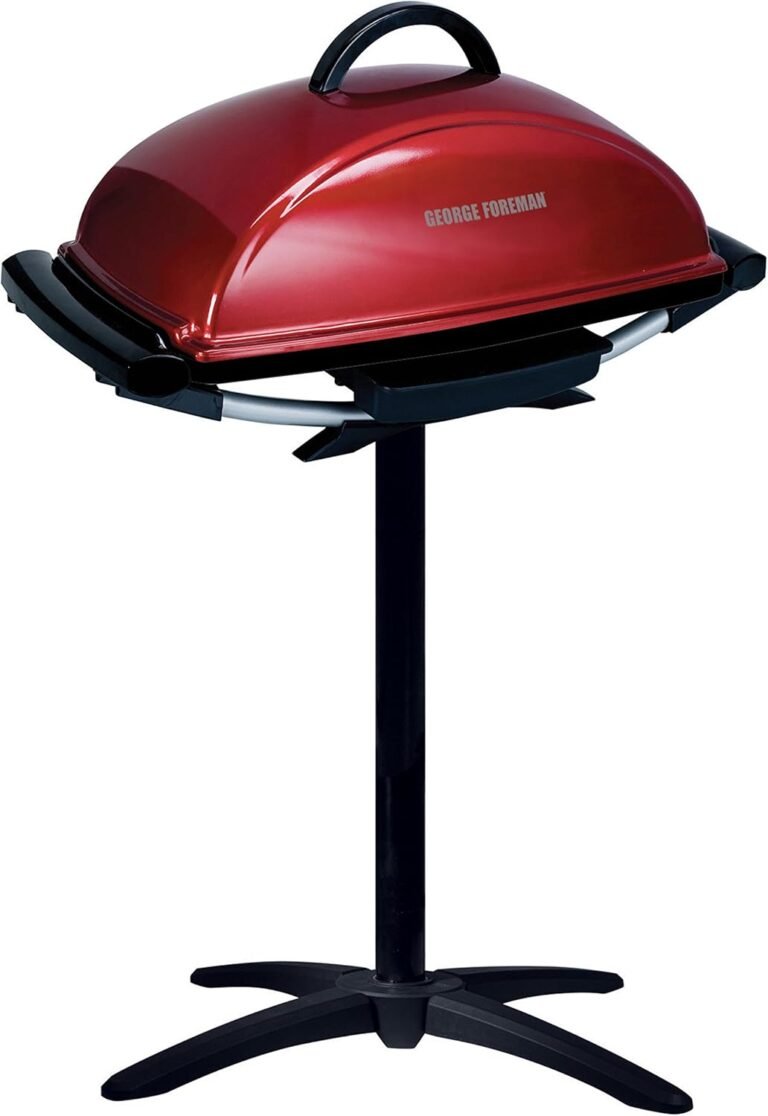
George Foreman Indoor Outdoor Electric Grill GFO201R Review
George Foreman Indoor Outdoor Electric Grill review of the GFO201R 200 sq in surface, 1.5kW heat, five settings, and fat-draining slope for…
-
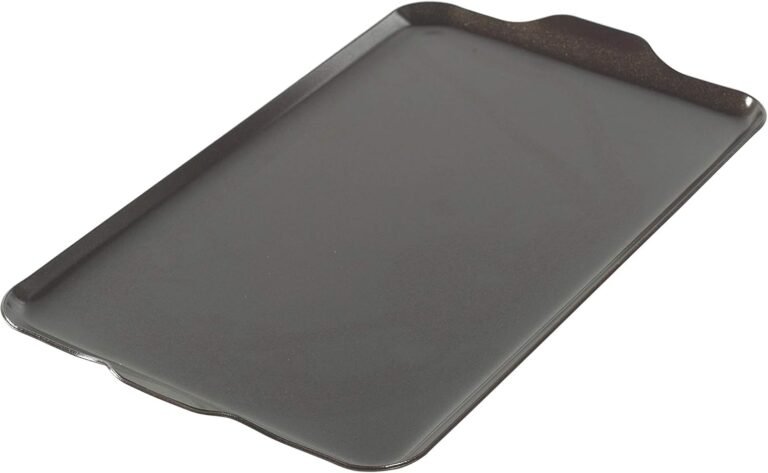
Nordic Ware Two Burner Griddle, 10.3 x 17.4 Inches, Non-Stick Review
In-depth review of the Nordic Ware two burner griddle, 10.3 x 17.4 aluminum, non-stick surface, heat distribution, fuel flexibility, and ideal home…
-
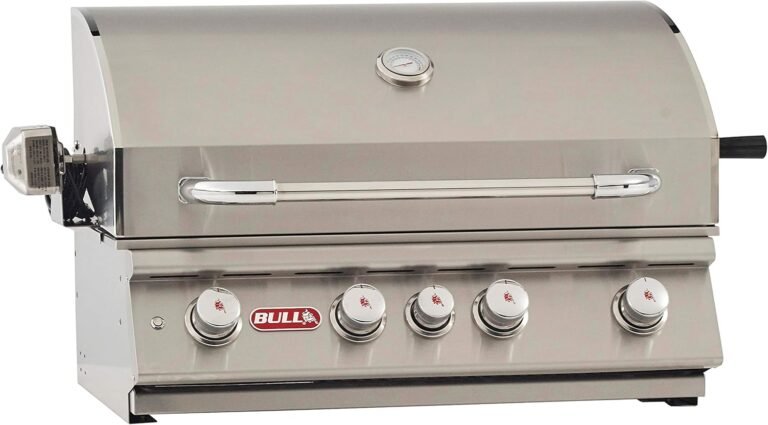
Bull Angus 30-Inch Natural Gas Grill — Built-In Power XL
75,000 BTU natural gas built-in grill with 810 sq in area, 304 stainless construction, rotisserie and infrared back burner—ideal for searing and…
-
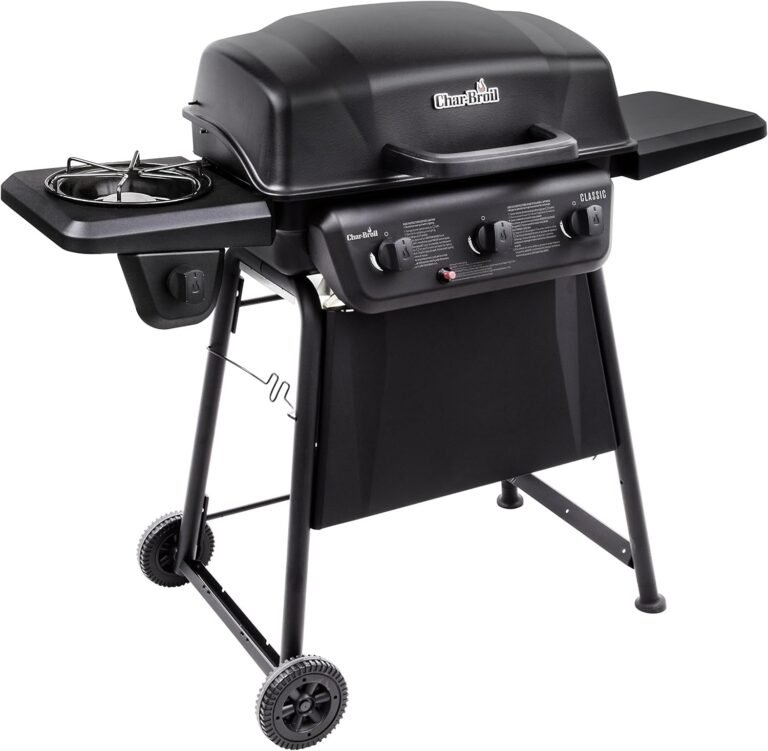
Char-Broil Classic 3-Burner Grill Review: Performance & Fit
Char-Broil Classic 3-Burner gas grill review: cooking performance, propane fuel impact, temperature control, heat distribution, capacity, maintenance, and ideal user profile.
-
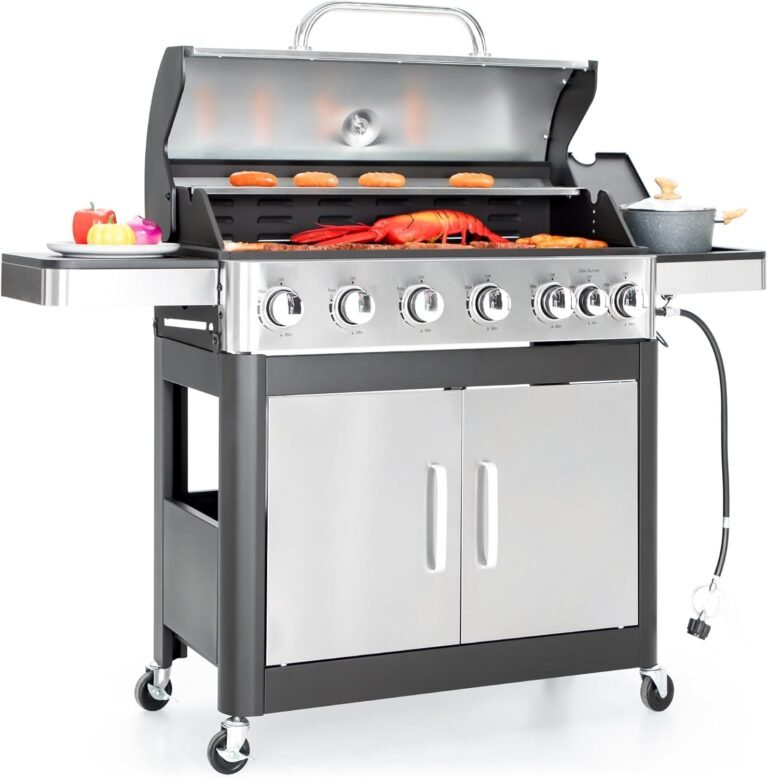
Captiva GR009 6-Burner Grill — 665 sq.in Outdoor Cooking
Six-burner propane grill with 665 sq.in cooking area, porcelain-enameled cast iron grates, side burner and warming rack — built for family grilling…
-
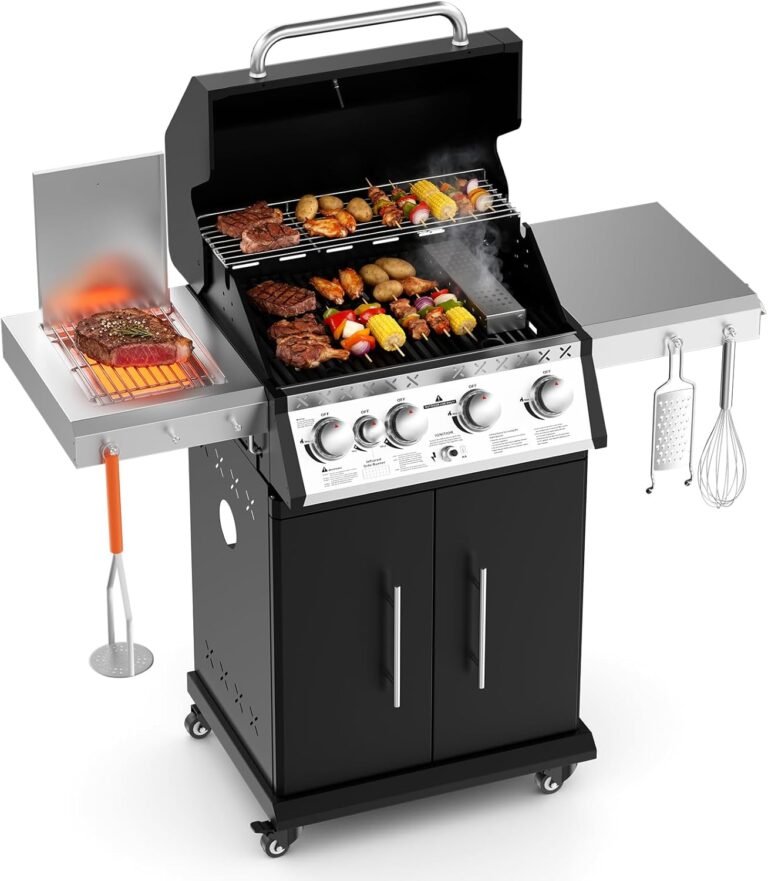
SKOK 4+1 Gas Grill Review — Sear & Smoke Performance Guide
Analysis of the SKOK 4+1 gas grill with infrared sear, 60,000 BTU output, and smoker box. Ideal for backyard cooks who want…
-

MFSTUDIO 4 Burner Gas Grill Review: High-Performance Cooking for Outdoor Enthusiasts
Evaluate the MFSTUDIO 4 Burner Gas Grill’s cooking performance, fuel efficiency, and durability. Ideal for grilling and family gatherings, with 8,000 BTU…
-
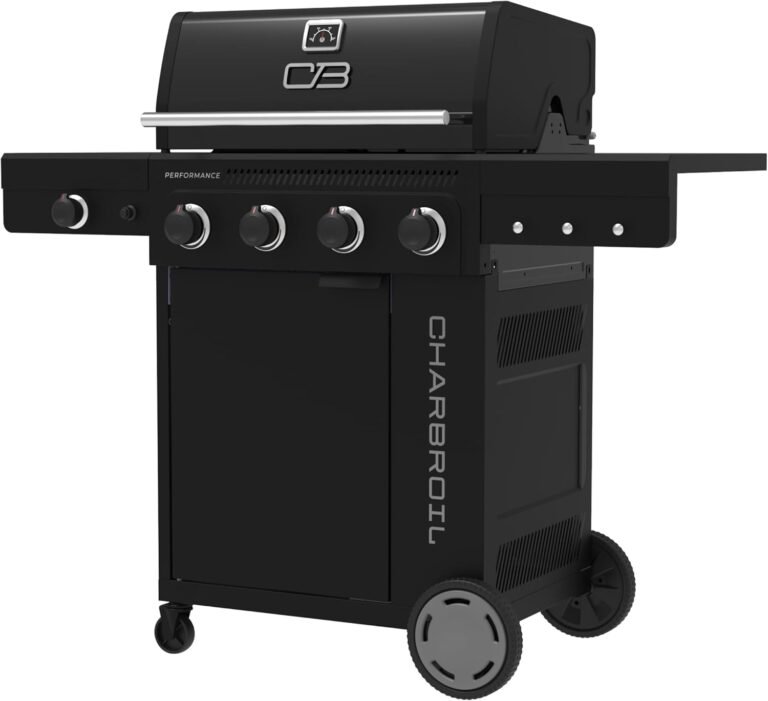
Charbroil Performance Series 4-Burner Gas Grill Review: Cooking Versatility and Fuel Efficiency
Evaluate the Charbroil Performance Series 4-Burner Gas Grill’s cooking versatility, fuel efficiency, and user-friendly design. Ideal for grilling, roasting, and simmering with…
-

Brand-Man Dual Fuel Grill Review: Combining Charcoal and Gas for Versatile Outdoor Cooking
Explore the Brand-Man dual fuel grill’s combination of charcoal and gas for versatile outdoor cooking. Learn about its cooking capacity, heat control,…
-
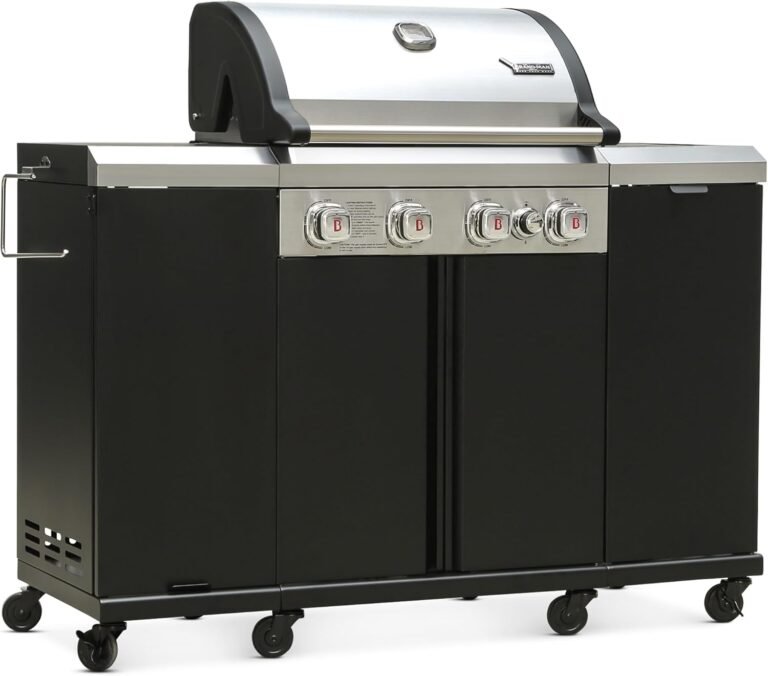
Brand-Man 4-Burner Gas Outdoor Kitchen Grill Island Review: 44,000 BTU Cooking Performance for 2026
Evaluate the Brand-Man 4-Burner Gas Outdoor Kitchen Grill Island’s 44,000 BTU output, convertible fuel system, and 579 sq.in. cooking surface. Ideal for…
-
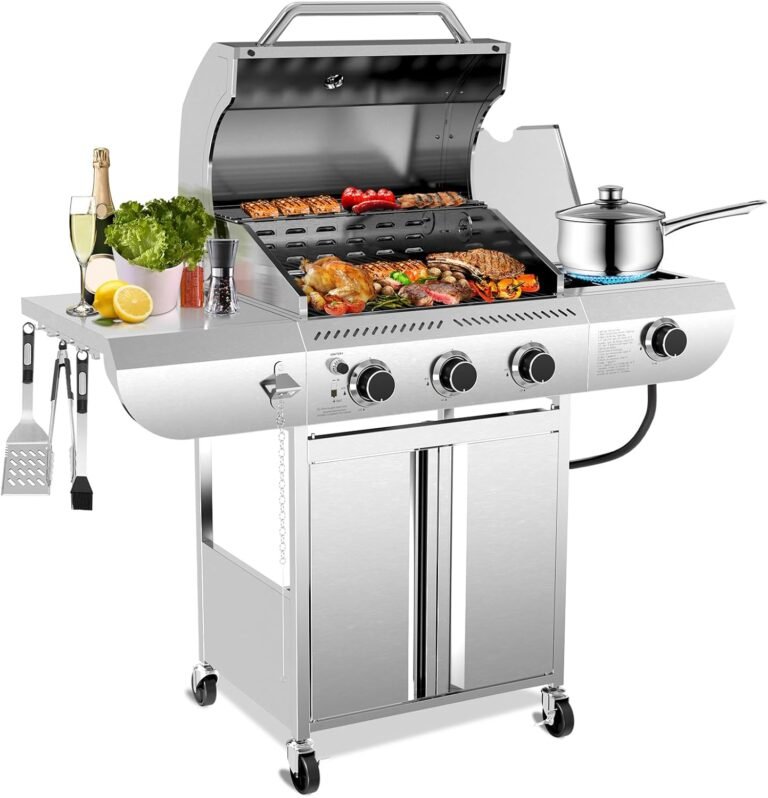
Electactic G31 Pro Gas Grill Review: 34,000 BTU Power for Versatile Outdoor Cooking
Evaluate the Electactic G31 Pro Gas Grill’s performance, including 34,000 BTU output, stainless steel construction, and side burner versatility. Ideal for grilling,…
-
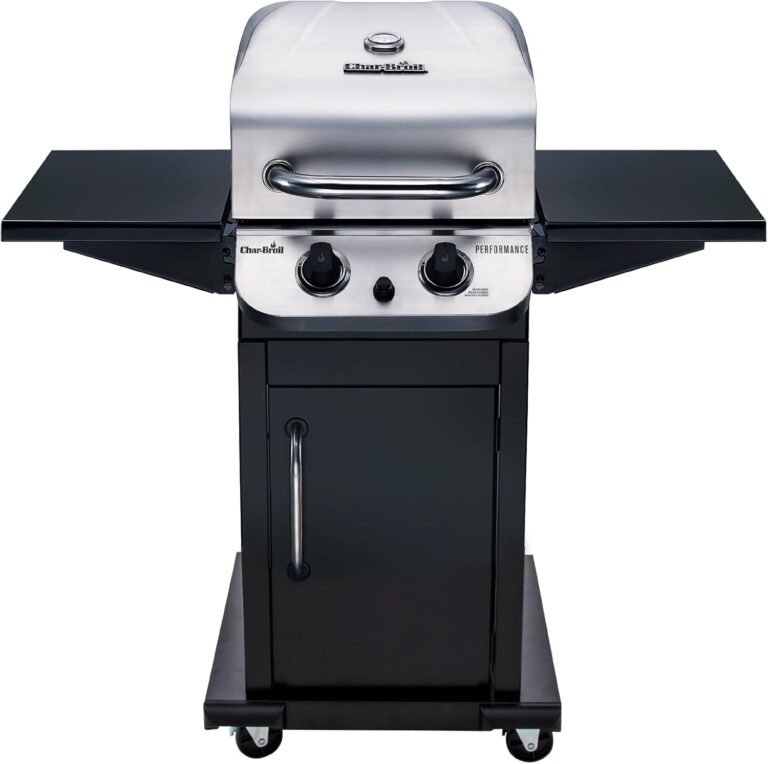
Char-Broil Performance Series Convective 2-Burner Gas Grill Review: 2026 Cooking Performance Analysis
Evaluate the Char-Broil Performance Series Convective 2-Burner Gas Grill for 2026 cooking performance, fuel efficiency, and usability. Learn about its temperature control,…