Cuisinart Venture Portable Grill — Portability & Heat Tips
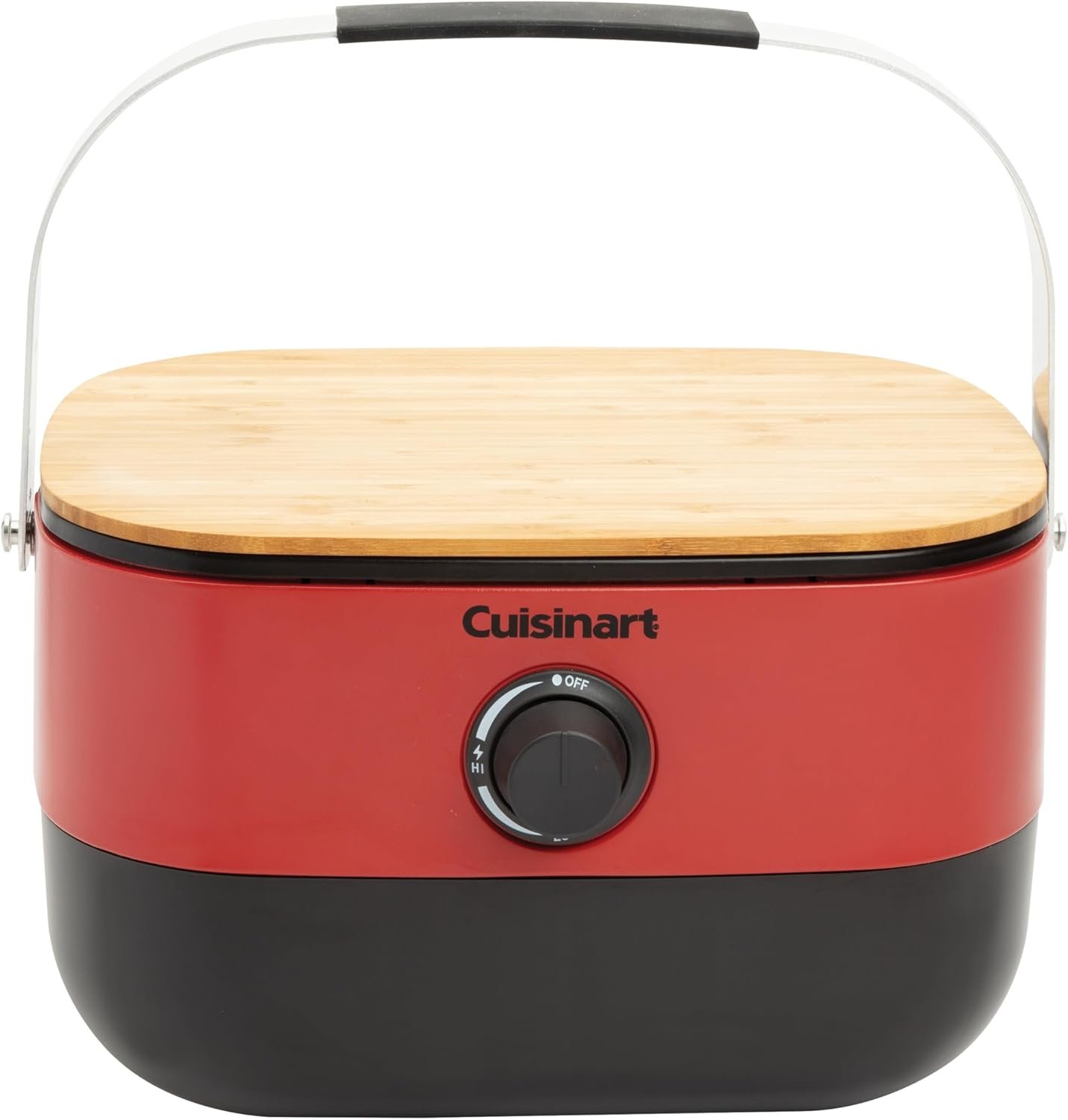
Why grill and smoker selection matters for on-the-go cooks
Choosing a grill or smoker shapes what can be cooked, how reliably heat is delivered, and how easily the unit travels from car to campsite. Outdoor cooks prioritizing portability often accept trade-offs in cooking area, airflow control, and multilayer temperature stability; conversely, backyard hosts who want multi-zone cooking or long low-and-slow sessions typically choose larger, multi-burner systems. The Cuisinart Venture Portable Gas Grill targets users who need a compact, tabletop propane solution with a 9,000 BTU stainless steel burner and a 154 square‑inch porcelain-enameled cast iron grate. Performance expectations should center on direct‑heat grilling, quick searing, and short-session cooking rather than extended smoking or precision low-temperature roasting. Material choices—stainless steel frame, cast iron grate, painted finishes—also influence corrosion resistance, heat retention, and cleaning procedures, which are practical considerations for seasonal storage and frequent transport.
Quick Overview
| Feature | Details |
|---|---|
| Grill type | Tabletop portable gas grill |
| Fuel type | 1 lb propane cylinder (propane) |
| Total cooking area | 154 square inches |
| Burner output | Single stainless steel burner, 9,000 BTU |
| Materials & construction | Stainless steel frame, painted aluminum body, porcelain-enameled cast iron grate, wooden lid/cutting board |
| Control system | Single-knob twist-to-start ignition (electronic) |
| Best suited cooking styles | Direct grilling, searing, quick cooks, small-group grilling |
| Intended use cases | Camping, tailgates, beach days, tabletop grilling |
| Warranty | Manufacturer limited warranty: not specified |
These specifications indicate a compact propane tabletop grill built around portability and straightforward grilling performance. The single 9,000 BTU burner and cast iron grate deliver concentrated heat for searing and direct grilling across a modest 154 square‑inch surface, while integrated storage and a multi-function lid prioritize transport and prep for small-group outdoor use.

Portability, storage, and on-the-road convenience
The Venture’s stack‑n‑go design, rubberized comfort-grip handle, and compact dimensions make it explicitly aimed at users who move frequently between locations. At roughly 20.6 pounds and a tabletop footprint of 13 by 16.25 inches, the grill fits common camp tables and vehicle tailgate arrangements; the base stores a 1 lb propane cylinder under the grill body and includes a flip-out rack to secure the tank upright, which reduces rattling during transport. Integrated clips for hose storage and a wooden lid that doubles as a cutting board add practical prep area without extra accessories. For buyers prioritizing easy packing, short setup time, and integrated organization, the Venture’s form factor reduces the number of loose parts and simplifies staged cooking at remote sites.

Carrying ergonomics and campsite setup
The rubber-wrapped aluminum handle is sized to distribute the grill’s 20.6‑pound mass for one-person carrying, and the stackable design reduces snag points during transport. Tabletop installation is possible on most camp or picnic tables, though a stable, level surface is recommended because the grill has a relatively small contact footprint. The fold-out propane rack and hose clips limit loose components, which is valuable when packing gear for uneven terrain or quick relocations. Users planning frequent transport should still consider a protective cover or padded case to limit cosmetic wear to the painted finish and wooden lid.
Integrated propane management and hose storage
Built-in propane storage for a 1 lb cylinder and a flip-out tank rack provide a secure solution for the small threaded cylinders commonly used for portable grills. Storing the tank in the base reduces external movement and helps maintain a lower center of gravity while carrying. The dedicated clips for hose storage keep the fuel line out of the way and lower the risk of kinking or abrasion during transit. Buyers who use larger refillable tanks will find this system incompatible without additional adaptors or external mounting solutions, which alters the intended transport convenience.
Multi-function lid and prep features
The wooden lid that doubles as a cutting board expands prep options when bench or table space is limited. The lid’s functionality reduces the need to carry a separate cutting board, but wood requires routine drying and cleaning after contact with raw ingredients to manage hygiene and finish longevity. The lid’s multi-function nature supports short trips and compact setups, but it may be less resilient than metal tops under repeated high-heat exposure or heavy mechanical stress; a protective sleeve or careful stacking helps preserve the wood surface over multiple seasons.
Heat output, temperature control, and airflow behavior
The single 9,000 BTU stainless steel burner supplies moderate concentrated heat suitable for searing and medium-high direct grilling across the 154 square-inch cast iron grate, but the unit lacks multi-zone burner architecture and fine-grain temperature readouts. The twist-start electronic ignition and single control knob provide straightforward on/off and flame adjustment, but precise low-temperature holds typical of indirect smoking require more nuanced airflow and multiple heat sources than are available here. Heat management relies on burner modulation, grate heat retention, and venting geometry of the grill body; therefore, cooks should expect faster warm-up and quicker temperature changes rather than long, stable holds. For direct grilling, this configuration is efficient and fuel-savvy, but for low-and-slow smoking, the single-burner, limited-seal tabletop design presents inherent constraints.

Burner performance and ignition system
The stainless steel burner rated at 9,000 BTU is consistent with compact portable grill designs, offering rapid warm-up and sufficient output for searing individual steaks, burgers, or vegetables. The twist-to-start ignition simplifies ignition without match or separate lighter requirements, and the single-knob control allows basic flame adjustments. However, single-burner layouts concentrate thermal energy centrally, so edge temperatures can run lower; achieving uniform sear marks across a large item may require rotating food or using conduction from the cast iron grate. Reliability of electronic ignition in portable grills is commonly high, but replacement or repair options should be confirmed with the manufacturer for long-term use.
Cast iron grate heat retention and searing characteristics
The porcelain-enameled cast iron grate blends excellent heat retention with a smoother, easier-to-clean surface than bare cast iron. Cast iron’s mass helps maintain sear temperatures when the lid is closed briefly and when multiple pieces of food are placed on the grate, improving crust formation and Maillard reactions. Porcelain enamel reduces sticking and makes post-cook cleanup simpler, though chips in the enamel can expose the underlying iron and accelerate corrosion. For searing-focused users, the grate material supports high-heat contact cooking and contributes to pronounced grill marks when the burner is set toward higher output.
Airflow, temperature range and smoking limitations
The tabletop body and single-burner design offer limited control over airflow compared with full-size grills that feature dedicated intake and exhaust vents. Without a tightly sealed chamber or secondary heat source, the Venture is not optimized for low-and-slow smoking where stable temperatures across many hours are required. Temperature range is primarily governed by burner modulation and heat loss to ambient conditions; on calm days the grill can reach sear‑friendly temperatures quickly, but in windy or cold conditions maintaining specific low-temperature bands will be challenging. For cooks prioritizing short, direct grilling sessions, these airflow characteristics are appropriate, but those seeking barbecue-style smoke profiles should consider dedicated smokers or larger multi-burner grills.
Cooking capacity, versatility, and recommended cooking styles
A 154 square‑inch cooking surface supports meals for two to four people per session, depending on portion sizes and grilling technique. The cast iron grate and 9,000 BTU burner are well-suited to direct grilling tasks—burgers, steaks, chops, hot dogs, and vegetables—where high surface contact and brisk heat are primary goals. The integrated prep lid and tabletop design lend themselves to short, mobile use cases like tailgates, beach cookouts, and campsite dinners. The grill’s limitations appear when attempting multi-rack cooking, long indirect roasts, or authentic low‑temperature smoking; it is not designed with adjustable racks or secondary heat sources for such techniques. Buyers seeking a compact, direct-heat portable solution will find the Venture accommodates a wide range of quick-grill menus with modest batch sizes.

Meal capacity and batch cooking strategies
With 154 square inches, typical layouts allow for four standard-size burgers with space for vegetables or smaller items. Batch cooking larger parties requires staging—pre-cooking or rotating ingredients—or using a second grill surface. Cast iron’s heat retention aids when multiple items are seared in succession, but the single burner means surface temperature can drop as cold food is added, requiring brief recovery periods. For weekend campers or small family outings, the capacity is generally sufficient; for frequent entertaining of larger crowds, a larger grill or an auxiliary cooktop is a practical complement.
Suitability for grilling versus smoking or roasting
The Venture is optimized for direct grilling where the food sits directly above the burner and benefits from the cast iron grate’s conduction. Low-and-slow smoking, indirect roasting, and multi-zone temperature profiles are outside the product’s intended capabilities due to the single burner, limited chamber volume, and basic airflow control. While short, smoky flavors can be introduced with smoking chips in a foil packet, replicating sustained smoke infusion or maintaining low steady temperatures for tender barbecue is inconsistent with the grill’s design. Buyers focused on authentic barbecue techniques should consider dedicated smokers or larger multi-burner grills.
Recommended use cases: campsite, tailgate, and quick outdoor meals
The integrated propane tank storage, compact footprint, and multi-function lid make this model particularly suited to mobile scenarios where gear must be minimized and set up quickly. Tailgaters and campers who cook for small groups will appreciate the ease of transport and the immediate readiness of a single‑burner propane system. For beach use, the grill’s materials and compact design support short sessions, though exposure to salt air suggests rinsing and drying after use to preserve painted and wooden elements. For backyard cooks who require long unattended cooks, a different platform is advised.
Materials, durability, maintenance, and expected lifespan
The combination of stainless steel frame components, porcelain-enameled cast iron grate, painted aluminum body, and a wooden lid defines durability trade-offs between corrosion resistance, heat handling, and cosmetic wear. Stainless steel and enameled cast iron are durable under heat cycling but require regular cleaning and protection from marine salt and prolonged wet storage to avoid pitting or finish degradation. The painted body and wooden lid are functional and lightweight, but they are more susceptible to surface wear and weathering than thicker-gauge all-metal lids. Routine maintenance—drying after use, avoiding harsh abrasives on enamel, and periodic inspection of burner ports—will extend functional lifespan; however, the grill is a portable, consumer-grade unit expected to last several seasons with moderate use rather than decades of heavy commercial service.

Corrosion resistance and material care
Stainless steel components resist rusting better than painted metals, but welded seams, fasteners, and the underside of the body are common areas where corrosion can initiate if left wet or exposed to salt-laden air. Porcelain-enameled cast iron should be cleaned with non-abrasive tools to avoid chipping; when chips occur, the exposed iron can oxidize, reducing lifespan. The wooden cutting-board lid requires drying and occasional oiling or conditioning to prevent splitting or surface degradation when used outdoors. Buyers intending frequent coastal or high-humidity use should factor in more proactive corrosion control and storage strategies.
Cleaning, maintenance routines, and user-replaceable parts
Post-cook cleaning of the porcelain-enameled grate with a brass or nylon brush and warm soapy water will keep the surface performing and minimize stuck-on residues. The burner assembly should be checked periodically for clogged ports and cleaned per manufacturer guidance; many consumer grills feature replaceable burners and ignition modules that simplify long-term maintenance. The compact, single-burner design simplifies access for cleaning but concentrates wear on fewer components. Replacement parts availability and manufacturer support are important considerations when estimating ownership cost and repairability over time.
Expected lifespan and warranty considerations
As a consumer-grade portable grill constructed from a mix of stainless steel, painted metal, cast iron, and wood, the Venture’s expected lifespan is intended for seasonal outdoor recreation rather than heavy commercial usage. With routine maintenance and proper storage—drying, protection from long-term exposure, and gentle cleaning—the grill can serve multiple seasons reliably. Warranty information is not specified in the provided specifications, so buyers should confirm current manufacturer warranty terms and parts availability before purchase. Longer-term expectations depend on frequency of use, exposure conditions, and adherence to recommended maintenance.

Pros & Cons
Pros
- Compact, transport-oriented design with integrated handle and storage: The stack‑n‑go format, flip-out propane rack, and hose clips reduce loose components and simplify packing for camping and tailgates, making short-distance transport and setup quicker.
- Porcelain-enameled cast iron grate for searing and heat retention: The grate offers strong heat conduction and retention for improved sear development and more consistent surface contact during direct grilling than thinner steel grates.
- Dedicated propane storage and management: The base stores a 1 lb cylinder and secures it upright, which minimizes movement during transport and keeps the fuel source organized and readily accessible.
- Single stainless steel 9,000 BTU burner with twist ignition: The burner offers rapid warm-up and sufficient output for common direct-grilling tasks, while the electronic twist-start system simplifies ignition without additional accessories.
- Multi-function wooden lid doubles as a cutting board: Provides integrated prep surface in constrained setups, reducing the need to carry separate cutting boards when space is at a premium.
- Lightweight tabletop footprint suitable for small-group cooking: The 154 square-inch cooking area is practical for two to four people, aligning with common needs for portable outdoor meals.
Cons
- Single-burner design limits multi-zone cooking and low-and-slow smoking: The lack of secondary burners and limited chamber control means indirect cooking, sustained smoking, and multi-zone temperature management are not practical.
- Painted and wooden surfaces require careful maintenance: The painted body and wooden lid are more susceptible to weathering and finish wear than all-metal counterparts, necessitating drying and protective care after use.
- Limited cooking area for larger gatherings: At 154 square inches, batch cooking for larger groups requires staging or multiple cook sessions, which may be inefficient for frequent entertainers.
- Potential porcelain enamel chipping risk: While enamel eases cleanup and reduces sticking, chips can expose iron beneath, increasing the potential for rust if not managed.
- Manufacturer warranty details not specified in product information: Lack of clear warranty terms requires buyers to verify current coverage and parts availability before purchase.
Final Verdict: Who This Grill or Smoker Is Best For (and Who Should Skip It)
The Cuisinart Venture Portable Gas Grill is best for outdoor cooks who prioritize portability, simple setup, and direct-heat grilling for small groups. Its 9,000 BTU stainless steel burner and 154 square-inch porcelain-enameled cast iron grate deliver efficient searing and quick warm-up for tailgates, campsite dinners, and beach cookouts, while integrated propane storage and a wooden cutting-board lid streamline packing and prep. This model suits buyers who value compact organization over multi-zone capability and who plan short, frequent grilling sessions rather than extended smoking or large-batch cooking.
Buyers who should skip this unit include those seeking sustained low-temperature smoking, multi-zone grilling for large gatherings, or heavy-duty, long-term backyard use that demands thicker-gauge lids and more comprehensive airflow control. Similarly, users who require a fully specified warranty or extensive customization options may prefer larger, multi-burner platforms or dedicated smokers. Compared to similar portable propane grills in 2026, the Venture emphasizes convenience and direct grilling performance with material choices that favor lightweight transport rather than industrial longevity.

Frequently Asked Questions (FAQs)
Can the Cuisinart Venture be used for low-and-slow smoking?
The Venture is engineered as a single‑burner tabletop propane grill optimized for direct heat and searing. Its limited chamber volume, single burner, and basic airflow control make sustaining low, stable temperatures for long smoking sessions impractical. Short smoke flavoring using smoking chips in foil may be possible, but authentic low‑and‑slow barbecue typically requires a dedicated smoker or larger multi‑burner grill with better temperature stability.
What size propane tank does the grill accommodate and is refillable tank use supported?
The grill is designed to store a 1 lb threaded propane cylinder within the base and secures it upright via a flip-out rack. That compact cylinder is common for portable grills. Use of larger refillable tanks is not supported by the integrated storage; larger tanks can be used externally with appropriate hose adapters but will sacrifice the intended transport and storage convenience.
How does the porcelain-enameled cast iron grate affect cooking and maintenance?
Porcelain-enameled cast iron provides strong heat retention and good sear capability, improving crust development on seared items. The enamel coating offers a smoother surface that reduces sticking and simplifies cleaning compared with bare cast iron. Care should be taken to avoid chipping the enamel—use non-abrasive brushes and avoid metal scrapers on the coated surface—to prevent exposure of the underlying iron and potential corrosion.
Is the grill suitable for beach and coastal use?
The compact design and portability suit beach trips, but exposure to salt air and sand increases corrosion and finish wear risk. After coastal use, rinsing off salt and sand, thoroughly drying the grill, and storing it in a dry place will help protect painted surfaces, fasteners, and the wooden lid. More frequent maintenance is recommended for prolonged coastal exposure.
What cooking capacity can be expected from a 154 square-inch cooking area?
A 154 square-inch cooking surface typically fits about four standard burgers with space for accompanying vegetables or small items, making it suitable for two to four people per cooking session depending on portion sizes. For larger groups, batch cooking or a second cooking surface will be necessary; the compact size is intended for small gatherings and mobile use rather than high-volume entertaining.
How precise is temperature control and what affects temperature stability?
Temperature control is governed by the single 9,000 BTU stainless steel burner and the single-knob twist ignition control. The design offers straightforward modulation for direct grilling but lacks multi-zone burners and sealed chamber vents for fine-grain temperature holds. Ambient conditions such as wind and cold will influence stability more noticeably on this compact unit than on larger, insulated grills.
Are replacement parts and warranty information available for long-term maintenance?
Manufacturer warranty specifics are not listed in the provided specifications, so buyers should confirm current coverage and parts availability with the manufacturer or authorized dealers. Replacement parts for common wear items—burners, ignition modules, grates—are typically available for consumer grills, but long-term repairability depends on manufacturer support and part accessibility.