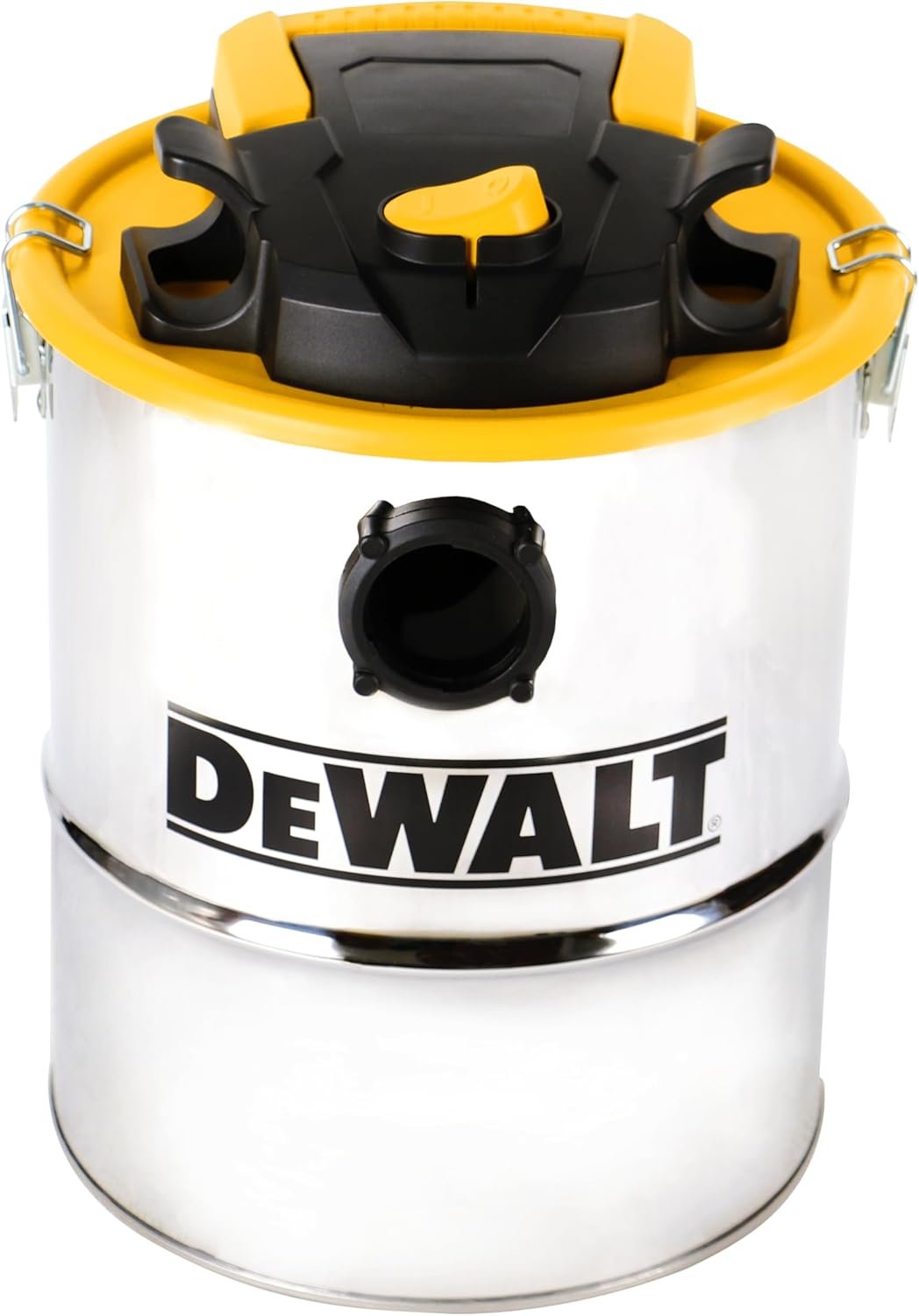
DEWALT DXV04A Ash Vacuum Review – Power, Filtration Plus
Why grill and smoker cleaning tools matter
Selecting the right cleaning tool for grills and smokers is a practical decision that influences performance, longevity, and flavor control. Residual ash and soot change airflow, insulate heat sources, and can trap moisture that accelerates corrosion and affects combustion. For backyard cooks who use charcoal, wood, or pellets, a dedicated ash vacuum can reduce particulate spread, speed maintenance cycles, and preserve searing and smoke profiles by restoring proper airflow. The DEWALT DXV04A positions itself as a maintenance accessory rather than a cooking appliance: its metal canister, cartridge filtration, and 4-horsepower-rated motor aim to address the common needs of pellet stoves, fireplaces, fire pits, and BBQ setups. Buyers should evaluate how an ash-management tool integrates with their cooking style, fuel choice, and outdoor maintenance routine—especially where frequent ash removal is required to maintain temperature stability and even heat distribution in cook chambers.
Quick Overview
| Feature | Details |
|---|---|
| Product Type | Canister ash vacuum designed for ash, soot, and fine debris removal |
| Power Source | Corded electric; 4.5 amps; motor rated at 4 horsepower (manufacturer-stated) |
| Capacity | 4-gallon metal canister |
| Heat-Safe Limit | Rated for cleaning ash below 40°C (104°F) |
| Materials & Construction | Stainless steel metal canister, metal hose, aluminum extension wand, cartridge and pre-filter system |
| Filtration System | Cartridge filter with washable pre-filter; patented multi-stage capture (manufacturer disclosure) |
| Hose & Reach | 4-ft metal hose + aluminum wand and 8-ft power cord for extended reach |
| Intended Use Cases | Pellet stoves, wood/coal stoves, fireplaces, fire pits, charcoal/wood grills and smokers |
The table summarizes product-specific details that determine suitability for various outdoor cooking setups. The metal canister and washable cartridge filter point to a focus on repeated ash handling and reuse, while the heat-safe limit and manufacturer-stated applications indicate use after embers have cooled. The corded motor and hose length define practical reach and placement during routine maintenance.

Cooking style suitability: grilling, smoking, and combined use
The DEWALT DXV04A functions as an ash-management accessory that supports multiple cooking styles by removing combustion residues that influence combustion efficiency and smoke generation. For direct grilling over charcoal, quick removal of ash restores airflow through vents and beneath charcoal beds, which helps achieve higher, more consistent searing temperatures. For low-and-slow smoking, clearing ash from fireboxes and pellet hoppers improves steady fuel feed and reduces flare risks tied to ash accumulation. Combined cooking styles—where searing and smoking occur in the same session—benefit from a tool that can be used between phases to re-establish designed airflow paths and heat transfer. The canister capacity and suction specifications suggest suitability for routine maintenance rather than continuous hot-ash handling, so users should align vacuuming intervals with the appliance’s cooldown profile.

Suitability for direct grilling setups
Direct grilling with charcoal or lump wood requires unobstructed airflow through the fuel bed and out vents; ash accumulation can act as an insulating layer that slows oxygen delivery and reduces maximum heat output. The DEWALT DXV04A’s 4-gallon metal canister and robust suction (manufacturer-stated motor horsepower) make it appropriate for removing loose ash and small clinkers after embers cool below the rated 40°C limit. The metal hose and aluminum wand provide a durable path for debris, and the reusable cartridge and pre-filter reduce the frequency of consumable replacements. This configuration supports restoring peak searing capacity when used as part of a regular maintenance routine.
Suitability for low-and-slow smoking systems
In offset smokers and pellet smokers, consistent combustion and stable smoke production depend on clean burn chambers and unobstructed exhaust paths. Ash buildup in fireboxes, drip pans, or near auger inlets can change airflow characteristics and introduce cold spots or fluctuating burn rates. The DXV04A’s filtration system is designed to capture fine ash particles that can otherwise be redistributed into smoker internals during manual cleaning. By enabling cleaner fireboxes and vents, the vacuum contributes to more predictable temperature control and smoke quality when used between sessions and after complete cooldown, respecting the unit’s heat-safe threshold.
Combined-use considerations and timing
When switching from high-heat searing to low-and-slow smoke in a single cooking session, proper timing of ash removal is crucial. The DEWALT DXV04A is intended for ash collected after embers have cooled below the 40°C safety limit; therefore, vacuuming during active burn cycles is outside manufacturer guidance. For combined-use cooks, planning maintenance breaks after fuel has sufficiently cooled enables safe debris removal without introducing heat-related risks. The vacuum’s portability and hose length support reaching tucked-away firebox areas, but users should allow adequate cool-down time and follow device heat safety limits.
Fuel type impact: charcoal, wood, pellets, and electric grills
Different fuels produce ash with varying particle size, moisture content, and residue composition—factors that influence filtration needs and cleaning cadence. Charcoal and lump-wood ash tends to be dry and powdery, producing fine particulates that demand effective cartridge filtration to avoid exhaust recontamination. Wood smoke can leave slightly coarser char and larger clinkers; the metal canister and wand handle heavier debris. Pellet systems generate a mix of fine ash and compacted fines in hoppers and augers; the DXV04A’s suction and metal hose are positioned to dislodge compacted deposits once cooled. Electric grills and gas systems produce little ash from fuel, but they accumulate soot and small combusted residues in fireboxes and ventilation areas, which the vacuum can capture. Users should match filter maintenance frequency to dominant fuel type and ash fineness.

Charcoal and lump-wood cleaning characteristics
Charcoal combustion often generates very fine, powdery ash that can become airborne during cleaning. Effective capture requires a sealed suction path and cartridge filtration able to retain sub-micron particulates. The DXV04A’s multi-stage filter arrangement (cartridge plus pre-filter) is intended to trap fine ash while keeping exhaust clear. The metal canister provides a non-corrosive reservoir for alkaline ash residues, and the reusable filters reduce recurring consumable costs. For consistency, charcoal-dominant users should inspect and wash pre-filters more frequently to maintain suction efficiency and prolong cartridge life.
Pellet and combination fuel considerations
Pellet systems produce a mixture of fine ash and more compact debris where pellets are ground or augured. Ash can accumulate in burn pots and under feed mechanisms, potentially affecting pellet flow and combustion stability. The DXV04A’s motor rating and metal intake components enable removal of compacted fines once cooled, while the washable pre-filter reduces the risk of cartridge clogging. When used at regular intervals, the vacuum can support steadier pellet feed behavior and reduce maintenance downtime, although the heat-safe limit precludes cleaning immediately after shutdown.
Temperature safety, suction, and filtration performance
Safety and filtration are interdependent for ash-handling equipment. The DEWALT DXV04A is specified for ash removal at temperatures below 40°C (104°F), reflecting material limits for cartridge components and the risk profile for fine particulate exposure. Suction performance is communicated via a manufacturer-rated 4-horsepower motor and maximum suction metric; these specifications indicate the unit is engineered to dislodge and convey both powdery ash and small clinkers into a metal reservoir. The cartridge and pre-filter system combine to minimize exhaust particulate, with washable elements enabling repeated use. Buyers should note that the heat-safe threshold requires waiting for embers to subside and cooling before vacuuming; filtration efficiency also depends on routine maintenance and proper seating of filter elements.

Heat-safe limits and operational implications
The specified maximum safe ash temperature of 40°C (104°F) constrains when vacuuming can occur after a cook. This threshold is an explicit manufacturer parameter intended to protect internal components and reduce fire risk, so cleaning should be scheduled after adequate cooldown. For users who need more rapid turnaround between cooks, alternative workflows—such as transferring cooled ash to a metal bucket before vacuuming—may be necessary but should be evaluated against safety guidance. Compliance with the temperature limit preserves filter integrity and maintains motor and hose longevity by preventing heat-related stress on materials.
Suction power, airflow, and practical debris removal
Manufacturer-stated motor horsepower and maximum suction measurements suggest the DXV04A is capable of moving fine ash and small debris from crevices typical in grills, fireboxes, and stoves. The metal hose and aluminum wand provide a durable pathway that resists heat and abrasion from gritty ash. Effective debris collection depends on unobstructed airflow through the hose and properly seated filters; signal metrics such as motor rating are useful predictors of performance but do not replace routine filter cleaning to avoid suction degradation. The unit’s single-speed power control simplifies operation but limits fine-grain suction adjustment for delicate tasks.
Filtration system design and maintenance demands
The combination of a cartridge filter and a washable pre-filter aims to balance fine particle capture with reusability. The pre-filter collects larger particles and extends the life of the cartridge, while the cartridge is intended to trap finer dust before exhaust. Washable screens reduce consumable replacement frequency, but they require periodic cleaning and drying to maintain filtration efficiency. Users should follow manufacturer guidance for filter seating and cleaning intervals to prevent blow-through of fines and to sustain motor efficiency over the product’s lifespan.
Heat distribution, airflow management, and cooking capacity impacts
Ash accumulation directly affects airflow paths and heat transfer surfaces inside grills and smokers, making ash management an indirect but meaningful contributor to cooking consistency. By removing insulating ash layers from charcoal beds and vents, the vacuum restores designed draft patterns and improves convective and conductive heat transfer. On larger smokers and multi-zone cookers, systematic ash removal can preserve usable cooking area by preventing ash encroachment onto grate space. The 4-gallon canister offers a balance between capacity and portability for typical home-use sessions, allowing multiple cleaning cycles before emptying, which helps maintain continuous cooking operations during extended events when performed during cooldowns.
Airflow correction and temperature uniformity
Blocked vents and ash-choked lanes reduce fresh-air inflow and can create cold pockets that disrupt even cooking. Removing ash from vent paths and under-fuel areas helps re-establish proper draft, enabling more consistent heat distribution across racks. This is especially relevant in offset smokers and kamado-style cookers where bottom airflow is critical. The DXV04A’s metal intake components and suction are configured to reach into common trouble spots, but effective correction requires cleaning at appropriate intervals and after full cooldown to respect the unit’s heat rating.
Cooking capacity preservation and operational efficiency
As ash builds up on grate spaces and in lower chambers, usable cooking area decreases and food placement may be compromised. A 4-gallon collection volume is sufficient for routine household sessions, reducing the frequency of interruptions to empty the canister during multi-day events. The metal canister’s durability and the washable filter system support repeated cycles of debris capture without immediate consumable replacement, which contributes to operational efficiency when the vacuum is used as part of scheduled maintenance between cooks.
Durability, maintenance, and who should avoid this product
Durability considerations center on materials and component design. A stainless steel canister, metal hose, and aluminum wand are corrosion-resistant choices for ash handling, and the washable filter elements reduce recurring consumable costs. The motor and single-speed configuration deliver straightforward operation, but component longevity depends on following manufacturer guidelines for heat limits and filter cleaning. Typical wear points include hose seals, filter integrity, and motor strain from clogged filters. Buyers who require immediate hot-ash removal or who plan to vacuum embers above the rated 40°C threshold should avoid this unit, as should users seeking variable-suction control for delicate ash collection tasks.
Expected service life and common maintenance tasks
Service life projections depend on frequency of use and adherence to maintenance routines. Metal construction resists corrosion from alkaline ash, and washable filters extend usable life compared with single-use designs. Routine tasks include emptying the canister, washing and fully drying pre-filters, inspecting the cartridge for damage, and ensuring hose and wand seals are intact to maintain suction. Motor longevity is tied to keeping airflow unobstructed; prolonged operation with clogged filters increases thermal and mechanical stress. Following cleaning schedules and respecting the heat-safe limit will help preserve functionality over multiple seasons.
Buyer exclusions and alternative recommendations
This ash vacuum is not designed for active ember removal, flammable liquid cleanup, or use with hot ash above the specified temperature limit; those needs require purpose-built hot-ash or fire-resistant handling systems with certified high-temperature components. Users seeking multi-speed suction controls, cordless operation, or integrated blow-back features should evaluate other models that offer variable power settings or battery operation. For commercial kitchens or heavy-duty workshop tasks that generate mixed debris types beyond ash, a specialized multi-purpose vacuum with hardened filtration and certified industrial ratings may be more appropriate.
Pros & Cons
Pros
- Robust suction and metal construction: The manufacturer-specified 4-horsepower motor rating and metal canister design indicate strong suction capability and resistance to corrosion from alkaline ash residues. This construction supports repeated household maintenance sessions without immediate component replacement.
- Washable and reusable filtration: The cartridge plus pre-filter system reduces ongoing consumable costs and captures fine ash, making it suitable for powdery residues common to charcoal and pellet systems. Washable elements simplify long-term filter upkeep.
- Versatile compatibility with common fuel types: Specified use for pellet stoves, wood/coal stoves, fireplaces, and grills positions this unit as a multi-application maintenance tool across different outdoor cooking setups.
- Portable reach for routine cleaning: The 4-ft metal hose combined with an aluminum wand and an 8-ft power cord offers a practical cleaning radius for backyard grills and stationary appliances without frequent repositioning.
- Metal canister capacity: A 4-gallon stainless steel reservoir minimizes emptying frequency during typical residential use and resists degradation from ash chemistry.
- Simple, single-speed operation: The straightforward on/off control reduces complexity for routine homeowners who prioritize ease of use over granular suction adjustment.
- Reusable accessories included: Delivery of hose, wand, cartridge, and pre-filter as standard components supports immediate use and reduces additional purchases.
Cons
- Heat-safe limit restricts timing: The specified maximum ash temperature of 40°C (104°F) prevents use on hot embers and requires cooling intervals, limiting turnaround speed between cooks. This constraint is a material and safety characteristic rather than a performance flaw.
- Single-speed power limits finesse: Absence of variable suction control reduces flexibility for delicate cleaning tasks where gentle capture is preferred to avoid disturbing ash beds that should remain until fully cooled.
- Not designed for commercial heavy-duty use: Build and capacity target homeowner and light-maintenance contexts; commercial operations or large-event cooking may need larger-capacity or industrial-rated vacuums.
- Filter maintenance required: Washable filters reduce consumable costs but demand regular washing and drying to maintain performance; neglect can lead to reduced suction and motor stress.
Final Verdict: Who This Grill or Smoker Accessory Is Best For (and Who Should Skip It)
The DEWALT DXV04A ash vacuum is best suited for home cooks and property owners who regularly use charcoal, wood, or pellet-fueled grills, smokers, and stoves and who perform maintenance after complete cool-down. Its stainless metal canister, reusable cartridge and pre-filter, and manufacturer-rated motor power address the common needs of residential ash management: restoring airflow, protecting heat-transfer surfaces, and reducing particulate redistribution during cleanup. The vacuum’s design supports routine upkeep that contributes to stable combustion and more predictable temperature control in cook chambers, which benefits both grilling and smoking workflows.
This unit is not appropriate for users who require immediate hot-ash removal, need variable suction for delicate tasks, or operate in commercial heavy-use environments. The mandated temperature limit and single-speed operation are intrinsic product characteristics that determine safe and effective use cases. Compared to alternative ash-handling solutions available in 2026, the DXV04A offers a balanced emphasis on metal construction and reusable filtration for residential contexts, while buyers with accelerated turnaround demands or industrial requirements should consider specialized high-temperature or multi-speed systems instead.
Frequently Asked Questions (FAQs)
Can the DEWALT DXV04A vacuum pick up hot ashes right after cooking?
No. The manufacturer specifies a maximum safe ash temperature of 40°C (104°F). This unit is intended for ash and soot removal only after embers and residues have cooled below that threshold. Waiting for cooling protects filter elements and internal components and aligns with the product’s construction and safety parameters.
Is the filtration sufficient for fine charcoal ash from lump coal grills?
The DXV04A uses a cartridge filter combined with a washable pre-filter, which is designed to capture fine particulates typical of charcoal combustion. Regular cleaning of the pre-filter and proper seating of the cartridge are necessary to maintain filtration efficiency and prevent blow-through of very fine dust.
How often should filters be cleaned or replaced?
Filter upkeep depends on usage frequency and fuel type. For charcoal-heavy use, the washable pre-filter may need cleaning after several sessions, while the cartridge should be inspected periodically for clogging or damage. Washing and completely drying the pre-filter before reuse helps preserve filtration performance and suction longevity.
Is the DXV04A suitable for pellet grill maintenance?
Yes. The unit is listed for pellet stoves and similar applications. Pellet systems produce both fine ash and compacted fines in augers or burn pots; the vacuum’s suction and metal intake components are intended to assist with removing cooled ash and compacted residues to support consistent pellet feed and combustion.
Can this vacuum be used around gas or electric grills?
Gas and electric grills typically produce limited ash but can accumulate soot, dust, and debris. The DXV04A can capture those residues once cooled and when used per the product’s safety guidance. It is not intended for cleaning hot elements or handling combustible liquids.
What are the main limitations to consider before purchasing?
Key limitations include the 40°C heat-safe threshold, single-speed operation, and a 4-gallon capacity geared toward residential use. Users who need immediate hot-ash removal, variable suction control, or commercial-scale capacity should evaluate higher-specification alternatives tailored to those demands.