Fire Sense Notebook Charcoal Grill — Portable Performance
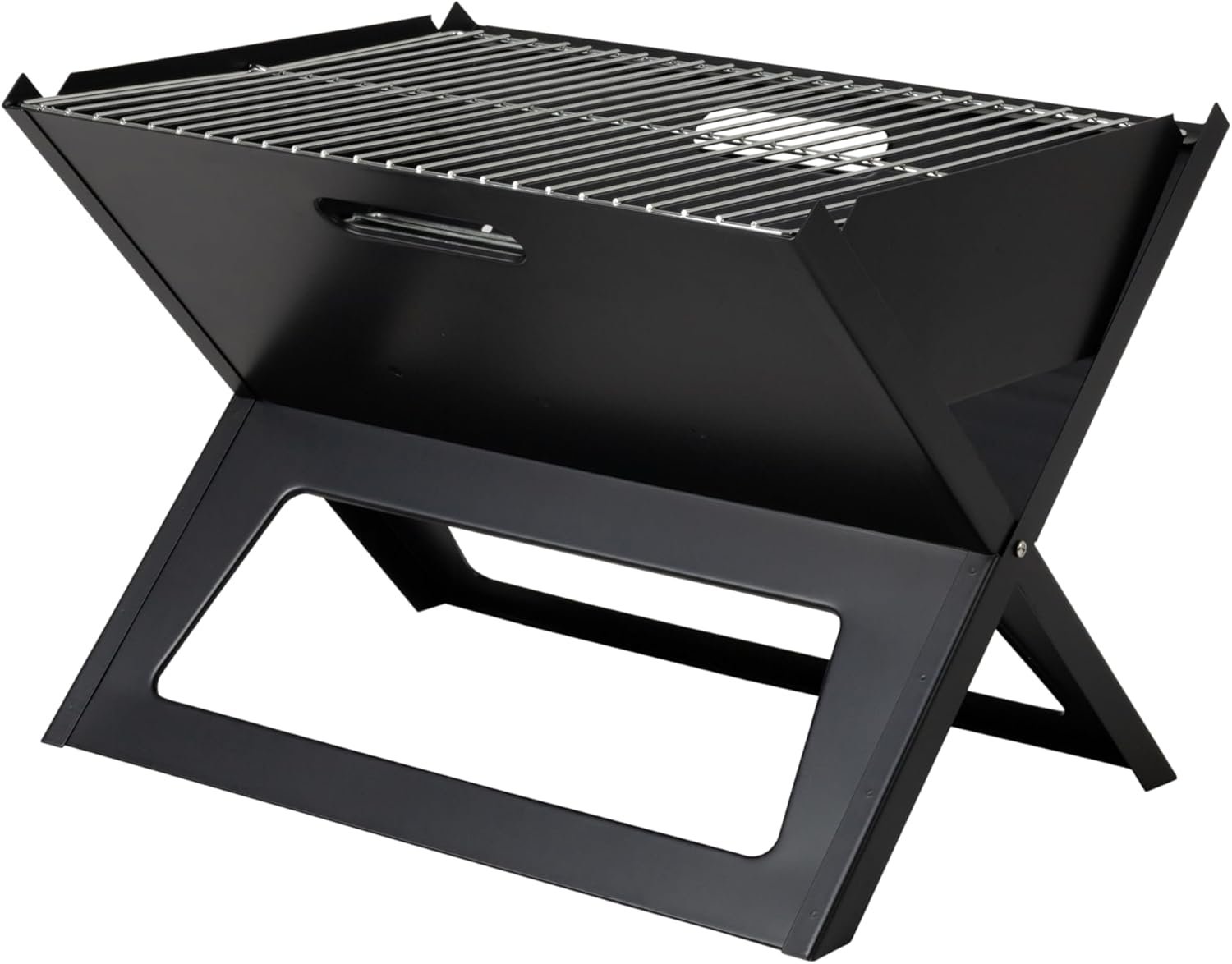
Choosing the Right Portable Charcoal Grill
Selecting a portable charcoal grill requires balancing cooking performance, fuel preferences, and practical use cases. Grills in this class are primarily chosen for outdoor portability — camping, tailgating, beach trips, and small backyard gatherings — so weight, folded footprint, and setup speed matter as much as heat output. Fuel type also drives selection: charcoal provides high direct-heat searing and classic smoke flavor but requires more hands-on temperature management than gas or electric options. For buyers prioritizing compact storage, simple construction, and a true charcoal flavor, a foldable alloy-steel model with a cooking area near 200 square inches can cover most single-meal needs while staying lightweight. Durability expectations should be calibrated to the materials and finish, with alloy-steel and high-heat paint offering reasonable corrosion resistance when maintained. This review focuses on how the Fire Sense Notebook Charcoal Grill’s specifications translate into real-world suitability for different outdoor cooks and cooking styles.
Quick Overview
| Feature | Details |
|---|---|
| Grill type | Portable, foldable charcoal grill |
| Fuel type | Charcoal |
| Total cooking area | 204.95 square inches (manufacturer spec) |
| Temperature range | Not specified by manufacturer; manual charcoal control |
| Materials & construction | Alloy steel frame and cooking grate; high-heat-resistant paint finish; 3.5mm cooking bars |
| Control system | Manual heat control via charcoal placement and access; no built-in vents or digital controls listed |
| Best suited cooking styles | Direct grilling and searing; small-batch smoking possible with indirect setups |
| Intended use cases | Camping, tailgating, picnics, beach, small backyard use |
| Warranty | 1 year manufacturer’s warranty |
This specification snapshot shows a compact, charcoal-only unit built for portability. The cooking area supports meals for small groups while alloy-steel construction and high-heat paint provide basic durability. The fold-flat patented design and light weight prioritize transport and storage over advanced temperature control, so cooking performance will rely on charcoal technique and attention to heat placement.

Cooking Style Suitability: Grilling, Searing, and Limited Smoking
The Fire Sense Notebook Charcoal Grill is optimized for direct-heat grilling and searing due to its compact footprint and single grill grate configuration. A 204.95 square-inch cooking surface allows for arranging steaks, burgers, or vegetables in a direct heat zone, while the open design supports high radiant heat from charcoal placed under the 3.5mm cooking bars. Smoking on this model is limited by size and lack of integrated smoke management—small, low-and-slow cooks are possible with a controlled low-heat coal bank and added wood chips, but temperature stability and smoke retention are constrained by the grill’s open, fold-flat design. For cooks wanting true multi-day smoking or precise low-temperature control, larger offset or pellet systems provide superior results; for portable direct grilling with authentic charcoal flavor, this model aligns well.

Direct Grilling and Searing Performance
Direct grilling performance is driven by the grate thickness, distance from coals, and charcoal capacity. The 3.5mm cooking bars deliver reasonable heat transfer for searing small to medium portions; because the grate sits close to the charcoal in a compact chassis, radiant heat intensity can be high at full charge. Heat output and sear marks depend on how charcoal is distributed over the 204.95 square-inch area: concentrated coal heaps yield higher surface temperatures while more spread-out fuel supports even cooking. Users should anticipate rapid temperature changes with charcoal-fed systems and plan for short, high-heat cooking sessions rather than extended low-and-slow roasts.
Smoking and Indirect Cooking Practicality
Indirect cooking for smoking-style results is possible but limited by the unit’s size and airflow characteristics. Without integrated dampers or a deep chamber, maintaining low stable temperatures requires careful charcoal arrangement, potentially a water pan to buffer heat, and frequent attention to fuel. The compact volume reduces the smoking chamber effect, so achieving prolonged smoke exposure comparable to larger smokers will be challenging. Small cuts or thin-rack setups can pick up smoke flavor reasonably, but reliance on charcoal technique and external aids will be required for consistent low-temperature smoke.
Suitability for Mixed-Use Outdoor Cooking
For users who rotate between quick searing and occasional low-temperature smoking, the Fire Sense Notebook offers flexible portability and rapid setup, making it a pragmatic choice for single-meal versatility. The lack of electronic or vented temperature control places emphasis on the cook’s ability to manage fuel and airflow manually. In contexts where portability and minimal packing are prioritized—hiking-accessible campsites or compact tailgate setups—the trade-off of limited smoke retention for ease of transport often favors this grill over larger stationary smokers.
Fuel Type and Temperature Control: Charcoal-Only, Manual Management
This model is strictly a charcoal-fueled system; the manufacturer lists charcoal as the power source and does not include gas, pellet, or electric options. Temperature control therefore relies on charcoal volume, placement, and access to oxygen. The Notebook Grill’s design folds flat and does not document integrated adjustable vents, suggesting that airflow modulation is largely passive and achieved by grill positioning and opening. Manual control techniques—managing coal bed size, using vents on portable charcoal accessories, or periodically adjusting the grate height where possible—will determine achievable temperature ranges. Prospective buyers seeking precise, repeatable temperature profiles should compare this unit to models offering adjustable dampers, multi-level grates, or dedicated airflow ports.

Charcoal Impact on Flavor and Heat Management
Charcoal provides concentrated radiant heat and typical wood and smoke flavor when combined with natural lump or briquette fuels and wood chips. The alloy-steel construction and thin-profile cooking bars enable rapid heat transfer, so initial grilling sessions can reach high surface temperatures for searing. However, charcoal burns down over time and heat declines unless replenished; in a compact grill with limited fuel capacity, sustained high temperatures require staged loading or more frequent charcoal additions. The flavor advantages of charcoal come with increased attention to coal banking and ash removal compared with gas and electric systems.
Temperature Precision Compared to Gas and Pellets
Gas and pellet grills offer thermostatic or proportional control that simplifies long low-and-slow cooks and consistent reheating. By contrast, the Fire Sense Notebook requires manual modulation of fuel and airflow, which increases variability in temperature control. Where absolute precision is necessary — such as sous-vide finishing or multi-hour smoked brisket — this grill’s manual nature is a limiting factor. For quick direct-heat cooking and occasional low-temp smoking tasks where exact degree tracking is less critical, the unit is an efficient, lightweight solution.
Role of External Accessories for Better Control
Accessories such as a wind screen, small adjustable vents, or a calibrated charcoal chimney can materially improve temperature stability and startup consistency. A compact water pan or heat deflector placed adjacent to the coal bed can help create an indirect zone and moderate temperature swings. These modifications are common among portable charcoal grills to offset the lack of built-in features; they require careful fitment and awareness of manufacturer guidance to avoid compromising structural integrity or warranty coverage.
Heat Distribution and Airflow Management: Design-Driven Tradeoffs
Heat distribution in the Notebook Grill is a function of grate thickness, coal placement, and the open chassis design. The 3.5mm cooking bars and compact distance between coals and grate favor direct radiant heat and localized hot spots above the coal bed. Even heat distribution across the entire 204.95 square-inch surface depends on how coal is loaded; creating multiple heat zones is feasible by arranging coals into concentrated and cool areas. Airflow management is inherently manual; the product description does not list adjustable vents or a sealed lid, so oxygen supply is influenced by ambient conditions and the grill’s orientation. Buyers should anticipate a greater need to rotate food, move items between hotter and cooler zones, and manage ash accumulation to keep airflow consistent during a cook.

Hot Spots, Zone Cooking, and Grate Considerations
Localized hot spots are typical in small charcoal grills where the grate sits near the fuel. Zone cooking remains achievable by manipulating coal distribution—forming a two-zone setup (direct and indirect) uses one concentrated coal pile and a cooler side for finishing. The 3.5mm bars provide sufficient contact for sear marks on many foods, but very thick or heavy items may require longer contact times or multiple rotations to avoid uneven cooking. Grate geometry and spacing also influence flare-ups and drip management; this model’s compact grate spacing balances heat transfer with reduced food slippage risks.
Airflow Sensitivity and Environmental Factors
Open, portable charcoal grills are sensitive to wind and ambient temperature. Without built-in dampers, airflow is modulated by how open the chassis is and by external conditions, meaning windy or cold environments will reduce burn time and alter temperature curves. Positioning the grill with a windbreak and selecting a sheltered location improves control. Users must monitor ash buildup because restricted oxygen pathways from accumulated ash reduce combustion efficiency and elevate fuel consumption in prolonged sessions.
Long-Term Fuel Efficiency and Ash Handling
Fuel efficiency in this grill class is lower than in larger, insulated designs because heat radiates more freely from a shallow chamber. The absence of a deep ash pan or dedicated ash-removal system increases the importance of periodic cleaning to maintain consistent airflow. Regular ash clearing preserves combustion efficiency and reduces charcoal waste, while overfilling the compact fuel bed can produce excessive smoke and uneven heating. Simple maintenance routines enhance consistency over multiple cooks.
Cooking Capacity, Portability, and Construction Quality
The Fire Sense Notebook is built to balance cooking capacity and portability. With a stated cooking area of roughly 205 square inches and an assembled footprint near 17.5 by 11.8 inches, the grill accommodates food for two to four people per cook cycle depending on portion sizes. Weighing approximately 7.74 to 8 pounds and folding to a slim profile, the design prioritizes carry-friendly transport and compact storage. Construction uses alloy steel and a high-heat-resistant painted finish, and the patented fold-open mechanism transforms the body into its own carrying profile. These materials and mechanisms suggest reasonable corrosion resistance if rinsed and dried after exposure, but expectations for long-term outdoor exposure should consider modest thickness of materials and periodic maintenance to prevent wear.

Capacity Relative to Common Portable Needs
A 204.95 square-inch cooking surface typically fits several burgers, hot dogs, or a couple of small steaks in a single batch, making the grill suitable for small group meals and quick gatherings. The compact nature also speeds heat-up times, but limits batch throughput; larger groups will require multiple cooking cycles or staged food prep. The fold-flat design supports easy packing into a vehicle or storage locker, an important consideration for users with minimal storage space or who carry gear on trips.
Materials, Finish, and Expected Lifespan
Alloy steel with a high-heat paint finish offers a cost-effective balance of strength and heat tolerance, but alloy steel thickness and coating quality determine long-term resistance to rust and warping. The manufacturer-specified 3.5mm cooking bars are adequate for routine grilling; however, repeated exposure to outdoor conditions without cleaning and protective storage can accelerate surface degradation. With regular cleaning, ash removal, and sheltered storage, reasonable lifespan expectations align with similar entry-to-mid-level portable charcoal grills, while heavy daily use or constant outdoor exposure will reduce longevity.
Portability Trade-offs: Weight, Foldability, and Stability
At under 8 pounds, the Notebook Grill is highly portable for car camping, beach trips, and tailgating. The patented fold-open design simplifies packing and reduces the need for a dedicated carrying case. Portability trade-offs include a lower center of gravity and limited leg height relative to larger stands; on uneven terrain, additional support or a stable platform may be necessary to maintain safe cooking posture. The foldable mechanism should be inspected periodically for hinge wear and to ensure a secure standing configuration before use.
Maintenance, Cleaning, and Durability Considerations
Maintenance for a compact charcoal grill centers on ash removal, surface cleaning, and protective storage. The alloy-steel construction and high-heat paint finish simplify surface wiping after cooling, but persistent moisture exposure or salt air can accelerate corrosion if the finish is compromised. The single grate and absence of complex assemblies make routine cleaning straightforward, yet the folded carry profile means ash and residue management before storage is important to avoid staining or odor transfer. The 1-year manufacturer warranty covers defects in materials and workmanship; users should follow manufacturer care instructions to help preserve finish and moving parts. Durability expectations should align with portable grill norms: solid for occasional outdoor use, requiring attentive maintenance for prolonged service life.

Routine Cleaning Steps and Recommended Intervals
Routine cleaning includes removing cooled ash after each use, brushing the 3.5mm cooking bars to clear food residue, and wiping exterior painted surfaces to remove grease and particulates. A more thorough cleaning, such as scraping the underside of the grate and checking hinge and fold mechanisms for debris, is advised every few uses or after particularly greasy cooks. Avoiding abrasive cleaners that remove high-heat paint preserves corrosion resistance and appearance. Storing the grill dry and off the ground reduces exposure to moisture and extends usable life.
Common Durability Themes from Customer Feedback
Customer review patterns for similar foldable alloy-steel grills often praise portability and compact storage while noting concerns about thin metal sections and potential for surface rust if left exposed. Hinges and fold mechanisms are frequently highlighted as wear points; regular inspection and light lubrication can mitigate issues. Buyers frequently recommend thorough drying after cleaning and occasional touch-up of paint chips to maintain finish integrity over seasons of outdoor use.
Who Should Avoid This Grill Based on Maintenance Needs
This model is less suitable for users who prefer maintenance-free, year-round outdoor grills or those who require precise, long-duration temperature stability for large cuts. Owners who will leave a grill exposed to harsh outdoor environments without cleaning and shelter may find the alloy-steel finishing insufficient for long-term durability. Users needing integrated venting, multiple cooking levels, or large-capacity smoking chambers should evaluate larger or more feature-rich charcoal or pellet systems instead.

Pros & Cons
Pros
- Highly portable and compact design. The patented fold-open mechanism and light weight make transport and storage straightforward, appealing to campers and tailgaters who need a minimal footprint.
- Authentic charcoal flavor and high direct heat. The charcoal-only cooking system and close grate-to-coal distance enable strong radiant heat for searing and traditional grilled flavor.
- Reasonable cooking area for small groups. At approximately 204.95 square inches, the surface supports meals for two to four people per cook cycle without excessive bulk.
- Simple construction with few parts. The single grate and foldable frame reduce complexity, making setup and teardown quick and reducing potential failure points.
- Alloy-steel construction with high-heat paint. Materials provide basic durability and heat tolerance when maintained and stored properly.
- One-year manufacturer warranty. A standard warranty offers coverage for defects in materials and workmanship for a defined period.
Cons
- Limited temperature precision and control. Absence of documented adjustable vents or digital controls means temperature management depends entirely on charcoal technique and environmental conditions.
- Restricted smoking capability. The compact, open design limits smoke retention and long-duration low-temperature cooking compared to dedicated smokers or pellet grills.
- Durability concerns with extended exposure. Thin alloy-steel sections and painted finishes require regular cleaning and sheltered storage to avoid premature rust and wear.
- Single-level grate and small footprint. Batch capacity and cooking configurations are constrained; larger groups will require multiple batches or larger equipment.
- Potential hinge and mechanism wear. Foldable designs concentrate stress at moving parts; periodic inspection and maintenance are necessary to maintain stability.
Final Verdict: Who This Grill or Smoker Is Best For (and Who Should Skip It)
The Fire Sense Notebook Charcoal Grill is best suited to buyers prioritizing lightweight, compact charcoal grilling with authentic direct-heat performance. Ideal users include car campers, tailgaters, picnic-goers, and small-household cooks who value fast setup, fold-flat storage, and a true charcoal flavor in a transportable package. Its approximately 205 square inches of cooking surface and simple alloy-steel construction meet single-meal needs for two to four people and support searing and quick direct grilling well. Buyers seeking minimal parts, easy packing, and occasional low-temperature smoking in a compact form factor will find this grill practical.
This model is not recommended for those requiring precise temperature control, extended low-and-slow smoking capability, or high-throughput cooking for large groups. Owners who expect continuous outdoor exposure without routine cleaning or those preferring ventilated, multi-level cookers should consider larger, vented charcoal grills, pellet systems, or gas models with thermostatic control. Compared to similarly priced portable grills in 2026, the Notebook excels on portability and simplicity but trades off advanced airflow control and large-chamber smoke performance.

Frequently Asked Questions (FAQs)
How much cooking space does the Fire Sense Notebook Charcoal Grill provide?
The manufacturer lists approximately 204.95 square inches of cooking surface, which typically accommodates meals for two to four people depending on portion sizes. The surface is suitable for burgers, steaks, and vegetables in single batches, but larger groups may require multiple cooking cycles or staggered food prep.
Can this grill be used for smoking and low-and-slow cooks?
Smoking is possible but limited due to the compact, open design and lack of sealed dampers. Small low-and-slow tasks can be attempted by arranging a controlled charcoal bank and adding wood chips, though maintaining stable low temperatures will require attentive fuel management and possibly supplemental accessories such as a water pan or windbreak.
What type of fuel does the Notebook Grill use and how does it affect cooking?
This model uses charcoal as its sole fuel source. Charcoal delivers strong radiant heat and classic smoky flavor but requires manual control of coal placement and oxygen exposure. Expect faster heat-up and more variable temperature profiles than gas or pellet systems, with the need for periodic coal additions for longer cooks.
Is the Fire Sense Notebook Grill easy to transport and store?
Yes. The patented fold-open design converts the grill into a slim, flat profile that serves as its own carrying form. At roughly 7.7 to 8 pounds, the unit is lightweight for car camping, beach trips, and tailgating, and it stores compactly in limited spaces when cleaned and dried before folding.
What maintenance is required to keep this grill in good condition?
Routine maintenance includes removing cooled ash after each use, brushing the cooking grate, wiping exterior surfaces, and ensuring the unit is dry before folding for storage. Periodic inspection of hinges and the fold mechanism, along with touch-up of any chipped paint, helps prevent rust and extend service life.
Does the grill offer adjustable vents or digital temperature controls?
No. Manufacturer specifications indicate a manual charcoal system without integrated digital controls or listed adjustable venting. Temperature and airflow control are achieved by coal placement, ambient conditions, and any external accessories a user may add.
What materials are used and how durable is the finish?
The grill is constructed from alloy steel with a high-heat-resistant painted finish and 3.5mm cooking bars. These materials provide heat tolerance and basic corrosion resistance when properly cared for, but long-term durability under constant outdoor exposure will depend on cleaning, drying, and sheltered storage.
Who should avoid buying this portable charcoal grill?
Buyers who need precise temperature control, extended low-and-slow smoking capacity, or large batch cooking for sizable gatherings should consider larger, vented charcoal grills, pellet smokers, or gas systems instead. This model is aimed at portability and short direct-heat cooks rather than advanced smoke management.