Onlyfire Gasket for Kamado Joe Big Joe — Better Heat Control
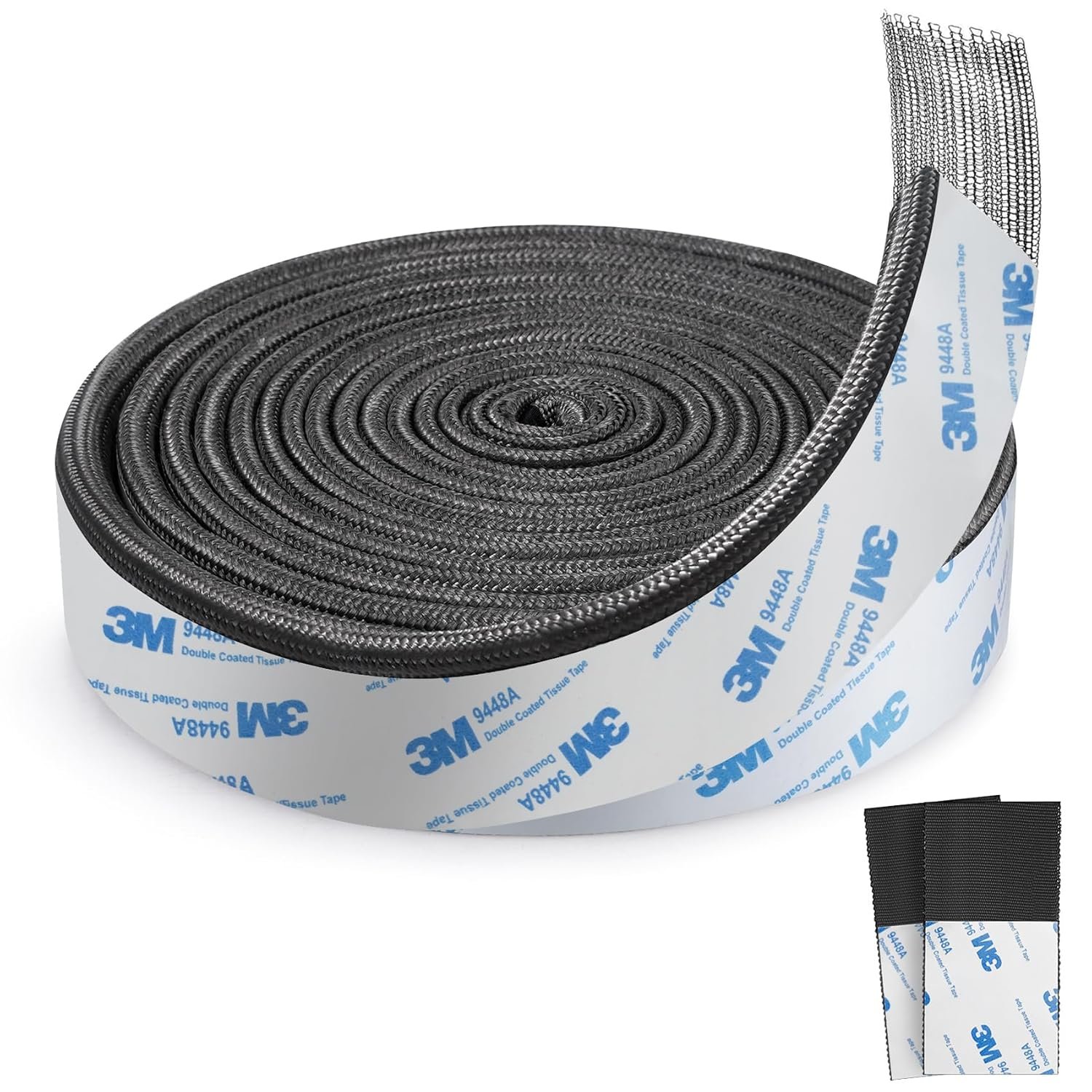
Why the right gasket matters for Kamado grills
A gasket is a small component that exerts an outsized influence on kamado performance. For ceramic kamado grills such as the Kamado Joe Big Joe, a consistent seal between lid and base controls airflow, stabilizes temperature, and keeps smoke and moisture where they belong. Buyers seeking precise low-and-slow smoking or high-temperature searing should evaluate gasket material, thickness, adhesion method, and construction because those factors determine how effectively the grill retains heat and responds to vent adjustments. Compatibility with the Kamado Joe Big Joe and other kamado ceramics matters for fit and ease of installation. Fuel preferences — primarily lump charcoal in kamados — interact with gasket performance because charcoal cooking benefits from airtight seals for fuel efficiency and consistent heat. Durability and maintenance expectations must align with intended cooking frequency; replacement gaskets are wear items influenced by heat cycles, cleaning methods, and cooking style.
Quick Overview
| Feature | Details |
|---|---|
| Product type | Replacement gasket kit for kamado/ceramic grills |
| Compatible models | For Kamado Joe Big Joe; fits many kamado/ceramic grills when trimmed to fit |
| Fuel type | Designed primarily for charcoal kamado use (lump charcoal or briquettes) |
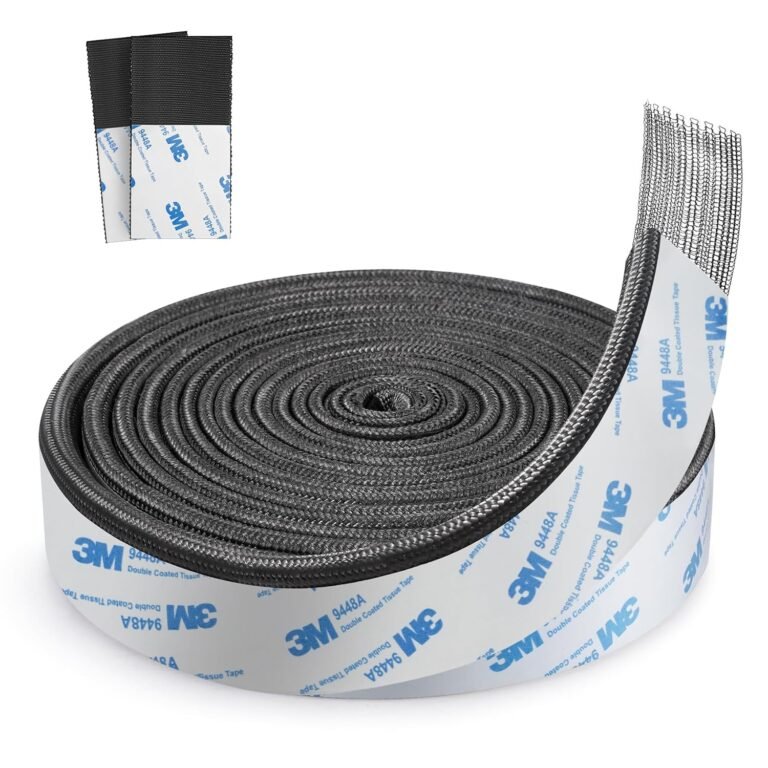
| Material & construction | High-temp fiberglass with internal steel wire mesh; 0.5-inch thickness; peel-and-stick adhesive backing |
| Control system | Passive component; affects manual venting and temperature stability |
| Best suited cooking styles | Smoking, low-and-slow, and high-temp searing due to improved heat and smoke retention |
| Intended use cases | Seal replacement for worn gaskets, improving heat retention and reducing smoke leakage |
| Warranty | Not specified by manufacturer |
These specifications indicate a gasket intended to restore or improve the lid seal of a charcoal kamado. The fiberglass core with steel mesh targets high-temperature resilience while the adhesive backing allows direct replacement without specialized tools. For cooks prioritizing smoke retention and steady low-temperature burns, the kit addresses the common wear point that undermines temperature stability in long cooks.

Heat retention and temperature control
A gasket’s primary functional contribution to a kamado is airtightness, which directly influences heat retention and the responsiveness of manual venting. The Onlyfire kit’s 0.5-inch fiberglass construction with an internal steel wire mesh is designed to compress against the lid and base mating surfaces, reducing convective heat loss and limiting uncontrolled oxygen ingress. A tighter seal reduces charcoal consumption for long smokes and narrows temperature drift, which helps maintain setpoints during fuel-building and overnight cooks. The peel-and-stick adhesive stabilizes the gasket against slippage at high temperatures, preserving the intended sealing geometry. However, absolute temperature ranges are governed by the kamado’s ceramic mass and vent settings; the gasket optimizes that system rather than changing fundamental thermal capacity.

Impact on smoking versus high-heat searing
For low-and-slow smokers, a robust gasket reduces the need for frequent vent adjustments by dampening small pressure and flow variations, producing steadier temperatures over multi-hour cooks. In high-heat searing, the gasket contributes to retaining peak temperatures by minimizing heat loss along the lid seam; this supports the ceramic body’s ability to reach and hold searing setpoints with fewer charcoal replenishments. Because kamados rely on controlled airflow through top and bottom vents, gasket integrity magnifies the effectiveness of vent tuning: a leaking gasket can render fine vent adjustments useless, while a reliable gasket enables predictable responses to incremental vent changes. The Onlyfire kit’s material choices focus on that sealing function rather than active temperature regulation.
Temperature range and control precision
The Onlyfire gasket is specified as high-temp fiberglass with an internal wire mesh, which aligns with materials commonly used to tolerate the elevated temperatures generated inside kamados. While the manufacturer does not publish a numeric maximum temperature rating, fiberglass gaskets in similar applications typically withstand repeated cycles associated with both low-smoke and high-sear use. Precision in control stems from the gasket’s ability to maintain a consistent seal under compression; the 0.5-inch thickness balances compressibility with structural integrity. Control precision also depends on how uniformly the gasket seats around the full circumference—any gaps or uneven adhesion will create leak paths that reduce the efficacy of vent adjustments.
Fuel-type interactions (charcoal, gas, pellets, electric)
This gasket kit is engineered for ceramic kamado grills, which are predominantly charcoal-fired. In charcoal use, airtight seals preserve coals and stabilize burn rates, directly affecting fuel efficiency and smoke concentration. For gas or electric grills and most pellet grills, gasket characteristics matter less because these systems incorporate different sealing and airflow designs; many gas grills use gasketed doors or engineered seals specific to their heat sources. Pellets and certain conversion setups that retain a kamado shell may benefit from a quality gasket, but compatibility should be confirmed. The Onlyfire kit’s adhesive and material behavior is optimized around the thermal and smoke conditions produced by lump charcoal and traditional kamado operation.
Compatibility and fit considerations
Compatibility involves more than brand name; it encompasses lid diameter, rim profile, and mating surface finish. The product listing specifies fit for Kamado Joe Big Joe and advertises universal compatibility with other kamado/ceramic grills when trimmed, which implies the gasket comes in a round form designed to match the Big Joe circumference. Buyers should verify the mating surface width and profile on their specific model because ceramic tolerances, aftermarket rings, and manufacturer-specific flange designs can alter fit. The peel-and-stick adhesive makes installation straightforward on continuous, clean surfaces, but uneven or damaged mating surfaces will affect adhesion and seal quality. When exact OEM match is essential, some users opt for manufacturer-supplied gaskets; this aftermarket option emphasizes cost-effective replacement and material reinforcement via a wire mesh core.

Fit with Kamado Joe Big Joe specifics
The listing identifies the kit as “For Kamado Joe Big Joe,” indicating the circumference and gasket length are intended for that model’s lid-to-base interface. Big Joe models have a larger diameter and thicker rim than smaller kamados, so gasket thickness and compressibility must be sufficient to fill the gap without causing lid misalignment. The internal steel wire mesh provides dimensional stability to prevent the gasket from compressing excessively under lid weight or expanding under heat. Correct fit requires the mating surfaces be free of old gasket residue and ceramic glaze imperfections; otherwise the adhesive bond and resulting seal can be compromised. Trimming small excess material is a standard step when adapting aftermarket gaskets to specific rim profiles.
Cross-compatibility with Big Green Egg and other kamados
The product title references Big Green Egg compatibility; many aftermarket gaskets are marketed as cross-compatible due to similar rim diameters among large kamados. Ceramic shell thickness and rim width vary across brands and generations, so cross-compatibility is conditional. The fiberglass material and 0.5-inch thickness are in a general-purpose range that adapts to common kamado flange geometries, but successful use on a different brand requires inspection and potential trimming. The internal wire mesh may provide added structural support where OEM gaskets differ in density. When swapping between brands, verify that the replacement gasket does not interfere with hinge assemblies or temperature probes placed near the seam.
Sizing, trimming, and pre-install checks
Aftermarket gasket kits often require trimming to achieve a continuous, snug fit. Pre-install checks should include measuring the lid and base mating surfaces, removing all old material, and cleaning with a solvent compatible with the adhesive backing. The kit’s peel-and-stick application simplifies placement but offers limited repositioning once adhered, so dry-fitting segments and marking cut points before removing adhesive backing is recommended. Trimming tools should produce a clean edge to maintain continuous compression. Additionally, inspect for any ceramic chips or glaze irregularities that could prevent a uniform seal; those flaws may necessitate smoothing or a different gasket profile for an optimal fit.
Durability, materials, and expected lifespan
Material selection drives durability in the gasket’s thermal and mechanical environment. Fiberglass resists high temperatures and thermal breakdown, while the internal steel wire mesh helps the gasket retain its shape under compressive loads and repeated heat cycles. The 0.5-inch thickness balances compressive resilience with the need for a tight seal. Longevity depends on frequency of cooks, typical temperature extremes, cleaning methods, and exposure to ash or moisture. Reviews commonly report multi-season service life for similar aftermarket gaskets, but accelerated wear can occur with frequent high-temperature searing or abrasive cleaning. Adhesive lifespan is also material-dependent; long-term adhesion requires clean mating surfaces and minimal chemical exposure during maintenance.

Fiberglass construction and the role of steel wire mesh
Fiberglass offers thermal stability and low thermal conductivity, helping minimize heat transfer through the gasket itself while tolerating repeated high-temperature exposure. The internal steel wire mesh provides tensile strength and prevents the fiberglass body from extruding or deforming under compression. This composite construction aims to combine heat resistance with dimensional stability, supporting a reliable seal even as the gasket cycles between hot and cool states. Steel mesh also helps the gasket retain its profile against the mechanical forces exerted by the lid weight and hinge tension. These materials mirror construction choices found in higher-end OEM and aftermarket gaskets designed for kamado or ceramic grill applications.
Heat resistance, adhesive performance, and failure modes
Heat resistance is a function of both the gasket material and the adhesive system. High-temp fiberglass resists thermal degradation, but the peel-and-stick adhesive backing must also tolerate elevated temperatures and smoke exposure. Common failure modes reported across similar products include adhesive creep or loss of tack after heavy thermal cycling, localized delamination where ash or grease prevents complete bond, and compression set where the gasket loses resilience and does not adequately fill the gap. The internal mesh reduces the risk of catastrophic extrusion, but routine inspection and proper surface preparation are essential to minimize these failure pathways.
Expected lifespan in typical use cases
Lifespan projections vary with cooking habits: occasional weekend use may see a replacement interval measured in multiple years, while daily heavy use or repeated high-sear sessions can shorten the effective life to one to two years. Environmental factors such as outdoor exposure to moisture, frequent cleaning with harsh chemicals, or use of high-heat ceramic clean cycles will influence longevity. The product’s customer rating and review count suggest that many users find acceptable durability, but plan on periodic inspection for adhesive integrity, compression set, and smoke leakage. Keeping spare gasket material on hand reduces downtime for frequent kamado cooks.
Installation, maintenance, and long-term care
Installation simplicity is a core selling point for peel-and-stick gasket kits. Proper preparation—removal of old gasket material, cleaning mating surfaces of grease and ash, and dry-fitting segments—determines adhesive performance and seal quality. The kit’s adhesive backing eliminates the need for spray adhesives or mechanical fasteners, reducing installation complexity; however, peel-and-stick systems offer limited repositionability, so careful alignment matters. Maintenance consists of periodic visual checks for gaps, adhesive lifting, and physical compression set, plus cleaning the ceramic rim without aggressive scrubbing that could cut or displace the gasket. Replacement intervals are a function of use rather than calendar time, and routine inspection after extended high-temperature cooks is advisable.

Peel-and-stick adhesive: preparation and best practices
Peel-and-stick adhesives simplify replacement but require meticulous surface preparation. Removing old gasket residue and degreasing the mating surfaces promotes a strong initial bond; any lingering ash, oil, or ceramic dust will reduce tack and allow localized lift. A dry-fit pass and marking cut points before peeling the backing helps ensure uniform placement and continuous compression. Once adhered, most peel-and-stick gaskets resist lateral movement, so corrective removal often damages the adhesive layer. Users should allow an initial settle-in period with a few low-to-moderate temperature cycles before attempting precision venting, enabling the adhesive to secure under typical thermal expansion.
Cleaning, care, and what to avoid
Routine cleaning should avoid solvents or wire brushes that can abrade the fiberglass or dislodge the adhesive. Gentle scraping of stuck-on ash with non-metallic tools and wiping with a damp cloth after the unit cools reduces particulate accumulation without compromising the gasket. Avoid soaking the rim in aggressive cleaners or steam-cleaning methods that could undercut adhesive bonds. If a gasket section lifts, re-bonding attempts using household adhesives are generally not recommended; replacing the affected section with a new strip preserves seal integrity and avoids inconsistent compression that can lead to leaks.
Replacement cycle and cost-effectiveness
Gaskets are maintenance consumables; cost-effectiveness depends on material lifetime, ease of replacement, and impact on fuel use and cooking consistency. A gasket that restores airtightness reduces charcoal consumption for long cooks, improving operating economy over time. The Onlyfire kit’s no-tools installation minimizes downtime, and the inclusion of an internal wire mesh targets extended life relative to unreinforced fiberglass strips. Budgeting for periodic replacement is prudent for cooks relying on precise temperature control for competition-style BBQ or frequent large-volume smoking, where gasket failures have disproportionate operational impacts.

Pros & Cons
Pros
- Improved heat and smoke retention: The fiberglass core with internal steel wire mesh is designed to reduce leakage at the lid seam, which supports steadier temperatures and fuller smoke flavor during long cooks. This sealing effect helps manual vent adjustments deliver more predictable results.
- High-temperature materials: Fiberglass and wire mesh tolerate the elevated temperatures typical of kamado operation, making the gasket suitable for both low-and-slow smoking and high-temp searing without rapid thermal degradation.
- Peel-and-stick installation: The adhesive backing eliminates the need for separate spray adhesives or fasteners, enabling quicker replacement and minimizing tools and installation complexity for most users.
- Designed for large kamados: Marketed specifically for the Kamado Joe Big Joe, the kit addresses larger circumference seals where thinner gaskets may fail to provide consistent compression under lid weight.
- Structural reinforcement: The internal steel mesh reduces the risk of extrusion and helps maintain gasket profile over repeated compression cycles, contributing to longer usable life.
- Cross-compatibility potential: The round form factor and general thickness make the gasket adaptable to several ceramic kamado brands when trimmed correctly, offering flexibility for users of similar large kamados.
- Cleaner installation than loose adhesives: The peel-and-stick approach removes the need for messy spray adhesives, lowering the chance of adhesive overspray on ceramic surfaces.
- Positive aggregate reviews: A high average rating and multiple reviewer counts indicate consistent consumer satisfaction with fit and performance in typical use cases.
Cons
- Adhesive longevity concerns: Peel-and-stick adhesives can lose tack under heavy thermal cycling or if surfaces are not perfectly prepared, leading to localized lifting and reduced seal integrity over time.
- Fit variability across brands: Despite cross-compatibility claims, rim geometry differences among kamado manufacturers may necessitate trimming or lead to imperfect fits compared with OEM gaskets.
- No numeric temperature rating published: The manufacturer does not provide a specific maximum temperature rating, so users must infer limits from material descriptions rather than rely on a certified temperature threshold.
- Possible compression set: Repeated heavy lid compression and extreme heat may eventually compress the gasket’s fibroglass body, reducing effectiveness and requiring replacement.
Final Verdict: Who This Grill or Smoker Is Best For (and Who Should Skip It)
The Onlyfire Wire Mesh Fiberglass Gasket kit is best suited to kamado owners who use charcoal cooking as their primary fuel and seek to restore or improve lid-to-base sealing on large ceramic units like the Kamado Joe Big Joe. It addresses a common wear point that undermines temperature stability and smoke retention, making it a practical choice for cooks focused on low-and-slow smoking or those alternating between prolonged smokes and high-temperature searing. The fiberglass construction with internal steel mesh targets durability and dimensional stability while the peel-and-stick backing simplifies replacement without special tools.
This gasket is less appropriate for users of gas or dedicated electric grills where different sealing systems are employed, and for kamado owners who require OEM-certified parts for warranty compliance or very specific rim geometries without trimming. Buyers seeking explicit maximum-temperature certifications should note the absence of a numeric rating and consider OEM options where such specifications are available. In the 2026 accessory landscape, this kit represents a cost-effective aftermarket solution for restoring performance to aging ceramic kamados, provided careful surface preparation and routine inspection are observed.

Frequently Asked Questions (FAQs)
How does a fiberglass gasket affect temperature stability in a kamado?
A fiberglass gasket improves airtightness at the lid seam, which reduces uncontrolled airflow and convective heat loss. Improved sealing limits temperature drift during long cooks and makes manual vent adjustments more responsive. The gasket itself does not actively regulate heat but helps the ceramic body maintain setpoints by minimizing leakage and preserving charcoal burn characteristics.
Is this gasket compatible with Big Green Egg and other kamado brands?
The gasket is marketed for the Kamado Joe Big Joe and can be adapted to other ceramic kamados when trimmed to fit. Compatibility depends on rim diameter, flange profile, and hinge placement. Careful measurement and dry-fitting are recommended before adhesion to ensure the gasket does not interfere with hinges or probes.
Will the peel-and-stick adhesive hold up under high-heat searing?
Peel-and-stick adhesives used on high-temp fiberglass gaskets are formulated to resist elevated temperatures, but long-term adhesion depends on surface preparation and thermal cycling frequency. Clean, degreased mating surfaces and proper installation improve adhesion longevity. Regular inspection after repeated high-heat sessions can identify early signs of adhesive creep or lifting.
How often should a kamado gasket be replaced?
Replacement intervals vary with cooking frequency, temperature extremes, and maintenance practices. Occasional weekend use may allow multi-season service life, while heavy daily use or frequent high-temperature searing can shorten the effective lifespan to one to two years. Routine visual checks for compression set, lifting adhesive, or smoke leakage indicate when replacement is needed.
Can the gasket be installed without special tools or adhesives?
Yes. The kit uses a peel-and-stick adhesive backing that eliminates the need for spray adhesives or mechanical fasteners, enabling tool-free installation in most cases. Proper surface preparation—removing old gasket material and cleaning the rim—is essential for reliable adhesion and seal performance.
Does the gasket change the cooking capacity or surface area of the grill?
No. The gasket does not alter cooking surface area or internal volume; it affects thermal performance by improving the lid-to-base seal. Better sealing can lead to more efficient fuel use and steadier temperatures during large cooks, which indirectly supports consistent results across the full cooking surface but does not change capacity.
Are numeric temperature ratings provided for this gasket material?
The manufacturer describes the gasket as high-temp fiberglass with internal steel wire mesh but does not publish a specific maximum temperature rating. Users should infer suitability from the material description and common usage patterns in charcoal-fired kamados rather than rely on a certified numeric threshold.
What are common causes of gasket failure and how can they be prevented?
Common failure modes include adhesive lift due to poor surface prep, compression set from repeated heavy lid pressure, and degradation from aggressive cleaning methods. Prevention focuses on thorough removal of old gasket residue, degreasing and drying the mating surfaces before installation, avoiding harsh abrasives near the gasket, and conducting routine inspections after extended or high-temperature cooks.