Traeger Pro 780 Wood Pellet Smoker Grill Review: 2026 Performance Analysis
The Importance of Choosing the Right Grill or Smoker
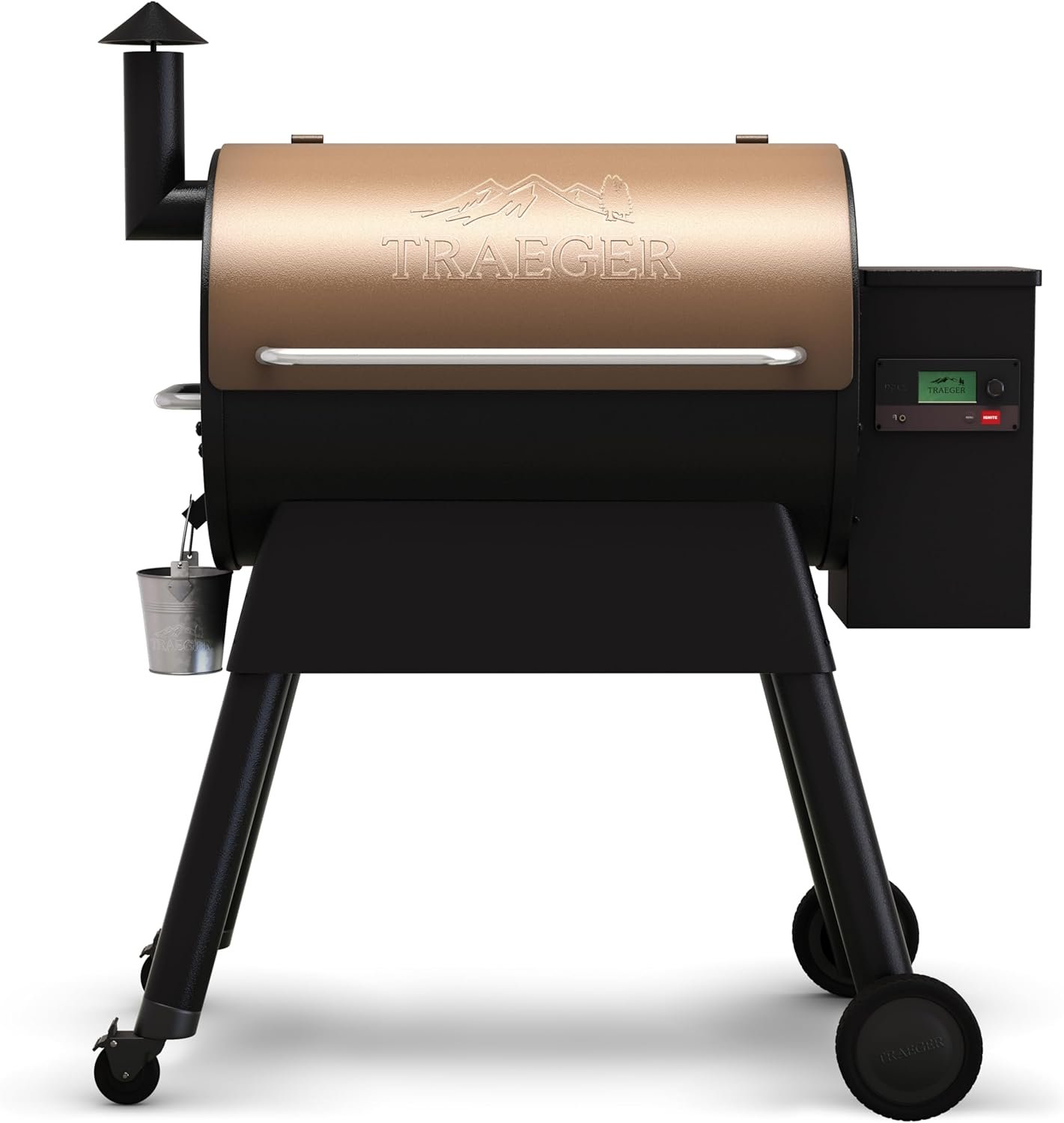
Selecting the right grill or smoker is a critical decision for any outdoor cooking enthusiast. Whether you’re preparing a casual backyard meal or hosting a large gathering, the performance, versatility, and durability of your equipment directly impact the quality of your results. Modern grilling and smoking equipment must balance fuel efficiency, temperature control, and cooking capacity to meet the demands of diverse culinary styles. The Traeger Pro 780 represents a significant advancement in wood pellet smoker technology, offering a 6-in-1 cooking solution that combines grilling, smoking, baking, roasting, braising, and BBQ in a single unit. This review evaluates the Pro 780’s performance across key metrics, including fuel type impact, temperature range, heat distribution, and ease of maintenance. By analyzing its specifications and aggregated customer feedback, we provide a data-driven assessment of its suitability for different cooking styles and user profiles. For those prioritizing wood-fired flavor and smart connectivity, the Pro 780 presents a compelling option. However, its design and functionality may not align with all cooking preferences, making it essential to understand its strengths and limitations before making a purchase decision.
Quick Overview
| Feature | Details |
|---|---|
| Grill or Smoker Type | Wood Pellet Smoker Grill |
| Fuel Type | Wood Pellet |
| Total Cooking Area | 780 sq. in. |
| Temperature Range | 165°F–500°F |
| Materials and Construction | Powder-coated steel, alloy steel |
| Control System | Digital temperature control |
| Best Suited Cooking Styles | Grilling, smoking, baking, roasting, braising, BBQ |
| Intended Use Cases | Family gatherings, holiday BBQ, everyday outdoor cooking |
| Warranty | Manufacturer’s standard warranty |
The Traeger Pro 780’s combination of wood pellet fuel, large cooking surface, and digital temperature control makes it ideal for users who value consistent heat distribution and precise temperature management. Its powder-coated steel construction and all-terrain wheels ensure durability and mobility, while the 18-lb hopper supports extended cooking sessions. These features collectively enhance its suitability for both casual and frequent use, particularly for those seeking a versatile, wood-fired cooking experience.

Cooking Versatility and Multi-Functionality
The Traeger Pro 780’s 6-in-1 cooking capabilities represent a significant advantage for users who want a single unit to handle multiple cooking styles. This design allows for seamless transitions between grilling, smoking, baking, roasting, braising, and BBQ, reducing the need for multiple appliances. The wood pellet fuel system ensures consistent flavor infusion across all cooking modes, while the digital temperature control maintains precision within a wide range of 165°F to 500°F. This versatility is particularly beneficial for users who prefer to prepare a variety of dishes in one session, such as smoking ribs while grilling burgers or roasting vegetables. However, the Pro 780’s multi-functionality requires users to understand how each cooking mode affects heat distribution and fuel consumption. For instance, baking and roasting may demand different airflow settings compared to smoking, which could influence the overall cooking time and energy efficiency. While the unit’s convection cooking system helps maintain even heat, users must adjust settings to optimize results for each specific cooking style.

6-in-1 Cooking Modes and Fuel Efficiency
The Pro 780’s ability to perform six distinct cooking functions is a standout feature, particularly for users who prioritize space efficiency and versatility. The wood pellet fuel system provides a unique flavor profile compared to gas or charcoal, making it ideal for those seeking a smoky, wood-fired taste. However, the fuel type also impacts energy efficiency, as wood pellets require more frequent refilling compared to gas. The 18-lb hopper offers extended use, but users should consider the hopper’s weight and the need for regular maintenance. Additionally, the Pro 780’s convection cooking system enhances heat distribution, but it may not match the precise temperature control of dedicated gas grills for certain applications. For users who frequently switch between cooking modes, the Pro 780’s adaptability is a strong advantage, though it requires careful management of fuel and airflow settings to achieve optimal results.
Temperature Range and Heat Distribution
The Pro 780’s temperature range of 165°F to 500°F accommodates a wide array of cooking needs, from low-and-slow smoking to high-heat searing. This range is particularly beneficial for users who want to prepare both slow-cooked dishes and quick sears in the same session. The D2 Direct Drive system and TurboTemp ignition contribute to rapid heating and stable temperature maintenance, ensuring consistent results. However, the unit’s heat distribution may vary depending on the cooking mode and airflow adjustments. For example, baking and roasting may require different airflow settings to prevent hot spots, while smoking demands a more controlled environment. Users should be aware that the Pro 780’s performance in specific temperature ranges may depend on the type of food being cooked and the desired outcome. The integrated meat probe helps monitor internal temperatures without opening the lid, but its effectiveness is contingent on the accuracy of the unit’s temperature sensors and the user’s ability to interpret the data.
Compatibility with Traeger Accessories
The Pro 780’s compatibility with a range of Traeger accessories enhances its versatility and functionality. Accessories such as drip tray liners, grill covers, and pellet storage bins allow users to customize their setup for different cooking styles. For instance, a drip tray liner can help manage drippings during roasting, while a grill cover provides protection during storage. However, the necessity of these accessories may depend on the user’s cooking habits and preferences. While the included accessories add value, they may also increase the overall cost and complexity of the setup. Users who prioritize a streamlined, no-frills experience may find the additional accessories unnecessary, whereas those who value customization and enhanced performance may appreciate the added flexibility. The Pro 780’s design allows for easy integration of these accessories, but the effectiveness of each item depends on how they are used in conjunction with the unit’s features.
Fuel Efficiency and Temperature Control Precision
The Traeger Pro 780’s fuel efficiency is a key consideration for users who prioritize cost-effectiveness and sustainability. The wood pellet fuel system provides a consistent source of heat, but it requires regular refilling and maintenance. The 18-lb hopper offers extended use, but users should be aware that the fuel consumption rate can vary based on the cooking mode and temperature settings. For example, high-heat searing may consume more pellets than low-and-slow smoking, which could impact the overall efficiency. The D2 Direct Drive system and TurboTemp ignition contribute to faster heating and stable temperature maintenance, but the unit’s fuel efficiency may still be influenced by external factors such as ambient temperature and wind conditions. Users should also consider the environmental impact of wood pellets, as they are a renewable resource but may have a higher carbon footprint compared to gas or electric options. While the Pro 780’s fuel efficiency is generally reliable, its performance may vary depending on the user’s specific cooking requirements and environmental conditions.

Digital Temperature Control and Consistency
The Pro 780’s digital temperature control system is a critical component for achieving consistent cooking results. The D2 Direct Drive and TurboTemp ignition ensure rapid heating and stable temperature maintenance, which is essential for both grilling and smoking. However, the unit’s temperature control may require periodic calibration to maintain accuracy, particularly when switching between different cooking modes. The integrated meat probe helps monitor internal temperatures without opening the lid, but its effectiveness depends on the unit’s sensors and the user’s ability to interpret the data. For users who rely on precise temperature control, the Pro 780’s system is generally reliable, though it may not match the precision of dedicated gas grills for certain applications. The ability to adjust temperature settings remotely via the WiFIRE app adds convenience, but users should be aware that the app’s accuracy and connectivity can be influenced by factors such as Wi-Fi signal strength and software updates.
Heat Distribution and Airflow Management
The Pro 780’s heat distribution and airflow management are essential for achieving even cooking results across its 780 sq. in. cooking surface. The convection cooking system helps maintain consistent heat, but users must adjust airflow settings to optimize performance for different cooking styles. For example, baking and roasting may require a more controlled airflow environment to prevent hot spots, while smoking demands a more open airflow to allow for proper smoke circulation. The unit’s design allows for some degree of customization, but the effectiveness of these adjustments depends on the user’s understanding of how airflow impacts heat distribution. While the Pro 780’s performance in this regard is generally reliable, users who prioritize precise heat control may need to experiment with different settings to achieve the best results. The integrated meat probe and temperature monitoring features provide additional support, but they cannot replace the user’s ability to manage airflow and heat distribution effectively.
Durability and Maintenance Requirements
The Traeger Pro 780’s durability and maintenance requirements are important factors for users who prioritize long-term reliability and ease of upkeep. The powder-coated steel construction and all-terrain wheels contribute to the unit’s resilience against outdoor elements, making it suitable for year-round use. However, the 18-lb hopper and wood pellet fuel system may require more frequent maintenance compared to gas or electric grills, particularly in terms of cleaning and refilling. The hopper clean-out system simplifies the process of changing pellets, but users should still be prepared for regular maintenance to ensure optimal performance. The unit’s design allows for easy access to key components, but the complexity of the fuel system may make certain maintenance tasks more time-consuming. For users who value minimal upkeep, the Pro 780’s maintenance requirements may be a drawback, though its durability ensures that the unit remains functional for an extended period with proper care.

Longevity and Expected Lifespan
The Pro 780’s expected lifespan is influenced by its construction materials and the frequency of use. The powder-coated steel and alloy steel components are designed to withstand outdoor conditions, but the wood pellet fuel system may introduce wear and tear over time. Users who operate the unit regularly may need to replace parts such as the auger or temperature sensors, which can affect the unit’s long-term reliability. While Traeger’s reputation for durability is well-established, the Pro 780’s performance may degrade if maintenance is neglected. The unit’s design allows for easy access to critical components, which can help prolong its lifespan, but the complexity of the fuel system may require more advanced maintenance skills. For users who prioritize longevity and minimal maintenance, the Pro 780’s durability is a strong selling point, though it may not match the low-maintenance requirements of gas or electric grills.
Cleaning and Maintenance Ease
The Pro 780’s cleaning and maintenance ease is a crucial consideration for users who want to minimize the time and effort required for upkeep. The unit’s design includes features such as the hopper clean-out system and drip tray liners, which simplify the process of removing debris and residue. However, the wood pellet fuel system may leave behind ash and residue, requiring regular cleaning to prevent buildup. The powder-coated steel construction is resistant to rust and corrosion, but users should still be aware of the need for periodic maintenance to ensure optimal performance. The unit’s accessibility allows for easy cleaning of key components, but the complexity of the fuel system may make certain tasks more time-consuming. For users who prioritize ease of maintenance, the Pro 780’s design offers some advantages, though it may not match the simplicity of gas or electric grills in terms of cleaning requirements.
Pros & Cons
Pros
- Large Cooking Capacity: The 780 sq. in. cooking surface accommodates up to 34 burgers, 6 whole chickens, or 6 racks of ribs, making it ideal for family gatherings and large events.
- Digital Temperature Control: The D2 Direct Drive and TurboTemp ignition system ensure rapid heating and stable temperature maintenance, which is crucial for consistent cooking results.
- Smart Connectivity: The WiFIRE app allows remote temperature adjustments and recipe access, enhancing convenience and control for users who prefer digital management.
- Versatile Cooking Modes: The 6-in-1 functionality supports grilling, smoking, baking, roasting, braising, and BBQ, offering flexibility for different culinary styles.
- Durable Construction: Powder-coated steel and alloy steel components provide long-term resilience against outdoor elements, ensuring the unit remains functional for extended periods.
- Integrated Meat Probe: The built-in probe allows users to monitor internal food temperatures without opening the lid, reducing heat loss and improving cooking precision.
- Compatibility with Accessories: The unit’s design allows for easy integration with Traeger accessories, enhancing customization and performance for various cooking needs.
- Convection Cooking System: The convection system helps maintain even heat distribution, which is beneficial for achieving consistent results across the cooking surface.
Cons
- Fuel Efficiency Considerations: The wood pellet fuel system requires more frequent refilling and maintenance compared to gas or electric options, which may impact convenience and cost.
- Maintenance Requirements: The 18-lb hopper and wood pellet system may necessitate more regular cleaning and maintenance to ensure optimal performance and longevity.
- Airflow Management Complexity: Users must adjust airflow settings for different cooking modes, which may require a learning curve to achieve consistent heat distribution.
- Weight and Portability: The 166.7-pound unit is relatively heavy, which may make mobility and storage more challenging for some users.
- Limited Low-Temperature Settings: While the temperature range is broad, the unit’s performance at lower temperatures may not match the precision of dedicated smokers for certain applications.
- App Dependency: The WiFIRE app’s functionality relies on Wi-Fi connectivity, which may be a limitation in areas with poor signal strength or during power outages.
Final Verdict: Who This Grill or Smoker Is Best For (and Who Should Skip It)
The Traeger Pro 780 is best suited for users who prioritize wood-fired flavor and multi-functionality in their outdoor cooking. Its large cooking surface, digital temperature control, and smart connectivity make it ideal for family gatherings, holiday BBQs, and everyday use. The unit’s versatility in handling multiple cooking styles is a significant advantage for those who want to prepare a variety of dishes in one session. However, its wood pellet fuel system and maintenance requirements may not align with users who prefer gas or electric options for greater convenience and lower upkeep. Additionally, the Pro 780’s weight and the need for regular fuel refills may be drawbacks for those seeking a lightweight, low-maintenance solution. While the unit’s durability ensures long-term reliability, its performance in specific temperature ranges may not match the precision of dedicated smokers or gas grills. Overall, the Pro 780 is a strong choice for users who value wood-fired flavor and a versatile, high-capacity cooking experience, but it may not be the best fit for those prioritizing simplicity or alternative fuel types.

Frequently Asked Questions (FAQs)
What is the temperature range of the Traeger Pro 780?
The Traeger Pro 780 operates within a temperature range of 165°F to 50,000°F, allowing for versatile cooking modes such as grilling, smoking, baking, roasting, braising, and BBQ. This range supports both low-and-slow smoking and high-heat searing, making it suitable for a wide array of culinary applications.
How does the Traeger Pro 780’s fuel efficiency compare to gas or electric grills?
The Traeger Pro 780 uses wood pellets as fuel, which provide a unique wood-fired flavor but require more frequent refilling compared to gas or electric grills. The 18-lb hopper supports extended cooking sessions, but users should consider the higher maintenance and fuel cost compared to gas or electric options.
Can the Traeger Pro 780 handle multiple cooking styles in one session?
Yes, the Pro 780’s 6-in-1 functionality allows users to switch between grilling, smoking, baking, roasting, braising, and BBQ seamlessly. This versatility is ideal for preparing a variety of dishes in one session, though users may need to adjust airflow settings for optimal results in each mode.
What is the weight and mobility of the Traeger Pro 780?
The Traeger Pro 780 weighs 166.7 pounds and is equipped with all-terrain wheels for mobility. While this makes it stable and durable, the weight may make transport and storage more challenging compared to lighter, more compact grills.
How does the Traeger Pro 780’s digital temperature control work?
The Pro 780 features a D2 Direct Drive system and TurboTemp ignition, which ensure rapid heating and stable temperature maintenance. Users can adjust temperatures remotely via the WiFIRE app, though the system’s accuracy may depend on the unit’s sensors and environmental factors.
What maintenance is required for the Traeger Pro 780?
Regular cleaning of the hopper and cooking surface is necessary to prevent residue buildup, and the hopper clean-out system simplifies pellet changes. However, the wood pellet fuel system may require more frequent maintenance compared to gas or electric grills, particularly for long-term use.
Is the Traeger Pro 780 suitable for all-season use?
The Pro 780’s powder-coated steel construction and all-terrain wheels make it suitable for year-round outdoor use. However, users should be aware of the need for regular maintenance and fuel refills, which may impact its usability in extreme weather conditions.
What accessories are compatible with the Traeger Pro 780?
The Pro 780 is compatible with a range of Traeger accessories, including drip tray liners, grill covers, and pellet storage bins. These accessories enhance customization and performance but may add to the overall cost and complexity of the setup.