Traeger Tailgater 20 Review: Best Portable Pellet Grill
Choosing the Right Portable Pellet Grill
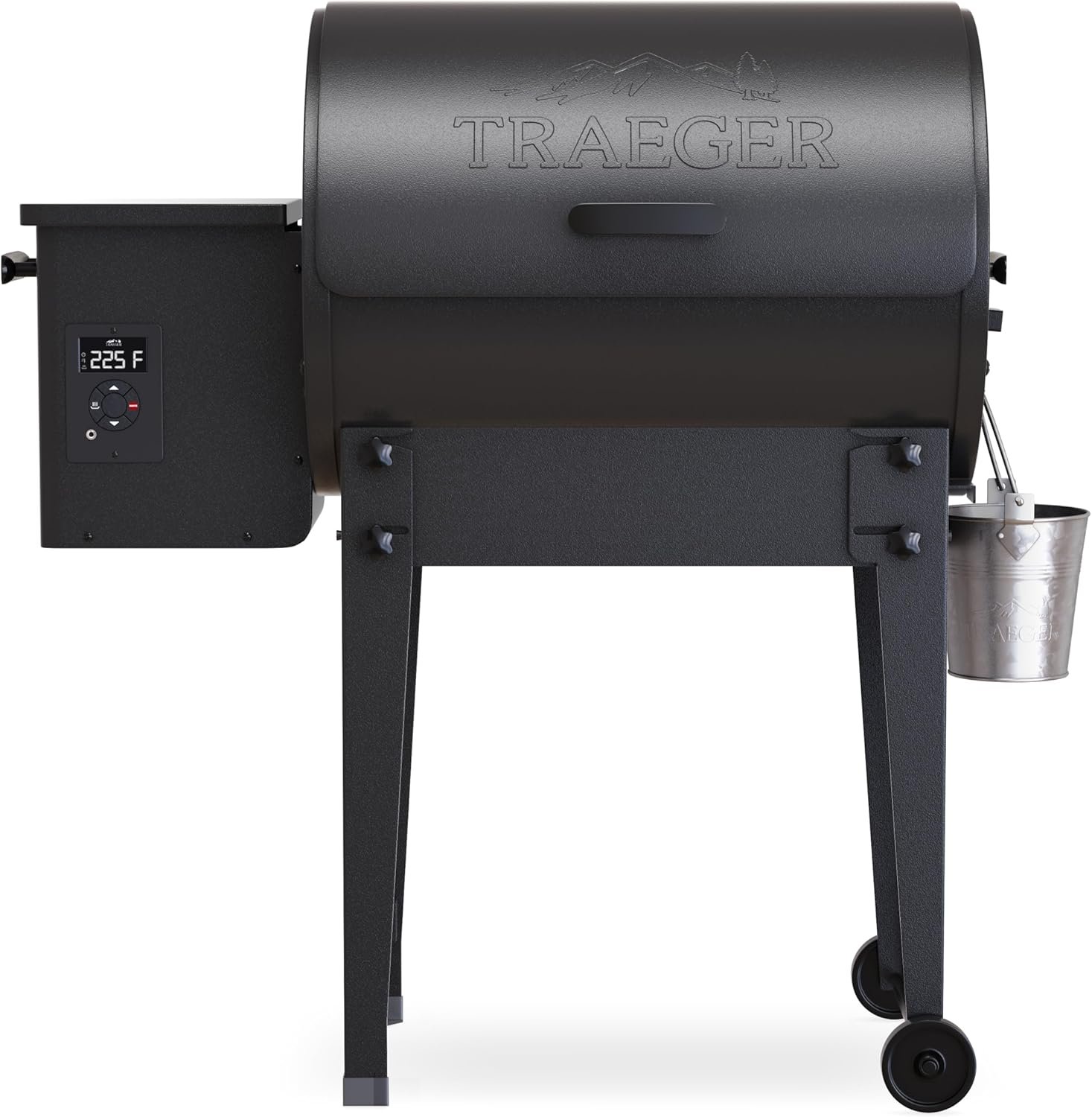
Selecting a portable pellet grill hinges on matching cooking goals, fuel preferences, and site constraints. Compact pellet grills aim to combine wood-fired flavor with the convenience of electric ignition and precise electronic temperature control; buyers seeking authentic smoke notes without gas or charcoal should weigh pellet availability, hopper capacity, and power requirements. For tailgating, camping, and small outdoor gatherings, key decision drivers include cooking versatility (smoke, grill, bake, roast, braise, sear), temperature stability across the 180–450°F band, and how heat is distributed across the 300 square-inch cooking surface. Durability and maintenance expectations also shape long-term ownership: materials such as alloy steel and porcelain-coated grates affect corrosion resistance and cleaning, while features like foldable legs and an 8-pound hopper determine transportability and pellet run time. Understanding these attributes helps align the Traeger Tailgater 20 with specific user profiles and cooking styles without assuming professional or hands-on testing.
Quick Overview
| Feature | Details |
|---|---|
| Grill type | Portable electric wood pellet grill and smoker |
| Fuel type | Wood pellets (electric auger and 120V AC power) |
| Total cooking area | 300 sq. in. |
| Temperature range | 180–450°F (Digital Arc Controller, +/- 15°F) |
| Materials & construction | Alloy steel body, porcelain-coated grill grates, foldable legs |
| Control system | Digital Arc Controller (electronic temperature control) |
| Best suited cooking styles | Smoking, grilling, baking, roasting, braising, searing |
| Intended use cases | Tailgating, camping, small backyard gatherings, portable outdoor cooking |
| Warranty | See manufacturer disclosures |
The Tailgater 20’s combination of a 300-square-inch cooking area, a digital controller, and pellet fuel makes it suitable for small-group meals where wood-smoke flavor is desired without charcoal or gas. The foldable legs and 8-pound hopper prioritize portability and medium-duration cooks, while the 180–450°F range supports a wide range of techniques from low-and-slow smoking to higher-temperature searing when used within the unit’s upper limit.

Temperature Control Precision and Cooking Versatility
Temperature stability and control are primary determinants of whether a pellet grill will meet a cook’s expectations for smoking and searing. The Tailgater 20 uses Traeger’s Digital Arc Controller with an advertised precision within 15°F of the set point across a 180–450°F range. For low-and-slow smoking, that level of regulation supports steady smoke generation and gentle heat transfer; for higher-heat tasks like searing, the top end approaches the temperatures commonly used for finishing, although the maximum is below the peak sear temperatures of dedicated gas or charcoal sear boxes. Electronic controls paired with pellet feed mechanisms allow set-and-forget style cooks, but users should anticipate some temperature variance during wind, cold ambient conditions, or frequent lid opening that affect internal heat retention.

Controller behavior and set-point accuracy
The Digital Arc Controller governs pellet feed, fan speed, and ignition cycles to maintain a target temperature; manufacturer disclosures indicate a tolerance of approximately 15°F from the set point. Electronic feedback loops modulate pellet delivery in response to temperature fluctuations, which supports stable smoke production for long cooks. However, control systems on compact portable units often have smaller thermal mass and faster thermal shifts than larger grills; therefore, short-term overshoot or undershoot can occur during rapid ambient changes or when large cold items are introduced. Planning for gradual preheat and minimal lid openings reduces variance and improves repeatability for smoking and baking.
Cooking technique suitability across the 180–450°F range
The stated 180–450°F range covers most smoking and indirect grilling applications: 180–250°F for classic low-and-slow barbecue, 275–325°F for roasting and baking, and 350–450°F for grilling and finishing. The upper range supports crust development for proteins when searing is moderate, but achieving a restaurant-style hard sear that requires 500°F+ is unlikely without additional external sear tools. For cooks prioritizing smoke infusion and multi-function versatility (smoke, roast, bake, braise), the Tailgater’s range and electronic regulation provide a flexible platform, while those requiring sustained high-heat searing should plan to pair it with a separate sear method or accept surface temperature limitations.
Fuel Type, Pellet Efficiency, and Flavor Impact
Wood pellets as a fuel deliver combusted wood flavor and simplified ash removal compared with lump charcoal, with the convenience of electric ignition and automated pellet feeding. The Tailgater 20’s 8-pound hopper and auger-fed pellet system create a steady fuel feed that supports consistent combustion and smoke generation for moderate-length cooks. Pellet efficiency depends on set temperature, ambient conditions, and load size; lower temperature smoking conserves pellets, while higher temperatures increase pellet draw rate. Pellet composition (species blends such as hickory, mesquite, or hardwood blends) impacts flavor intensity and smoke character—lighter species produce subtler notes while stronger woods impart bolder profiles. Because the unit requires 120V AC for the auger and fan, availability of electricity at the cook site affects feasibility compared with gas or charcoal setups.

Pellet consumption rates and hopper capacity considerations
An 8-pound hopper limits uninterrupted run time compared with larger home pellet grills, making pellet management a practical consideration on multi-hour cooks. Pellet burn rate increases with higher set points and when the fan cycles more frequently to stabilize temperature, so low-and-slow sessions at 180–225°F will use pellets more slowly than 400–450°F cooks. For tailgating and shorter camping sessions, the hopper size balances portability with sufficient fuel for several typical meals; for extended smoking sessions or multiple full racks, carrying supplemental pellets or planning reloads is advisable. Pellet quality and moisture content also affect auger performance and combustion efficiency.
Flavor outcomes versus gas and charcoal alternatives
Pellet systems deliver a more consistent wood-smoke profile than gas and are simpler to manage than charcoal for maintaining steady cook temperatures. Compared to lump charcoal, pellets produce a cleaner, more controllable smoke with fewer large volatile compounds, which can result in milder smoke intensity and less soot buildup. Compared with gas, the pellet approach introduces genuine wood-derived flavor rather than the indirect smoky suggestion that gas smokers offer. Users who prioritize strong, traditional charcoal smoke may find pellets produce a different, often cleaner smoke character; preference for flavor intensity may dictate pellet type and cook duration.
Heat Distribution, Airflow, and Cooking Performance
Heat distribution and airflow design determine how evenly food cooks across the surface and how effectively smoke circulates for flavor infusion. The Tailgater 20’s compact cooking chamber and porcelain-coated grates create a relatively shallow thermal profile compared with larger barrel-style smokers; this generally aids rapid heating but can produce hotter zones near the firebox and cooler zones toward the lid. The built-in fan and auger-pellet delivery modulate airflow to maintain combustion, but the small chamber size means that lid openings, ambient wind, and load placement have a pronounced effect on localized temperatures. For even results, strategic placement of items and rotating trays or racks during longer cooks can mitigate hot spots. The grill’s design supports indirect heat smoking and direct grilling within its heat ceiling.

Chamber geometry and placement strategies for even cooking
A smaller, compact chamber yields less thermal mass and quicker response to controller adjustments but increases sensitivity to uneven heat distribution. Placing larger, heat-dense items closer to the center or the middle of the grates and positioning more delicate items higher or farther from the heat source helps balance cooking. Using a diffuser or heat deflector, when available for the model, can broaden the heat footprint and reduce direct hotspots. For multi-protein cooks, grouping similar items together and staggering load times allows more uniform outcomes across the 300-square-inch area, while frequent lid checks should be minimized to preserve chamber stability.
Airflow management and smoke retention in a portable unit
The auger-fed pellet and fan system controls combustion air and smoke exhaust, which encourages consistent smoke generation but also creates continuous airflow that can push smoke through the chamber faster than passive systems. This can be advantageous for maintaining clean combustion and stable temps, yet it may reduce dwell time for smoke on the surface compared with slower, low-flow smokers. For stronger smoke penetration, extended low-temperature cooks or strategic use of heavier-flavored pellets are effective. Wind and ambient temperature impact the unit’s exhaust dynamics; situating the grill in a sheltered area reduces draft-related variability.
Cooking Capacity, Portability, and Practical Use Cases
Cooking capacity and portability often trade off against each other; a 300 sq. in. cooking surface accommodates most small-group meals—roughly a dozen burgers, two whole chickens, or several racks of ribs in staggered batches—while keeping the unit light enough for transport. The foldable-leg design and 60-pound item weight make the Tailgater 20 more portable than full-size pellet grills but heavier than many tabletop charcoal or gas alternatives. The 120V power requirement and hopper size affect camping and tailgating logistics; access to shore power, a portable generator, or an inverter-capable vehicle will determine site suitability. For backyard hosts, the unit functions as a compact secondary grill; for tailgaters and campers with electrical access, it offers wood-fired flavor with simplified control and a modest cargo footprint.

Transport, setup, and storage trade-offs
Foldable legs and a compact footprint reduce storage space and enable transport in mid-size vehicles, though the 60-pound weight requires two-person handling for safety and convenience. The 120V AC cord simplifies setup where power is available but introduces dependency on electricity that charcoal and gas competitors do not. The porcelain-coated grates reduce cleaning time after cooks, improving turnaround when space and time are limited. Storage considerations include protecting the alloy steel body from prolonged exposure to moisture and salt air to reduce corrosion risk; a suitable cover and dry storage extend service life and maintain appearance.
Meal planning and capacity management for groups
With 300 sq. in., the grill suits meals for small groups or staged cooking for larger gatherings. Planning by staggering items—smoking ribs low and slow first, then finishing steaks at higher temperatures—optimizes surface usage. The hopper and pellet consumption patterns affect how many consecutive meals can be prepared without refilling; carrying additional pellets and scheduling reloads between courses supports longer events. For users who frequently cook for larger crowds or prefer continuous high-heat searing stations, combining the Tailgater with a secondary heat source may be preferable.
Construction, Durability, and Maintenance Requirements
Materials and construction choices influence longevity and maintenance frequency for portable grills. The Tailgater 20’s alloy steel body and porcelain-coated grates offer a balance of weight, heat conduction, and corrosion resistance suitable for portable use. Porcelain coating on grates simplifies cleanup and reduces sticking, while alloy steel enclosures provide structural rigidity without the heavier mass of cast iron or thicker steel used in larger grills. Maintenance tasks—ash removal from the firepot, periodic pellet hopper cleaning to prevent bridging, and inspection of electrical connections and auger—are important to sustain performance. Exposure to harsh environments or road salt accelerates corrosion, so protective storage and routine care influence overall lifespan.

Routine maintenance tasks and serviceability
Recommended maintenance for pellet grills typically includes emptying ash and unburned pellet residue after extended use, wiping down porcelain-coated grates, inspecting the auger for jamming or pellet dust accumulation, and ensuring the fan and electrical components remain dry and undamaged. Following manufacturer-recommended cleaning intervals and using dry, high-quality pellets reduces the chance of feeding issues and extends component life. Because the Tailgater is a compact, integrated design, serviceability depends on component access; familiarizing oneself with the owner’s manual and manufacturer support resources improves troubleshooting and parts replacement speed.
Expected lifespan considerations and durability trade-offs
Durability expectations depend on frequency of use, storage conditions, and maintenance diligence. Alloy steel and porcelain coatings resist routine wear, but thinner portable panels will dent or warp sooner under heavy use compared with heavier, full-size grills constructed from thicker gauge steel. Electrical components—controller, fan, and auger motor—are serviceable parts that define long-term functionality; protecting these from moisture and mechanical shock helps preserve operation. For users seeking a long-term primary grill for frequent backyard use, a heavier, higher-capacity model may offer longer natural service life, while the Tailgater suits users prioritizing mobility and occasional to moderate usage.
Pros & Cons
Pros
- Portable, wood-fired flavor with electric convenience: The pellet-and-electric system combines authentic wood-smoke character with the convenience of electronic ignition and automated pellet feed, delivering consistent smoke profiles without gas or charcoal handling.
- Broad cooking versatility: The 180–450°F temperature band and 6-in-1 function list (smoke, grill, bake, roast, braise, sear) enable a wide range of techniques from low-and-slow smoking to moderate searing and roasting.
- Digital temperature control: The Digital Arc Controller maintains temperatures within roughly 15°F of set points, supporting steady smoke production and more predictable cook outcomes compared with manual pellet or charcoal approaches.
- Compact yet functional cooking area: The 300 sq. in. surface accommodates common small-group meals—multiple burgers, a couple of whole chickens, or several racks of ribs—while remaining transportable.
- Foldable legs and manageable footprint: The foldable design and moderate weight improve transport and storage compared with full-size pellet grills, making it suitable for tailgating and camping with available power.
- Porcelain-coated grates for easier cleanup: Porcelain coating reduces sticking and simplifies post-cook maintenance relative to bare steel grates.
Cons
- Dependence on 120V power: The auger and fan require AC power, limiting use in off-grid situations without a generator, inverter, or shore power access.
- Limited hopper capacity for extended cooks: The 8-pound hopper balances portability with runtime but may require pellet refills for multi-hour smoking projects or multiple full-batch cooks.
- Upper temperature ceiling below dedicated sear boxes: The 450°F maximum supports moderate searing but does not reach the higher surface temperatures achieved by dedicated gas or charcoal searing setups.
- Sensitivity to ambient conditions and lid openings: The compact chamber’s lower thermal mass means wind, cold weather, and frequent lid checks can produce more pronounced temperature fluctuations compared with larger pellet grills.
- Portable-panel durability trade-offs: Alloy steel and lighter-gauge panels prioritize weight savings, which can be more susceptible to dents or deformation under heavy transport or rough handling.
Final Verdict: Who This Grill or Smoker Is Best For (and Who Should Skip It)
The Traeger Tailgater 20 is best suited to buyers who prioritize portable wood-fired flavor with electronic temperature control for tailgating, campsite cooking with power access, or small backyard gatherings. Its 300-square-inch cooking surface, Digital Arc Controller, and 180–450°F range offer flexible technique support—ideal for cooks wanting reliable smoke infusion, roasting, baking, and moderate searing without the logistics of charcoal or the scent-neutral profile of gas. The foldable-leg design and 8-pound hopper balance transport convenience with mission-critical fuel capacity for typical short-to-moderate-length events.
This unit is less suitable for users who require off-grid operation without a generator, repeatedly need extended multi-hour low-and-slow sessions without refilling pellets, or demand high-end searing above 500°F. Those seeking a permanent, heavy-duty primary backyard grill with maximal thermal mass and heavy-gauge construction may prefer a larger, full-feature pellet or charcoal system. For 2026 buyers looking for a portable, electrically powered pellet grill that emphasizes wood-smoke flavor and controlled cooking for small groups, the Tailgater 20 represents a practical compromise between mobility and capability.
Frequently Asked Questions (FAQs)
How hot does the Traeger Tailgater 20 get and is it good for searing?
The Traeger Tailgater 20’s temperature range is 180–450°F per manufacturer specifications. That range supports smoking, roasting, baking, and moderate searing. For high-temperature searing that requires surface temperatures above 500°F, the Tailgater’s upper limit is lower than dedicated sear boxes or some gas/charcoal setups; pairing with a separate high-heat searing tool is an option for cooks who need intense crust development.
Can the Tailgater 20 run on battery power or is electricity required?
The Tailgater 20 requires 120V AC power to run the auger, fan, and Digital Arc Controller, according to product specifications. For off-grid use, a generator or inverter-equipped vehicle is necessary to provide the required AC power. The unit does not operate solely on battery power without an appropriate external power source.
How long will an 8-pound pellet hopper last on the Tailgater 20?
Hopper run time depends on set temperature, ambient conditions, and cooking load. Lower-temperature smoking at 180–225°F will consume pellets more slowly, allowing multiple hours of cooking from an 8-pound hopper. Higher-temperature cooks and frequent temperature corrections increase pellet draw rate; for extended multi-hour sessions, carrying supplemental pellets or planning reloads is advisable.
Is the Traeger Tailgater 20 easy to clean and maintain?
The Tailgater 20 uses porcelain-coated grates, which reduce sticking and simplify surface cleaning. Routine maintenance includes emptying ash and pellet dust from the firepot, cleaning the hopper to prevent bridging, wiping down grates, and protecting electrical components from moisture. Regular care and following manufacturer maintenance guidance help maintain performance and extend component life.
How does pellet smoke flavor compare to charcoal or gas on this model?
Pellet fuel produces combusted wood flavor that is typically cleaner and more consistent than charcoal smoke, and offers more authentic wood-derived notes than gas. Pellet smoke intensity can be milder than heavy-charcoal smoke; selecting stronger wood species or longer smoke exposure increases flavor impact. The Tailgater 20’s pellet-and-electric system favors controllable, repeatable smoke profiles over large, robust charcoal smoke bursts.
Is the cooking surface large enough for small gatherings?
The stated 300 square inches of cooking area accommodates typical small-group meals—examples include up to a dozen burgers, a couple of whole chickens, or staggered racks of ribs. For larger events, the surface is best used with staged cooking or by supplementing with a secondary heat source; planning and staggered cooking optimize throughput for group service.
What are common durability concerns with portable pellet grills like the Tailgater 20?
Durability considerations for portable pellet grills include susceptibility to dents or deformation from rough transport due to lighter-gauge panels, potential corrosion from exposure to moisture or salt air, and wear on electrical components like the auger and fan. Regular cleaning, dry storage, and protective covers reduce accelerated wear and extend service life.