Weber Master-Touch 22 Charcoal Grill Review: Performance
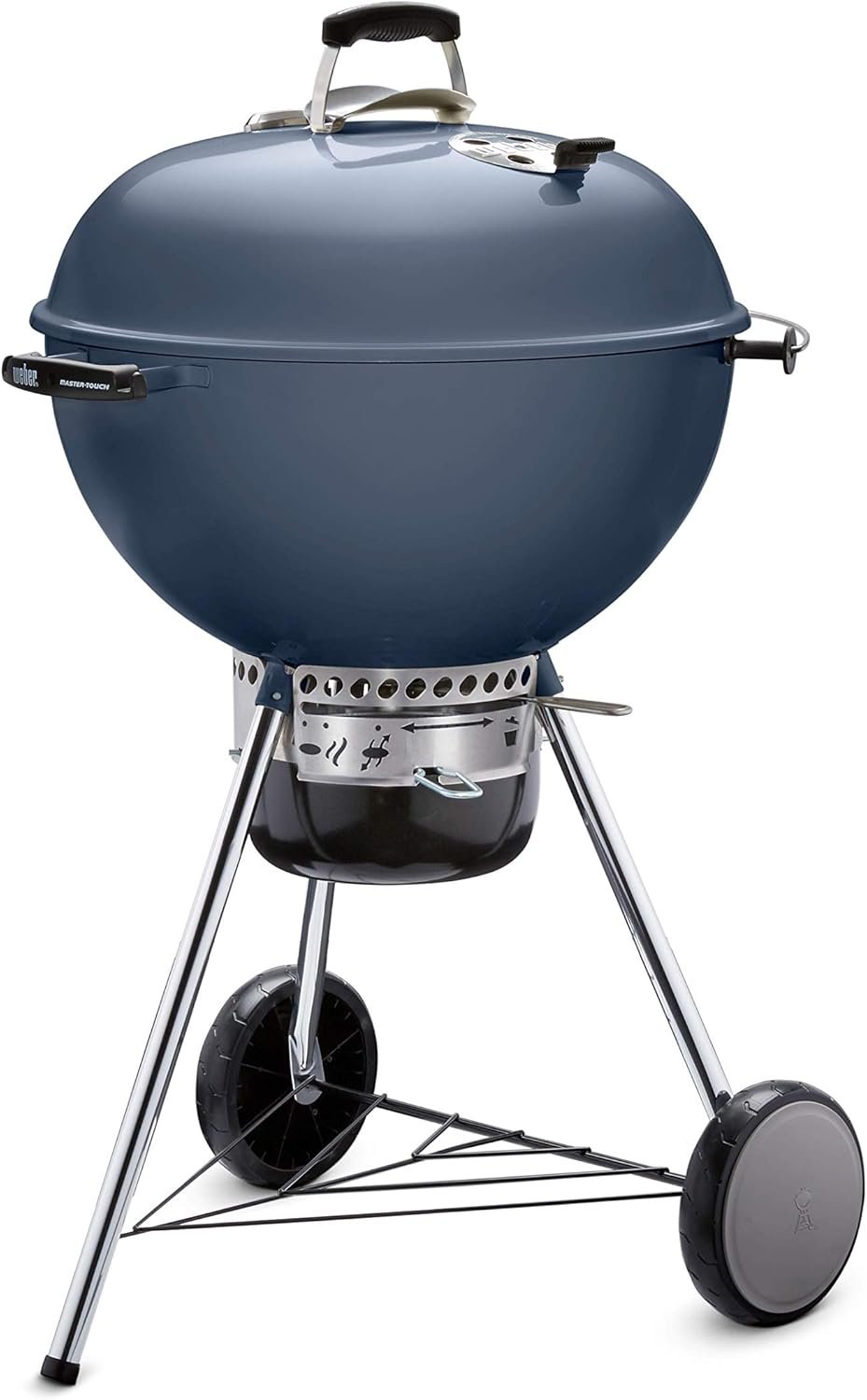
Why grill selection matters for charcoal-focused backyard cooking
Selecting a grill shapes what can be cooked, how reliably temperature is held, and how much time is spent on maintenance. Buyers who prefer charcoal want a balance between traditional smoky flavor and predictable thermal behavior; the Weber Master-Touch 22 is positioned as a classic kettle that integrates convenience features without changing charcoal fundamentals. Decision factors for this category include fuel management, heat distribution across the primary cooking area, accessory compatibility for varied cook styles, and the ease of ash removal and cleanup. Durability and finish affect long-term performance when exposed to outdoor conditions, while warranty and manufacturer materials indicate expected lifespan. For shoppers evaluating grills for searing, low-and-slow smoking, or weekend batch grilling, understanding how design elements—like porcelain-enameled steel, charcoal baskets, and the Gourmet BBQ System—translate to temperature control, cooking versatility, and maintenance burden is essential to match the product to intended use.
Quick Overview
| Feature | Details |
|---|---|
| Grill type | Charcoal kettle grill |
| Fuel type | Charcoal (briquettes, lump charcoal) |
| Total cooking area | 3000 square centimeters (primary grate) |
| Temperature control | Manual vents (top and bottom), Char-Baskets for fuel placement |
| Materials & finish | Porcelain-enameled lid and bowl, painted frame, steel handle |
| Control system | Fully manual (no electronics) |
| Best suited cooking styles | Direct grilling, indirect grilling, light smoking, searing |
| Intended use cases | Backyard grilling, occasional low-and-slow, versatile outdoor cooking |
| Warranty | 10-year limited warranty |
The feature set reflects a classic charcoal kettle approach with modern conveniences: the GOURMET BBQ SYSTEM-compatible grate widens accessory options, Char-Baskets simplify fuel layout, and the One-Touch cleaning system eases ash removal. These translate into a platform that supports both high-heat searing and indirect cooking setups while keeping maintenance tasks relatively straightforward for typical backyard use.

Heat management and temperature control
Temperature stability and control determine whether a charcoal grill functions well for searing, steady grilling, or extended indirect cooking. The Master-Touch uses a traditional bottom intake vent and a top exhaust vent combined with a domed, porcelain-enameled lid and bowl to retain and reflect heat. Char-Baskets concentrate fuel for direct searing or allow a split-level layout for indirect zones, while the hinged GBS grate simplifies adding charcoal mid-cook. Because the control system is fully manual, precise set-and-forget temperatures require attention to vent position and fuel quantity; however, the design supports common charcoal techniques like the two-zone method, minion or snake-style arrangements when using lump or briquettes, enabling users who understand airflow principles to manage low-and-slow cooking as well as quick, high-heat grilling.

Airflow and venting design
Airflow is managed through an adjustable bottom intake and a top vent that together create the draft necessary to sustain combustion and control temperature. The bottom vent supplies incoming oxygen and works in concert with the Char-Baskets, which alter how much fuel is exposed to airflow; opening the intake increases burn rate and top vent adjustment controls exhaust flow and smoke retention. Porcelain-enamel on the lid and bowl reduces heat loss, which can flatten temperature fluctuations caused by brief vent adjustments. Because vents are manually operated metal components, proficiency in incremental vent changes is required to hold narrow temperature bands for long cooks, but the components themselves provide the airflow range needed for typical charcoal techniques.
Temperature range and precision for searing and smoking
The Master-Touch supports a wide temperature span typical of kettle grills: very high direct-heat conditions suitable for searing and lower indirect ranges for roasting or smoking, depending on fuel arrangement. Precision is inherently coarser than that of gas or pellet systems because thermal input depends on charcoal type, pile size, and vent position rather than calibrated burners or digital controls. Nonetheless, the combination of a porcelain-enameled bowl for heat retention and Char-Basket fuel holders enables repeatable setups: concentrated baskets for high-heat cooking and offset or split baskets for steady indirect heat. Users should expect single-digit degree control to be challenging, but reliable mid-range stability is achievable with iterative vent adjustments and fuel management.
Cooking versatility and capacity
Capacity and accessory compatibility shape how many dishes and what types of cooking can be attempted in one session. The listed cooking area of 3000 square centimeters accommodates moderate batch sizes—commonly noted as room for around a dozen burgers—while the included warming rack expands staging and indirect space. GOURMET BBQ SYSTEM compatibility is a central versatility feature: the hinged GBS grate allows insertion of griddle, wok, or sear plates to broaden cook styles without replacing the main grill. This transforms a single kettle into a multi-function platform for tasks ranging from breakfast griddling to stir-fry style wok work. For users prioritizing multi-course or multi-method outdoor cooking, the accessory ecosystem increases flexibility without altering the charcoal-centric thermal behavior inherent to the platform.

GOURMET BBQ SYSTEM compatibility and accessory use
GBS compatibility is a practical design choice that converts a standard kettle into an integrated, modular cooking system. The hinged grate permits safe access to charcoal and creates a removable center for various inserts such as griddles, pizza stones, woks, and sear plates. This modularity supports a wider range of techniques—direct searing, pan-based breakfast items, and concentrated high-heat tasks—while maintaining the underlying charcoal flavor profile. The accessory options also alter heat dynamics locally: solid inserts concentrate radiant heat differently than open grate sections, so accessory use may require small adjustments to fuel arrangement and venting to achieve the desired surface temperature and prevent flare-ups from grease accumulation.
Cooking surface layout and practical batch capacity
A primary cooking area of 3000 square centimeters is sufficient for medium-sized gatherings and typical backyard meals; manufacturers note the ability to grill multiple burgers simultaneously with space left on the warming rack for buns or sides. The split-level basket system enables direct and indirect zones within the same footprint, which aids in multi-item timing—searing on the hot side while finishing thicker items on the cooler side. For high-volume or commercial-style throughput, the area is limiting, but for home cooks who prepare several items per session, the surface combined with the warming rack and GBS inserts offers practical versatility and staging options.
Fuel type implications and smoking potential
Charcoal fuel imparts flavor but demands deliberate management of burn rate and airflow. The Master-Touch is a charcoal-only platform; it accepts lump charcoal and briquettes and uses Char-Baskets to organize fuel for direct or indirect setups. Charcoal provides a broader temperature ceiling than typical electric grills and enables both intense sear temperatures and low smoky heat when fuel is arranged for indirect burning. Smoking small to moderate cuts is feasible using low-and-slow arrangements and by controlling vents to limit oxygen. However, precise long-duration smoke management requires periodic monitoring and potential charcoal replenishment since the system lacks automated feed or temperature regulation found in pellet smokers.

Charcoal behavior, fuel efficiency, and burn duration
Fuel efficiency depends on charcoal type, size of the initial pile, and vent management; lump charcoal typically lights faster and reaches higher peak temperatures but burns faster, while briquettes offer more uniform burn duration and steady heat output. Char-Baskets help concentrate and preserve fuel geometry, reducing scatter and enabling staged replenishment. The One-Touch cleaning system and ash catcher simplify post-cook ash removal, but during extended cooks, periodic addition of charcoal may be required to maintain low steady temps, particularly when using lump charcoal. Overall, the grill supports efficient short- to medium-duration cooks but requires manual fuel additions and vent adjustments for extended smoking sessions.
Smoking potential and indirect cooking setups
For smoking, the Master-Touch can be configured for two-zone or offset-style indirect heat using the Char-Baskets to segregate hot coals from the food zone, and the domed lid enables circulation of smoke around the cook. The lack of a built-in cold smoker box or integrated fuel feed means that establishing multi-hour low-temperature smokes relies on charcoal arrangement and supplemental wood chunks for smoke flavor. Temperature drift over long smokes will be influenced by ambient conditions and the cook’s attention to vents and fuel top-ups. For backyard enthusiasts who accept manual temperature management, the platform offers sufficient capability for moderate smoking tasks and for producing charcoal-derived smoke character.
Construction, durability and maintenance considerations
Materials and finish determine corrosion resistance, thermal performance, and long-term appearance. The Master-Touch uses a porcelain-enameled lid and bowl, a painted metal frame, and a steel handle; porcelain enamel resists rusting, cracking, and peeling when well cared for and holds radiant heat more effectively than raw steel. The grill’s moderate weight and ground-mount installation favor stability for typical backyard use but indicate it is not intended as a high-portability solution. Assembly is required, and the One-Touch Cleaning System channels ash into a removable catcher to simplify cleanup. Routine maintenance—such as cleaning the ash catcher, monitoring enamel integrity, and protecting exposed metal components from prolonged weather—will extend service life and preserve cooking performance.

Materials, finish, and corrosion resistance
Porcelain-enamel coating on the lid and bowl provides a hard, heat-retentive surface that reduces direct exposure of steel to moisture and high heat cycles, which in turn mitigates corrosion and surface degradation. Painted frame elements and steel fittings require routine inspection for chips or rust, particularly in coastal or highly humid environments. The manufacturer’s 10-year limited warranty indicates confidence in structural components but does not eliminate the need for normal seasonal care. For longevity, storing the unit under cover or using a breathable grill cover along with routine cleaning of ash and grease will help maintain the enamel and painted surfaces and reduce accelerated wear in outdoor conditions.
Assembly, cleaning workflow, and ash management
Assembly is required and standard for kettle-style grills; hardware and frame alignment affect long-term stability. The One-Touch Cleaning System is designed to sweep ash through a controlled channel into a high-capacity, removable ash catcher, simplifying frequent cleanup and reducing airborne ash during maintenance. The hinged cooking grate also eases charcoal access for mid-cook adjustments and for removing spent fuel. Regular cleaning of the GBS grate, ash catcher, and exterior surfaces, along with occasional inspection of vent mechanisms for clogging or corrosion, will maintain consistent airflow control and reduce the risk of uneven heating caused by blocked passages.
User-oriented features, ergonomics and ownership experience
Practical touches influence daily usability: the Tuck-Away lid holder removes the need to set a hot lid on the ground, tool hooks keep utensils in reach, and the higher legs improve ergonomics for standing cooks. The hinged GBS grate reduces the risk of repetitive lifting when adding fuel and supports accessory swaps without full lid removal. Stability for the 28.7-pound unit is adequate for stationary backyard use, but its relatively light mass compared to heavier steel grills means that strong wind or uneven surfaces require attention. Aggregated customer feedback commonly praises convenience features for routine grilling while noting that manual venting and fuel management demand a baseline of charcoal technique knowledge to obtain consistent results.

Ergonomics, lid holder, and tool storage
Ergonomic features such as the Tuck-Away lid holder and integrated tool hooks are practical for multi-step cooks where frequent access to the firebox is needed. The higher legs and positioned handle reduce bending and provide comfortable working height for many users, while the hinged grate reduces interruptions during charcoal adjustments. These convenience elements streamline common tasks—adding fuel, accessing food, and hanging utensils—but they do not replace fundamental charcoal management practices such as venting and fuel staging. For cooks who prioritize ease of movement and accessory usage, these design choices reduce friction during typical barbecue and grilling workflows.
Portability, stability and warranty considerations
At 28.7 pounds and a ground-mount configuration, the Master-Touch is intended primarily for backyard placement rather than frequent transport. The weight and tripod-style base provide adequate stability under normal backyard conditions, though gusty weather or uneven patios may necessitate additional anchoring. The 10-year limited warranty addresses material and structural concerns subject to manufacturer terms; warranty length and porcelain-enamel construction suggest reasonable expected lifespan when the unit is maintained per care guidelines. Buyers seeking a travel-ready or heavy-duty commercial unit should consider alternatives with greater mass or dedicated mobility features.

Pros & Cons
Pros
- Classic charcoal flavor and flexible heat profiles. The charcoal-only design supports both high-heat searing and lower indirect setups, offering authentic smoke character when configured for indirect cooking.
- GOURMET BBQ SYSTEM compatibility expands cooking techniques. The hinged GBS grate accepts inserts for griddling, searing, and specialty tasks, increasing versatility beyond a standard kettle grate.
- One-Touch Cleaning System simplifies ash removal. A removable high-capacity ash catcher reduces cleanup time and minimizes ash contact during maintenance.
- Char-Baskets enable organized fuel layouts. Dedicated fuel holders make two-zone and concentrated direct heat setups easier to reproduce and manage.
- Porcelain-enameled lid and bowl improve heat retention and corrosion resistance. The enamel finish retains radiant heat and protects steel surfaces from direct exposure to elements when cared for properly.
- Practical ergonomics and convenience features. The Tuck-Away lid holder, tool hooks, and higher legs support comfortable use and reduce clutter during cooking.
- Manufacturer warranty provides ownership reassurance. A 10-year limited warranty reflects manufacturer support for material and structural components.
Cons
- Manual temperature control requires experience. The absence of electronic controls means holding narrow temperature bands takes iterative vent adjustments and fuel management, which may challenge less experienced charcoal users.
- Limited long-duration smoke automation. Without integrated fuel feeding or digital regulation, multi-hour smoking requires periodic attention and charcoal replenishment during extended cooks.
- Moderate cooking area for larger gatherings. The 3000 square centimeter primary surface is adequate for most home uses but limits throughput for large social events or feeding many guests at once.
- Not optimized for frequent transport. Ground-mount configuration and moderate weight make this less suitable for users who need a highly portable grill for tailgating or frequent relocation.
Final Verdict: Who This Grill or Smoker Is Best For (and Who Should Skip It)
The Weber Master-Touch 22 is a solid option for backyard cooks who prioritize genuine charcoal flavor and modular cooking ability within a compact footprint. It suits users who want flexibility—direct searing, indirect roasting, occasional smoking—and appreciate GOURMET BBQ SYSTEM accessories for added techniques without switching platforms. The porcelain-enameled bowl and One-Touch ash management reduce some maintenance friction, while Char-Baskets and venting enable classic two-zone cooking methods that experienced charcoal users will exploit. This grill aligns well with homeowners seeking a durable, warranty-backed kettle that supports everyday grilling and occasional specialty tasks.
This model is less appropriate for users needing precise, set-and-forget temperature control or those planning multi-hour smoke sessions without frequent attention. It is also not the best fit for buyers requiring high-capacity or commercial-level throughput, nor for travelers who need a highly portable unit. Compared to gas or pellet solutions, the Master-Touch emphasizes manual charcoal technique and accessory-driven versatility; for cooks who accept hands-on fuel and airflow management, it provides a capable, flexible platform with a long-service potential when maintained correctly.

Frequently Asked Questions (FAQs)
How well does the Master-Touch control temperature for low-and-slow smoking?
The Master-Touch can maintain low-and-slow temperatures when the charcoal is arranged for indirect heat and vents are adjusted to slow combustion. Precision is manual—temperature stability depends on fuel type, initial pile size, and incremental vent changes—so multi-hour smokes require monitoring and occasional charcoal replenishment to maintain setpoints.
What charcoal types work best with the Char-Baskets?
Both lump charcoal and briquettes are compatible. Lump charcoal reaches higher peak temperatures and lights quickly but burns faster, while briquettes provide steadier, more uniform heat for longer durations. Char-Baskets help keep fuel organized for either type and support two-zone or concentrated direct-heat layouts.
Can the GOURMET BBQ SYSTEM inserts handle high-heat searing?
Yes. Solid inserts such as cast-iron griddles or sear plates can concentrate radiant heat in the grate opening, enabling high surface temperatures for searing. When using inserts, adjust fuel placement and venting to achieve the required surface heat and manage any increased grease accumulation.
How difficult is cleaning and ash removal on this model?
Cleaning is simplified by the One-Touch Cleaning System that sweeps ash into a removable catcher. Routine tasks include emptying the ash catcher, brushing the cooking grate or GBS inserts, and wiping exterior painted components. Regular maintenance of vents and enamel surfaces helps maintain airflow and corrosion resistance.
Is the Master-Touch suitable for feeding large gatherings?
The primary cooking area of 3000 square centimeters is adequate for medium-sized gatherings but may limit throughput for large events. The warming rack and multi-zone setups help stage food, but those needing higher capacity should consider larger grills or multiple devices.
What maintenance extends the porcelain-enameled finish life?
To preserve enamel finish, avoid abrasive scrubbing that can chip coating, promptly remove accumulated ash and grease, protect the grill from prolonged exposure to harsh weather with a breathable cover, and inspect painted or metal areas for chips or rust. Regular upkeep reduces the risk of coating damage and prolongs service life.
Does the grill come with a warranty and what does it cover?
The manufacturer provides a 10-year limited warranty covering specified material and structural defects under normal use. Warranty details and coverage conditions should be checked in the official documentation to understand what components are included and any maintenance responsibilities required to keep the warranty valid.