Weber Performer Deluxe 22-Inch: Charcoal Control Guide Tips
Choosing the Right Charcoal Grill for Backyard Cooking
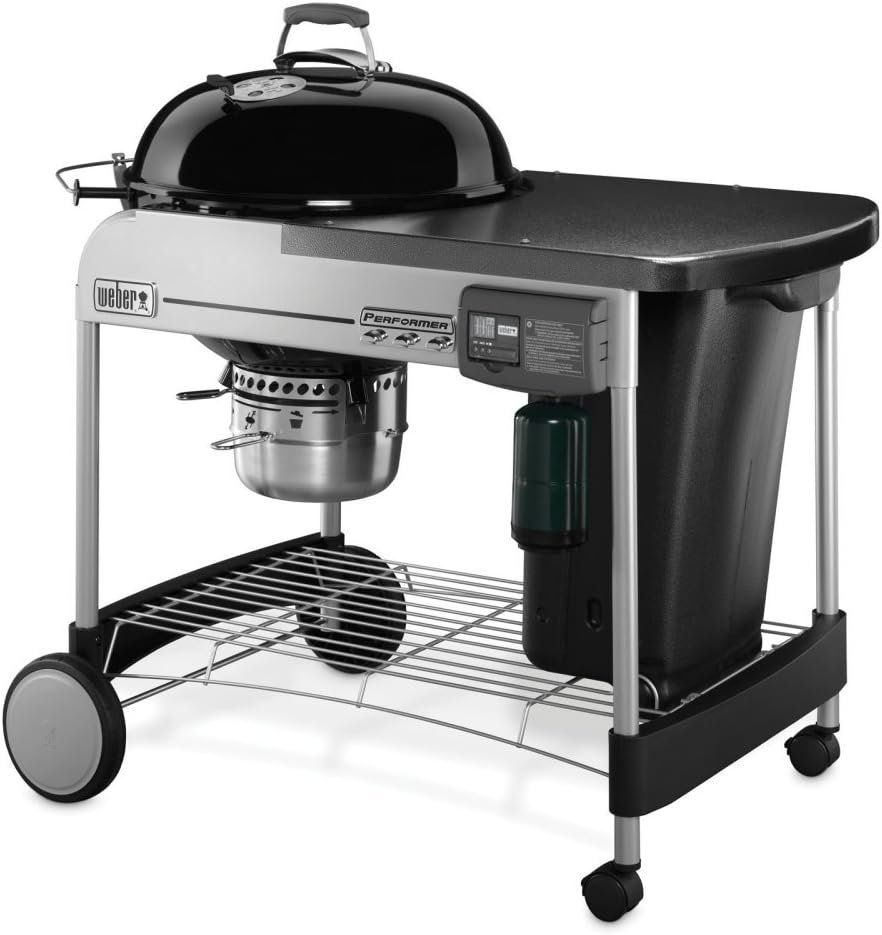
Selecting a grill establishes the framework for outdoor cooking outcomes, so the choice should align with cooking style, maintenance tolerance, and durability expectations. For cooks who prioritize charcoal flavor and variable heat profiles, a kettle-style system with integrated accessories offers a balance of sear capability and indirect cooking for larger cuts. Fuel preferences matter: charcoal provides flavor complexity and high-temperature searing potential but requires ash management and more active airflow control than gas or electric alternatives. Performance expectations include consistent heat, predictable airflow, adequate cooking area, and durable materials that limit corrosion. This review focuses on how a 22-inch Weber Performer Deluxe charcoal grill’s construction, ignition system, grate configuration, and cleanup features translate into real-world suitability for backyard grilling, occasional smoking, and mixed cooking workloads without implying hands-on testing.
Quick Overview
| Feature | Details |
|---|---|
| Grill type | Kettle-style charcoal grill with built-in work table and storage |
| Fuel type | Charcoal (with Touch-N-Go gas ignition using disposable LP canister or adapter) |
| Total cooking area | 363 square inches (primary plus warming rack) |
| Temperature range | Not specified; charcoal-dependent with broad low-to-high range based on fuel and venting |
| Materials & construction | Porcelain-enameled lid and bowl, plated steel GBS grate, aluminized ash catcher, aluminum frame, alloy steel components |
| Control system | Touch-N-Go electronic gas ignition for charcoal lighting; manual top and bottom vents; One-Touch ash-cleaning handle; LCD cook timer and built-in thermometer |
| Best suited cooking styles | Direct high-heat grilling, indirect roasting, light smoking and searing |
| Intended use cases | Backyard grilling, family entertaining, cooks who want charcoal flavor with ignition convenience |
| Warranty | Manufacturer warranty — consult Weber for specific terms |
This table condenses the Performer Deluxe’s core hardware and control elements into the features that affect everyday use. The 363-square-inch cooking area and hinged GBS grate support multi-item grilling and accessory use, while the Touch-N-Go ignition and Char-Bin storage target convenience around charcoal startup and handling. Porcelain-enameled surfaces and the One-Touch ash system address heat retention and cleanup frequency, important for routine backyard use.

Cooking style suitability: grilling, searing, and light smoking
The Weber Performer Deluxe targets cooks who prioritize direct grilling and searing with the option for indirect cooking and light smoking; it is not engineered as a dedicated long-duration smoker. The combination of a 22-inch kettle profile, hinged Gourmet BBQ System (GBS) grate, and multi-level rack system supports high-heat searing and simultaneous indirect cooking zones. Charcoal fuel enables temperatures from low-and-slow ranges up to searing heats when vents are opened and fuel bed density is increased, while the porcelain-enameled lid and bowl help retain heat and stabilize internal temperatures. The included thermometer and LCD cook timer facilitate monitoring, but precise low-temperature smoke control still depends on vent management, coal placement, and fuel type. For cooks seeking hybrid use—fast searing plus occasional smoking—the Performer Deluxe provides a flexible platform, whereas users focused exclusively on multi-day, controlled smoking may prefer dedicated offset smokers or pellet systems.

Direct grilling and searing performance
Direct grilling performance on kettle-style charcoal grills hinges on grate design, fuel proximity, and heat retention. The Performer Deluxe uses a hinged, plated steel GBS grate that places food within an efficient radiant path from the charcoal bed, enabling rapid heat transfer for searing. Porcelain-enameled lid and bowl surfaces enhance radiant and convective heat by reducing heat loss through conduction to the exterior. For high-heat searing, a dense coal bed and open vents produce elevated surface temperatures; the GBS grate also accepts inserts to increase versatility. However, charcoal variability and grate thermal mass mean that achieving consistent professional-level sear results requires attention to coal composition, grate cleanliness, and preheating time.
Indirect cooking and roast capability
Indirect cooking on a kettle grill relies on separating the fuel bed from the food and using the lid to trap convective heat. The Performer Deluxe’s bowl geometry and lid height accommodate larger roasts and whole poultry when coals are banked to one side or arranged for ring-style indirect heat. The porcelain-enamel surfaces help maintain a steady internal environment, reducing temperature swings during longer cooks. The included warming rack increases usable vertical cooking space and allows finishing or indirect warming without crowding the primary grates. Controlling indirect temperatures for longer cooks requires disciplined vent adjustments and periodic fuel replenishment, since charcoal burns down gradually and produces variable heat output over time.
Light smoking and short smokes
For shorter smoking sessions such as ribs, chicken, or brisket segments under four to six hours, the Performer Deluxe can deliver adequate smoke infusion when used with a two-zone charcoal setup and small chunks of hardwood for sustained smoke. The catch is that charcoal-only setups produce intermittent smoke profiles compared with pellet or dedicated offset smokers; therefore, maintaining low, stable temperatures for multi-hour smokes demands careful venting and occasional charcoal management. The grill’s lid-mounted thermometer assists in monitoring, but accurate, prolonged low-temperature smoking depends on external thermometry and refined airflow control. Cooks seeking delicate, low-temperature smoke precision over many hours should weigh whether a dedicated smoker would better match those needs.
Ignition, temperature range, and control precision
Ignition convenience and the ability to reach and hold target temperatures are central buyer concerns, and the Performer Deluxe addresses startup with Weber’s Touch-N-Go electronic ignition for charcoal lighting. This system uses a small disposable LP canister or an adapter to a full-size tank to ignite a charcoal chimney or starter mechanism, cutting match requirements and improving ignition repeatability. Temperature range is charcoal-dependent and broad, from low smoke ranges up to intense searing heat; control precision comes predominantly from vent adjustments, charcoal arrangement, and fuel quantity. The grill’s built-in lid thermometer and backlit LCD cook timer provide monitoring aids but are complementary to external probes for detailed temperature control. For users who prioritize electronic thermostat-like precision, gas or pellet options will typically offer tighter set-and-hold control than any charcoal system.

Touch-N-Go ignition impact on startup and fuel management
The Touch-N-Go system is designed to simplify charcoal ignition by producing an instantaneous spark or flame to a starter assembly that transfers heat to the charcoal bed; it removes the need for lighter fluid and reduces dependency on handheld matches. Using a disposable LP cylinder or adapter hose to a larger tank, the ignition system is a convenience feature rather than a heat source for cooking. Faster and more reliable ignition shortens the preheat phase, enabling quicker attainment of searing temperatures, but fuel behavior after lighting still follows charcoal physics—temperature peaks as coals fully ignite and then gradually decline. Reliable ignition reduces user effort but does not substitute for charcoal management skills required to maintain target temperatures across a cook.
Temperature monitoring and control precision considerations
Temperature monitoring on the Performer Deluxe combines a lid-mounted thermometer and an LCD cook timer for session tracking; the integrated devices help with broad staging and timing. However, lid thermometers read air temperature near the top of the dome and can differ from grate-level or meat-probe temperatures by several degrees; for critical roasts or low-and-slow smoking, external probe thermometers are recommended. Control precision with charcoal depends on three levers: vent position, fuel amount and layout, and the grill’s thermal mass. The porcelain-enameled bowl and lid provide thermal inertia that smooths short-term fluctuations, but charcoal consumption and ash buildup alter airflow dynamics during extended cooks, requiring user adjustments to sustain precise setpoints.
Who needs digital precision versus manual charcoal control
Buyers who demand set-and-hold accuracy with minimal intervention are better served by gas or pellet grills that use thermostatic controls and automated feeding systems. The Performer Deluxe appeals to cooks who value charcoal flavor and accept manual inputs—vent tuning, fuel refresh, and periodic probe checks—to reach target conditions. For many backyard cooks, the trade-off between flavor complexity and control precision is acceptable, provided supplemental thermometry and practice in coal management are used. Those seeking near-thermostatic stability for multi-hour, unattended smoking sessions should evaluate alternatives that prioritize automated control.
Heat distribution, airflow management, and construction materials
Heat distribution and airflow determine cooking consistency, and the Performer Deluxe combines several design choices intended to stabilize internal temperatures. The porcelain-enameled lid and bowl are specified to resist rust and retain heat, contributing to convective and radiant stability. The One-Touch cleaning system with an aluminized steel, high-capacity ash catcher simplifies ash removal — a factor that affects bottom-vent airflow when ash accumulates. Top and bottom vents allow conventional airflow management: opening vents increases oxygen flow and peak temperatures, while throttling vents reduces oxygen and promotes lower temperatures. The plated, hinged GBS grate offers cooking versatility and a consistent interface between food and radiant heat. Material choices such as alloy steel components, aluminum frame elements, and nylon handle materials are specified to balance weight, corrosion resistance, and functional durability for outdoor use.
The role of porcelain enamel and bowl geometry in heat retention
Porcelain enamel on the lid and bowl creates a hard, glazed surface that limits direct metal oxidation and improves heat retention by reducing conductive loss to the environment. In practice, this means the dome can act as a thermal reservoir during both short searing sessions and longer indirect cooks, smoothing temperature swings when vents are adjusted. Bowl geometry in a kettle grill concentrates convective flow over the cooking zone, enabling predictable heat gradients that support two-zone setups. While enamel resists rust, chips or long-term exposure to extreme weather can compromise finish integrity, so protective storage and routine surface inspection influence long-term appearance and performance.
Airflow control, ash management, and their effect on temperature stability
Airflow control is the primary mechanism for temperature modulation on charcoal grills. Bottom vents supply oxygen to the coal bed while top vents exhaust combustion gases; adjusting both creates a flow equilibrium that sets burn rate and internal temperature. The Performer Deluxe’s One-Touch ash system reduces the frequency of manual ash removal and helps maintain unobstructed bottom vent flow. If ash accumulates, it can restrict airflow and cause lower-than-expected temperatures or uneven burning. Regular ash clearing and mindful coal placement preserve consistent oxygen delivery, which is essential for predictable heat distribution during both direct grilling and extended indirect cooks.
Grate materials and cooking surface interaction with heat
The hinged GBS plated steel grate is engineered for durability and accessory compatibility. Plated steel heats relatively quickly and transfers radiant energy effectively for searing; the hinged design supports easy access to the charcoal bed for adding fuel or adjusting coals without removing large grates. GBS compatibility allows insertion of specialized accessories—such as griddle or wok inserts—that alter the heat transfer profile and expand cooking techniques. Plated steel can be prone to surface wear over years of high-heat use, so periodic inspection and maintenance extend functional life. Grate mass and material influence how rapidly surface temperature changes in response to airflow and fuel adjustments, making material choice an important factor in everyday cooking control.
Cooking capacity, maintenance, and expected lifespan
Capacity, ease of maintenance, and build quality drive long-term ownership value. With 363 square inches of primary plus warming-rack surface, the Performer Deluxe accommodates multi-item family meals and moderate entertaining. The included work table and Char-Bin storage help streamline prep workflows and keep charcoal dry, reducing fuel waste and ignition variability. Maintenance features—One-Touch ash removal, porcelain surfaces, and accessible grates—reduce routine cleaning time, but scheduled deeper maintenance (grate seasoning, enamel inspection, and ash pan cleaning) preserves performance and prevents corrosion. Materials such as alloy steel and aluminum frame components indicate a design intended for multi-season outdoor use; longevity will depend on exposure to weather, frequency of heavy-use cycles, and owner maintenance practices. Buyers who plan heavy, year-round use or want minimal upkeep may prefer grills with heavier stainless steel construction or enclosed designs.

Cooking capacity and multi-level cooking strategies
A 22-inch kettle with 363 square inches of cook surface supports common backyard needs—several burgers, multiple steaks, or a whole chicken plus sides—particularly when using both the main grate and the warming rack. Multi-level cooking enables staging and temperature zoning: direct sear on the primary grate while finishing or resting on the upper rack. The hinged grate allows insertion of GBS accessories for griddling, baking, or wok-style cooking, effectively expanding the functional footprint without altering the base dimensions. For larger gatherings or consistent multi-rack roasts, a larger-format grill or combination of a dedicated smoker and a primary grill may be more efficient.
Maintenance routines and cleaning considerations
Routine maintenance centers on ash removal, grate cleaning, and exterior surface care. The One-Touch ash-cleaning system and high-capacity aluminized ash catcher lower the frequency and effort of ash disposal, which benefits airflow and reduces corrosion risk. Porcelain enamel resists rust but should be cleaned regularly to remove carbon buildup and avoid chipping. Periodic inspection of vents, hardware, and the Char-Bin designed to keep charcoal dry will limit degradation. Replacement parts such as cooking grates or accessory inserts are typically available from the manufacturer, simplifying mid-life repairs that extend total lifespan.
Durability expectations and factors that affect longevity
Durability depends on materials, protective finishes, and usage environment. Porcelain-enamel resists surface corrosion and heat-related distortion at normal operating temperatures, while alloy steel and aluminum frame elements balance strength with weight. Nylon handles and painted finishes may show wear over many seasons, especially under coastal or high-humidity conditions without protective covers. Expected lifespan is extended with seasonal storage, regular cleaning, and avoidance of prolonged exposure to driving rain or salt air. Owners who implement consistent maintenance cycles can expect multi-year service life comparable to similar mid-range charcoal grills; intensive commercial use or neglect will shorten that horizon.

Pros & Cons
Pros
- Reliable ignition convenience: The Touch-N-Go electronic ignition reduces dependence on matches or lighter fluid by providing a consistent start mechanism for the charcoal starter system, speeding preheat and minimizing common startup hassles.
- Versatile cooking platform: The hinged GBS grate, 363 square inches of cooking area, and multi-level racks allow searing, indirect roasting, and accessory use for griddling or wok-style cooking, expanding technique options.
- Heat retention and stability: Porcelain-enameled lid and bowl materials are engineered for heat retention and rust resistance, promoting stable convective conditions for both short and medium-duration cooks.
- Easier ash handling: The One-Touch ash cleaning system and high-capacity aluminized steel ash catcher reduce ash buildup frequency and preserve bottom-vent airflow during extended sessions.
- On-board tools and storage: Included work table, Char-Bin storage for charcoal, built-in thermometer, and LCD cook timer create an integrated workflow that supports preparation, ignition, and monitoring.
- Accessory ecosystem: GBS compatibility and Weber’s parts availability provide a pathway to expand cooking methods and to source replacement components if needed.
- Moderate weight with durable frame: Alloy and aluminum frame materials provide a balance between sturdiness and maneuverability for a backyard unit.
Cons
- Charcoal control requires skill: Temperature precision is inherently manual; maintaining stable low temperatures for long smokes demands vent management and frequent attention compared with automated systems.
- Limited true smoker capability: While suitable for short to medium smoking sessions, the Performer Deluxe is not a dedicated long-duration smoker, and extended smoke cooks may be more challenging to maintain.
- Surface vulnerability over time: Porcelain enamel resists rust but can chip under heavy impact; painted and nylon components may show wear in harsh climates without protective measures.
- Thermometer and timer limitations: The included lid thermometer and LCD cook timer provide broad guidance but may not deliver the probe-level accuracy required for precise, unattended smoking or multi-hour cooks.
Final Verdict: Who This Grill or Smoker Is Best For (and Who Should Skip It)
The Weber Performer Deluxe 22-inch charcoal grill is best suited to backyard cooks who value authentic charcoal flavor and who are willing to engage with fuel management and vent control to achieve desired results. Its combination of Touch-N-Go ignition, a hinged GBS grate, substantial cooking area, and ash-management features creates a versatile platform for high-heat searing, indirect roasts, and occasional smoking. The integrated work table and Char-Bin storage support streamlined workflows for weekend grilling sessions and family entertaining, while porcelain-enamel construction aids heat retention and corrosion resistance. For users in 2026 seeking a mid-range charcoal grill that balances convenience and traditional charcoal characteristics, this model is a compelling option.
This grill is less appropriate for buyers who require near-thermostatic temperature control, unattended multi-hour smoking without fuel management, or heavy commercial use. Those prioritizing automated temperature control and minimal intervention should consider gas or pellet systems. Additionally, buyers in extremely harsh coastal environments who prefer long-term minimal maintenance may opt for heavier stainless-steel constructions. Overall, the Performer Deluxe occupies a middle ground: it enhances charcoal convenience while preserving manual control—and suits cooks who prioritize flavor and versatility over automated precision.

Frequently Asked Questions (FAQs)
How does the Touch-N-Go ignition work on a charcoal grill?
The Touch-N-Go ignition uses a small LP gas source—either a disposable canister or an adapter to a larger tank—to produce a flame or spark that heats a charcoal starter assembly. This accelerates charcoal ignition without lighter fluid and reduces reliance on matches. It is a convenience feature for faster startup; the actual cooking heat still comes from the charcoal once it reaches full ember and stabilizes through airflow control.
Can the Weber Performer Deluxe maintain low smoking temperatures for several hours?
The Performer Deluxe can sustain low smoking temperatures for shorter to moderate-duration cooks when set up with a two-zone coal arrangement, small wood chunks, and careful vent adjustments. However, charcoal systems require active airflow management and occasional fuel refresh for longer, multi-hour smokes. Those needing unattended, precise low-temperature control over many hours may find pellet or dedicated smoker platforms better suited to that use case.
How large of a cookout can 363 square inches handle?
A combined primary and warming rack area of 363 square inches supports commonly needed backyard capacity: multiple burgers or sausages and several steaks at once, plus staging space on the warming rack. It is well-suited to family meals and modest entertaining. For larger gatherings that require cooking dozens of items at once, a larger grill or multiple units will reduce batch cooking and downtime.
What maintenance is required to keep porcelain-enameled surfaces in good condition?
Porcelain-enameled surfaces should be cleaned regularly to remove carbon buildup and food residue, and chipped or cracked areas should be inspected to prevent corrosion. Routine gentle scrubbing with non-abrasive cleaners and drying after use helps preserve the finish. Seasonal inspection of hardware and protective storage during extended bad weather further reduces the risk of long-term degradation.
Is the included thermometer accurate enough for low-and-slow cooking?
Lid-mounted thermometers provide a general indication of the internal dome temperature but can differ from grate or meat-probe temperatures by several degrees. For precision low-and-slow cooking, external probe thermometers that measure grate and internal meat temperatures are recommended to ensure accurate monitoring and consistent results.
Does the Char-Bin really keep charcoal dry in adverse weather?
The Char-Bin is designed to provide weather-protected storage to reduce exposure of fuel to moisture, which helps maintain ignition reliability and consistent burn characteristics. While it protects against light exposure and brief wet conditions, extended storage in a completely dry, covered area is still preferable for maximum longevity and optimal fuel performance.
Who should choose a Weber Performer Deluxe over a gas or pellet grill?
Buyers who prioritize charcoal flavor, higher-temperature searing, and a hands-on cooking experience will find the Performer Deluxe attractive. It suits backyard cooks willing to manage vents and charcoal for desired heat profiles and who value accessory versatility. Those seeking automatic temperature control, minimal intervention, or consistent long-duration smoking may prefer gas or pellet grills instead.