Weber 18-inch Smokey Mountain: Charcoal Smoker Guide 2026

Choosing the Right Smoker for Low-and-Slow Backyard Cooking
Selecting a smoker materially influences flavor, workflow, and the level of skill required to produce consistent results. The Weber 18-inch Smokey Mountain Cooker is a dedicated charcoal vertical smoker intended for low-and-slow smoking, offering dual cooking grates and a water pan to moderate heat. Buyers focused on traditional smokehouse flavor who prefer charcoal as a fuel source will evaluate this model for temperature stability, airflow control, and rack capacity. Practical considerations include available outdoor space, desired batch sizes, and willingness to manage charcoal and ash. Performance expectations should center on steady low-heat smoking rather than high-heat searing, and lifecycle questions should weigh porcelain-enameled steel construction against maintenance needs. Understanding how the smoker’s dampers, water pan, and compact vertical design interact with charcoal load and food placement helps match the product to routines like weekend brisket cooks, poultry for holiday meals, or experimenting with different wood chunks.
Quick Overview
| Feature | Details |
|---|---|
| Smoker type | Vertical charcoal water smoker (bullet-style) |
| Fuel type | Charcoal (lump or briquettes), wood chunks for smoke |
| Total cooking area | Approximately 538 square inches (two 18.5-inch circular grates) |
| Temperature range | Typical low-and-slow range ~200–300°F; usable range influenced by charcoal load and damper settings |
| Materials & construction | Porcelain-enameled steel body; nickel-plated cooking grates; water pan; heat-resistant nylon handle |
| Control system | Manual adjustable bowl and lid dampers; no electronic controls |
| Best suited cooking styles | Low-and-slow smoking, indirect roasting, multi-rack smoking |
| Intended use cases | Backyard smoking for small to medium batches, holiday poultry, ribs, pork shoulder |
| Warranty | Manufacturer limited warranty; specific terms vary by region (refer to Weber documentation) |
This specification set translates into a smoker aimed at traditional charcoal smokers and backyard cooks who value smoke flavor and simple, mechanical control. The dual 18.5-inch grates provide layered capacity for multiple items, while the water pan and porcelain-enameled steel shell are intended to stabilize temperatures and protect against direct heat. Manual dampers require active adjustment to dial temperatures, making the unit lean toward cooks comfortable with hands-on heat management rather than automated control systems.

Cooking Style Suitability: Low-and-Slow Focus and Limitations
The Weber 18-inch Smokey Mountain Cooker is purpose-built for low-and-slow smoking rather than high-temperature grilling, so suitability depends on the buyer’s intended cooking repertoire. Its vertical chamber and water pan design support indirect heat and moisture retention, which favors brisket, pork shoulder, ribs, whole poultry, and delicate fish at steady smoking temperatures. The smoker’s compact height and dual grates enable batch cooking and separating different proteins or temperatures across racks, but its lack of direct searing surfaces and absence of a high-BTU zone limit traditional grill-style sear techniques. Buyers wanting both heavy grilling and smoking in one appliance should weigh this unit’s strengths in smoke infusion and temperature stability against the need for a separate grill or hybrid unit.
Low-and-Slow Smoking Workflow and Results
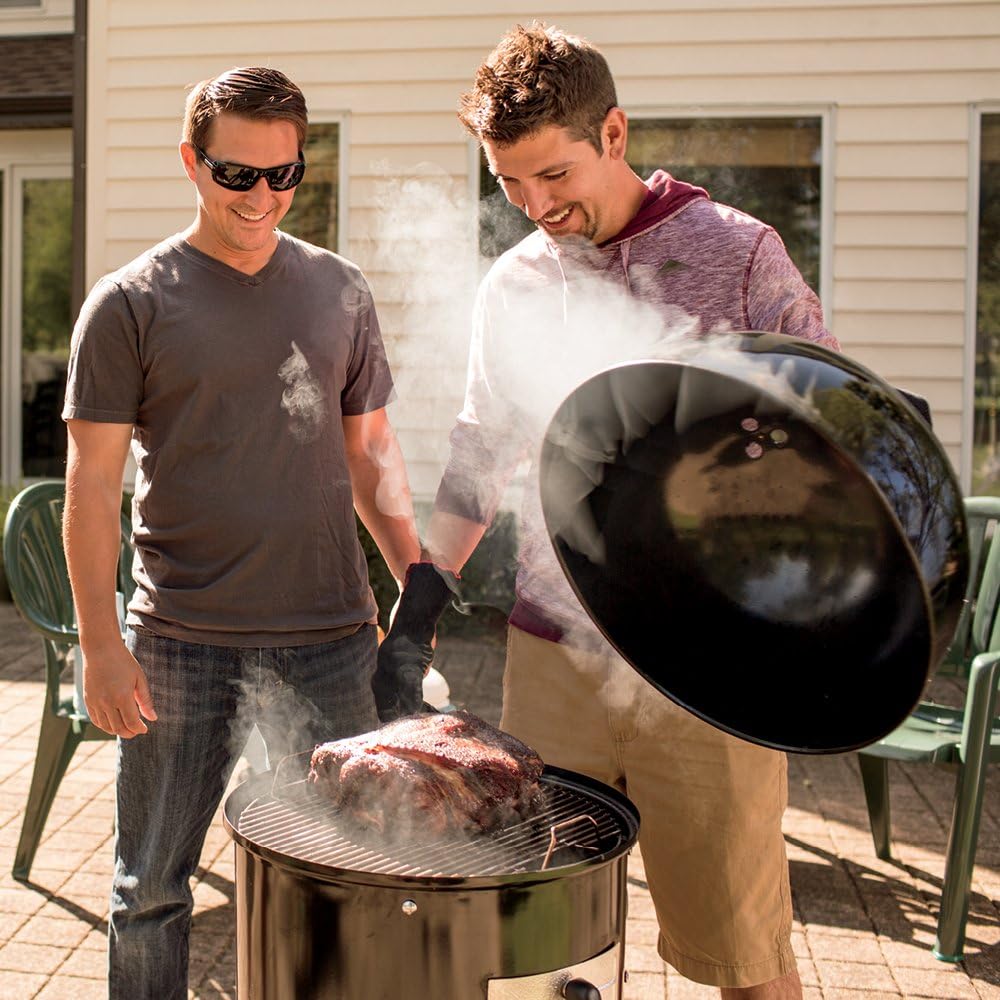
Vertical water smokers like this model create a convective heating environment where heat from the charcoal bowl travels upward past the water pan and food grates. The water pan moderates temperature swings and adds humidity, which can reduce surface drying during extended sessions. For classic low-and-slow cooks, the smoker’s capacity and damper-controlled airflow allow maintenance of target smoke temperatures—typically between 200 and 275 degrees Fahrenheit—when managed with reasonable charcoal and wood chunk inputs. The design supports the development of smoke ring and bark when proper fuel and temperature routines are followed, aligning with traditional barbecue results.
Grilling and Searing Limitations
This smoker lacks direct radiant heat typical of kettle grills or dedicated kamado-style units, and the nickel-plated grates are positioned for indirect cooking. Attempting a high-heat sear inside the Smokey Mountain will generally be limited by airflow design and charcoal placement; achieving temperatures required for effective searing often necessitates a separate direct-heat grill. For cooks who prioritize quick weeknight searing, a dual-equipment approach—smoker for low-and-slow and a gas or charcoal grill for searing—aligns better with performance expectations.
Multi-Item and Temperature-Zoned Cooking
The two cooking grates permit simultaneous smoking of different items and portioning of space by doneness or smoke intensity. Items placed lower will often be slightly warmer due to convective heat rise and proximity to the water pan; rotation and monitoring can address any consistent differences. While not a multi-zone powered system, the layered grate arrangement enables practical workflows for smoking multiple smaller items, such as racks of ribs and a poultry piece, making the unit a practical choice for cooks who prepare several items over an extended period.
Fuel Type and Flavor Impact: Charcoal, Wood, and Smoke Management
Charcoal selection and wood chunk choice significantly shape results in the Smokey Mountain. Charcoal provides the primary heat source and, depending on type, influences burn consistency and flavor neutrality. Lump charcoal burns hotter and faster with less ash, while briquettes offer a steadier burn and easier temperature management. Wood chunks or chunks inserted into the charcoal deliver aromatic smoke; small amounts of fruit, oak, or hickory can produce distinct flavor profiles. The vertical water-smoker configuration encourages longer exposure to smoke as hot gases travel upward past the food, increasing smoke contact time. Fuel-loading strategies and damper adjustments together determine smoke density, so cooks seeking delicate or heavy smoke profiles must balance wood quantity with charcoal heat to avoid over-smoking or temperature instability.

Charcoal Types, Load Management, and Burn Time
Fuel choice affects how often charcoal needs replenishing and how stable temperatures remain. Briquettes typically sustain a steadier temperature for extended sessions and produce more uniform burn rates, making them easier to manage for long cooks. Lump charcoal can reach higher temperatures and produces less residual ash, which helps airflow over time. For sessions lasting several hours, strategic fuel banking—placing additional charcoal pieces near the bowl or using a charcoal ring—permits longer steady-state burns without full reloads. The smoker’s bowl capacity and venting mean that careful fuel planning is necessary for uninterrupted long cooks.
Wood Selection and Smoke Intensity
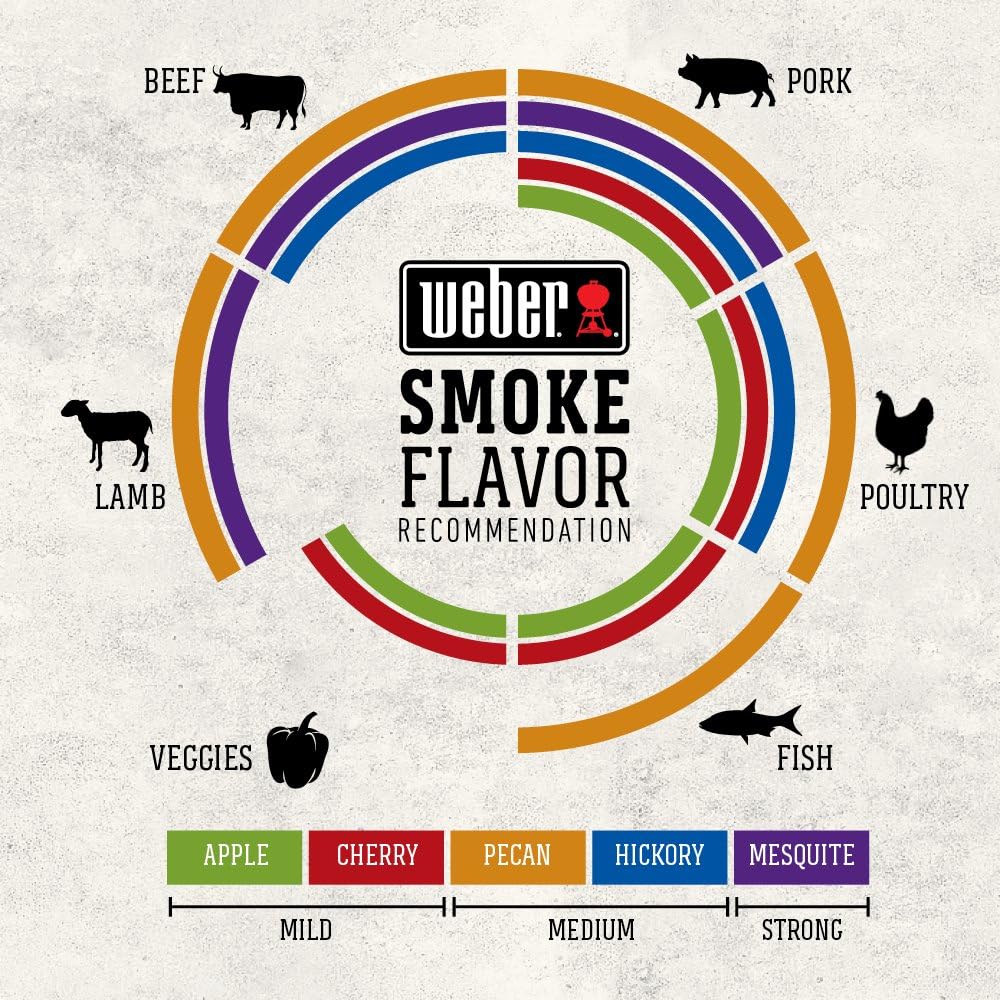
Wood chunk size and species are central to smoke character. Dense hardwoods like oak and hickory give stronger, more robust smoke that pairs well with beef and pork, while fruitwoods (apple, cherry) deliver milder, sweeter notes suited to poultry and pork loin. Because the Smokey Mountain’s vertical airflow exposes food to smoke for extended periods, smaller wood quantities are often sufficient. Overuse of wood chunks can impart bitter, acrid flavors, so measured additions timed along the charcoal’s burn profile are standard practice for balanced smoke flavor.
Managing Smoke Without Electronic Assistance
With no electronic smoke or fuel feeder, the smoker’s smoke profile is entirely manual. Dampers control oxygen intake, affecting combustion rate and smoke production; partially closed vents produce slower, smoldering combustion with thicker smoke, while more open vents yield cleaner combustion and fewer particulates. This manual system favors cooks who prefer hands-on control and who can monitor vent settings and fuel additions during the cook.
Temperature Range and Control Precision: Dampers, Water Pan, and Thermometry
Temperature control in the Weber Smokey Mountain relies on basic thermodynamic principles: oxygen supply through adjustable dampers dictates combustion rate, while a water pan acts as a heat sink to reduce spikes and stabilize the chamber. The included lid thermometer provides a top-deck reference point but will reflect chamber air temperature rather than exact grate or meat surface temperatures. Achieving and maintaining a target range—commonly 200–275 degrees Fahrenheit for smoking—requires iterative adjustments to the bowl and lid vents, consistent charcoal feed strategies, and occasional water replenishment. Without built-in electronic regulation, the unit demands active monitoring but benefits from the water pan’s buffering effect to smooth short-term deviations caused by wind or fuel loading.
Dampers and Airflow Mechanics
Airflow management is the primary temperature control mechanism. The bowl vent supplies oxygen to the charcoal bed; opening it increases combustion and raises temperature, while closing it throttles airflow and lowers temperature. The lid vent fine-tunes exhaust and can influence smoke clearing and temperature steadiness. Because the Smokey Mountain’s vents are manually set, environmental factors—ambient temperature, wind, and humidity—will alter the vent positions required to maintain a setpoint, so operators should be prepared to adjust settings periodically rather than expecting static control.
Water Pan Function and Heat Buffering
The water pan sits between the charcoal and cooking grates and performs multiple functions: it acts as a moisture source to mitigate surface drying, absorbs radiant heat to reduce temperature spikes, and serves as a barrier that softens direct heat transfer. The thermal mass of a filled water pan reduces the rate at which the chamber heats or cools, enabling steadier long-duration smoking. Water evaporation gradually reduces the pan’s effectiveness, so scheduled replenishment during extended cooks is necessary to sustain buffering performance.
Thermometer Placement and Temperature Monitoring Strategy
The smoker’s built-in lid thermometer provides a convenient chamber-level reading but is not a substitute for probe thermometers placed at meat level. Because vertical smokers exhibit vertical thermal gradients, the temperature at grate level can differ from the lid readout. For precision smoking and to prevent under- or overcooking, the use of an in-meat probe and, if available, an additional grate-level thermometer is recommended. Relying solely on the lid gauge can underrepresent local conditions near the food.
Capacity, Heat Distribution, Durability, and Maintenance Considerations
Capacity and long-term ownership expectations are important buyer factors. The 18.5-inch dual grates yield approximately 538 square inches of cumulative cooking area, accommodating whole poultry and several racks of ribs in a single session. Heat distribution in the vertical chamber depends on charcoal placement, the water pan acting as a heat baffle, and the natural convection path; lower-to-upper temperature gradients are common and can be mitigated via rack rotation or rearrangement. Durability is influenced by porcelain-enameled steel construction that resists rust and direct corrosion better than bare steel, but nickel-plated grates and seams where the enamel meets metal are potential wear points over time. Routine maintenance—ash removal, cleaning the water pan, inspecting enamel for chips, and protecting stored units from prolonged exposure—directly impacts expected lifespan.

Cooking Capacity and Practical Batch Sizes
The two 18.5-inch circular grates enable staged cooking and the simultaneous preparation of multiple items; typical backyard batches such as a whole turkey or several pork shoulders can fit with room for accessory pans. Despite layering capability, crowding can obstruct airflow and alter cook times, so planning load order and spacing items to allow even smoke exposure improves results. For frequent large-volume cooking or commercial applications, larger horizontal smokers or offset units provide greater single-load capacity and are more time-efficient.
Heat Distribution Patterns and Rack Management
Vertical smokers naturally create a convective heat rise, which can cause slight temperature stratification between lower and upper racks. The water pan intervenes to blunt direct radiant heat and encourages more even vertical convection, but consistent results often require prudent staging—placing items that need higher heat nearer the bottom and rotating racks if cooks run long. Successful thermal management is a function of charcoal placement, damper settings, and periodic monitoring rather than inherent automated balancing.
Materials, Corrosion Resistance, and Expected Longevity
Porcelain-enameled steel offers a durable exterior finish that resists rusting and simplifies cleaning compared with uncoated steel. Nickel-plated grates provide corrosion resistance and routine durability but can wear over time under heavy use. The water pan and internal seams are areas where prolonged exposure to heat and moisture can encourage localized wear; regular cleaning and avoiding abrasive scrubbing on enamel surfaces preserve finish life. With standard backyard use and appropriate maintenance, the construction materials align with multi-year ownership, though component replacement (grates, water pan) may be expected over extended heavy use.
Cleaning, Ash Management, and Routine Maintenance
Maintenance tasks include ash removal from the charcoal bowl after each cook to ensure unobstructed airflow, periodic cleaning of the water pan to prevent residue buildup, and inspection of grates and enamel for wear or chipping. Ash buildup can smother airflow and alter combustion characteristics, so routine ash disposal preserves performance. The absence of complex electronics simplifies maintenance; however, protective storage and covering in wet conditions extend material lifespan and reduce corrosion risk.

Pros & Cons
Pros
- Authentic charcoal smoke profile and traditional barbecue flavor: The vertical design and water pan promote prolonged smoke exposure and moist heat, supporting classic low-and-slow results valued by charcoal purists.
- Dual 18.5-inch cooking grates for layered capacity: Two nickel-plated grates allow simultaneous smoking of multiple items or separating foods by type, improving efficiency for multi-item cooks.
- Porcelain-enameled steel construction resists rust and simplifies exterior cleaning: The enamel coating reduces bare-steel exposure and helps maintain appearance and structural integrity over time.
- Water pan for humidity control and heat buffering: The included water pan moderates temperature swings and helps prevent surface drying during long cooks, improving consistency.
- Manual damper controls offer direct, mechanical tuning: Adjustable bowl and lid vents provide immediate control over combustion and smoke flow without relying on electronics.
- Compact footprint with respectable capacity for home use: The relatively light weight and modest floor space requirement make it suitable for many backyard settings where space or portability is a consideration.
- Compatible with a range of charcoal and wood fuels: The bowl accepts briquettes or lump charcoal and wood chunks, enabling flexibility in flavor profiles and burn strategies.
Cons
- Manual temperature control requires active monitoring and adjustment: Without electronic regulation, maintaining tight temperature bands depends on user intervention and fuel management skills.
- Limited direct-heat searing capability: The vertical, indirect design is not suited for high-BTU searing, which may necessitate a separate grill for those who want both functions.
- Potential for vertical temperature stratification: Convection-driven gradients between lower and upper racks can require rotation or rearrangement of food during long cooks to ensure uniform doneness.
- Water pan maintenance and enamel vulnerability: The water pan needs replenishing during long cooks and the porcelain enamel can chip if subjected to impact or abrasive cleaning, affecting longevity.
Final Verdict: Who This Smoker Is Best For (and Who Should Skip It)
The Weber 18-inch Smokey Mountain Cooker is best suited to home cooks and backyard barbecue enthusiasts who prioritize authentic charcoal smoke flavor and hands-on temperature management. It matches cooks who enjoy low-and-slow sessions for ribs, pork shoulder, brisket trimming for modest batches, or whole poultry, and who value a compact, durable package built from porcelain-enameled steel with dual grates for layered capacity. The smoker aligns with users comfortable managing charcoal and dampers, and who plan to use probe thermometers to achieve consistent results.
This unit is not ideal for buyers who require high-heat searing as a primary function, those who prefer automated temperature control and minimal monitoring, or operators needing large commercial-sized single-load capacity. Comparatively, in 2026 this smoker remains a cost-effective, proven choice for traditional charcoal smoking within small- to medium-scale backyard use, provided buyers accept manual control trade-offs and routine maintenance responsibilities.

Frequently Asked Questions (FAQs)
What cooking temperatures can the Weber 18-inch Smokey Mountain maintain?
The Weber 18-inch Smokey Mountain is designed for low-and-slow smoking and typically operates effectively in the range of roughly 200–300 degrees Fahrenheit. Actual temperatures depend on charcoal type, fuel load, damper positions, and ambient conditions. The included water pan helps buffer short-term fluctuations, but maintaining steady temperatures requires periodic vent adjustments and fuel management during multi-hour cooks.
Can the Smokey Mountain be used for searing and direct grilling?
The Smokey Mountain is a vertical, indirect charcoal smoker optimized for low temperatures and smoke exposure, not direct high-heat searing. While it excels at smoking and indirect roasting, its airflow and chamber design do not provide the concentrated radiant heat needed for effective searing. Owners seeking both searing and smoking often pair the smoker with a separate gas or charcoal grill.
How much food will fit on the dual 18.5-inch grates?
The two 18.5-inch circular grates yield about 538 square inches of combined cooking area, which accommodates several racks of ribs, multiple poultry pieces, or several smaller roasts in a single cook. Careful arrangement is necessary to avoid crowding, which can impede airflow and extend cook times. For frequent large-volume cooking, a larger horizontal smoker may be more efficient.
What maintenance does the Weber Smokey Mountain require to stay in good condition?
Routine maintenance includes ash removal after each cook to preserve airflow, cleaning and occasional descaling of the water pan, and inspecting grates and porcelain enamel for wear or chips. Avoid abrasive cleaners on the enamel finish, and store the smoker covered in dry conditions to reduce corrosion risk. Periodic replacement of consumable parts, such as grates or the water pan, can extend overall service life.
Which charcoal or wood should be used for best results?
Briquettes offer steady, predictable burn times useful for extended sessions, while lump charcoal burns hotter and produces less ash. For smoke flavor, hardwood chunks like oak, hickory, apple, or cherry are commonly used; denser woods yield stronger flavor, while fruitwoods provide milder, sweeter notes. Because the Smokey Mountain exposes food to prolonged smoke contact, moderate wood quantities are advised to avoid overpowering flavors.
Is the built-in lid thermometer sufficient for precise cooking?
The lid thermometer provides a convenient chamber reference but reads air temperature near the top of the smoker, which can differ from grate-level or meat surface temperatures. For precise control, especially with long cooks, using an in-meat probe thermometer and, if possible, a grate-level thermometer is recommended to monitor actual cooking conditions and doneness accurately.
Who should consider alternative smokers instead of the Weber Smokey Mountain?
Buyers who prioritize automated temperature control, require frequent high-heat searing, or need large single-load capacity for commercial or very large gatherings may find other smoker types more suitable. Gas, pellet, or larger horizontal offset smokers offer features like digital controllers, direct sear zones, or greater capacity that better match those specific needs.
![Steam Grill Brush Bristle Free,[Ultra Safe & Efficient] Grill Cleaner for Outdoor Grill,BBQ Replaceable Scraper Cleaning Head,Grill Brush BBQ Accessories,Gifts for Men/Dad](https://grillreviews.novicelinks.com/wp-content/uploads/2025/12/B0D1G3CWP7_MAIN-768x713.jpg)