

Grill Comparisons: Model by Model and Class by Class
Six pages that put grill listings next to each other and next to their whole type, marking which figures two independent sources agree on and where a listing contradicts itself.
What is on these pages
A review tells you what one grill’s listing says. These pages put listings next to each other and next to the whole type. There are two kinds. Head-to-head pages take two specific models and compare them on what the listings state, marking which figures both our review and Amazon’s detail page agree on and which come from only one. Class reports take every reviewed grill of one type and ask what the published specifications say when taken together.
None of it is tested. No grill here has been lit for us, so every figure is the manufacturer’s, and every page says so. There are no prices, because Amazon changes them daily, and no star ratings or review counts, because Amazon’s terms do not let us publish them. There is no league table and no single recommended pick: each page offers the conditions under which a grill suits you and the conditions under which it does not.
What a grill listing tells you, in numbers
| Reviewed | State a cooking area | Median area | Median weight | |
|---|---|---|---|---|
| Gas grills | 30 | 29 | 489 sq in | 31 kg |
| Charcoal grills | 45 | 34 | 363 sq in | 18 kg |
| Pellet grills | 18 | 15 | 575 sq in | 51 kg |
| Smokers | 17 | 11 | 548 sq in | 22 kg |
| Gas griddles | 11 | 10 | 640 sq in | 54 kg |
| Electric grills | 35 | 13 | 150 sq in | 4 kg |
| Electric griddles | 14 | 5 | 330 sq in | 3 kg |
The table is built from the same checked catalogue as the pages below, and it already shows why grill listings are hard to compare. A cooking area is the figure nearly every listing states, and it does not always count the same thing: some state the main grate, some the main grate plus a warming rack. A heat output in BTU is a total on some gas grills and one burner on others. And a weight can be a tenth of what the same product’s other listing says.
Gas and charcoal grill comparisons
Gas and charcoal are the two largest classes, and they have the clearest findings. The gas report sets out the area and BTU ambiguities; the charcoal report sets out the sizes, a 22-inch grate listed on grills of 1.5 to 41 kilograms, and a BTU figure that means nothing for charcoal.
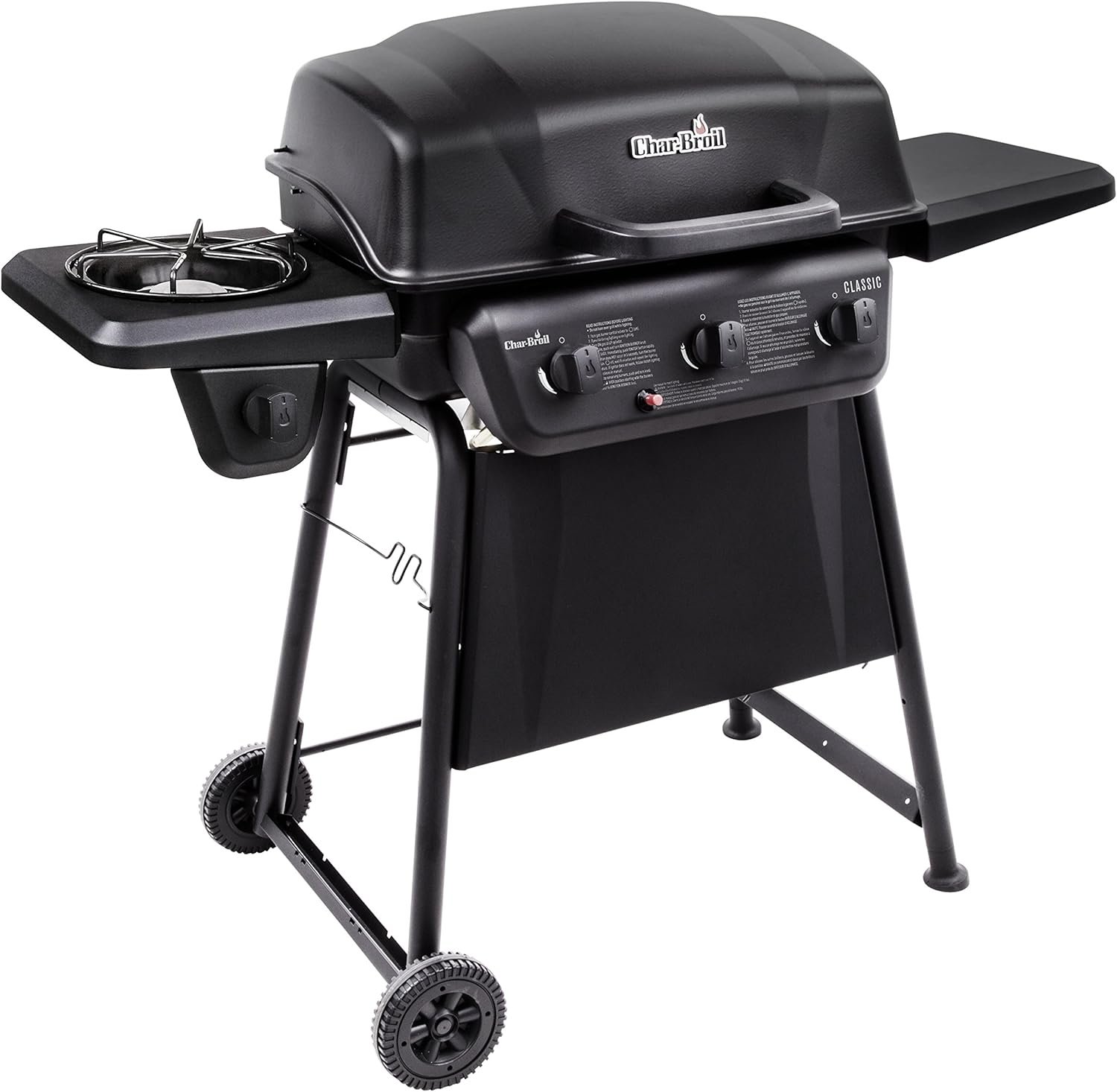

Gas grill class report
30 grills, two meanings of area, two of BTU
Charbroil Classic vs MASTER COOK
The bigger grill has the smaller grate
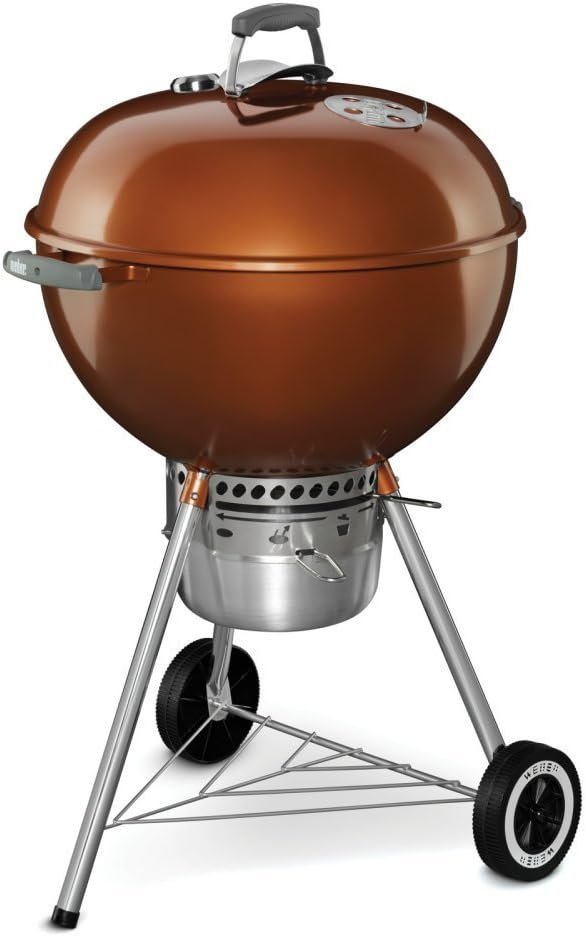
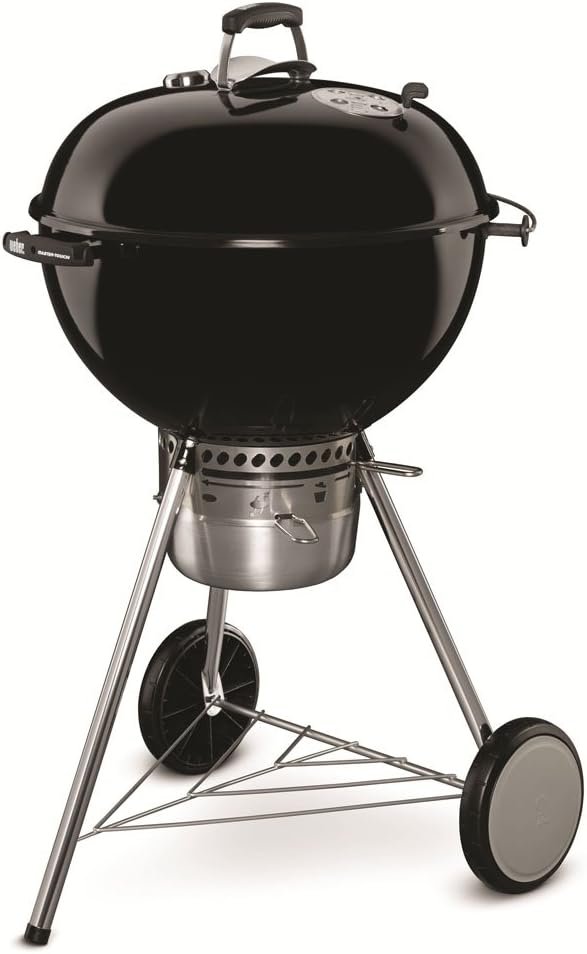
Charcoal grill class report
45 grills, three sizes, one grate at several weights
Weber Original Kettle vs Master-Touch
363 against 443, with the same 13 burgers
Pellet grill and smoker comparisons
Pellet grills and smokers are smaller classes, so they have a comparison each and no class report. Both comparisons choose a pair that makes a different point.


Z GRILLS ZPG-450A vs Traeger Pro 22
More grate on less floor

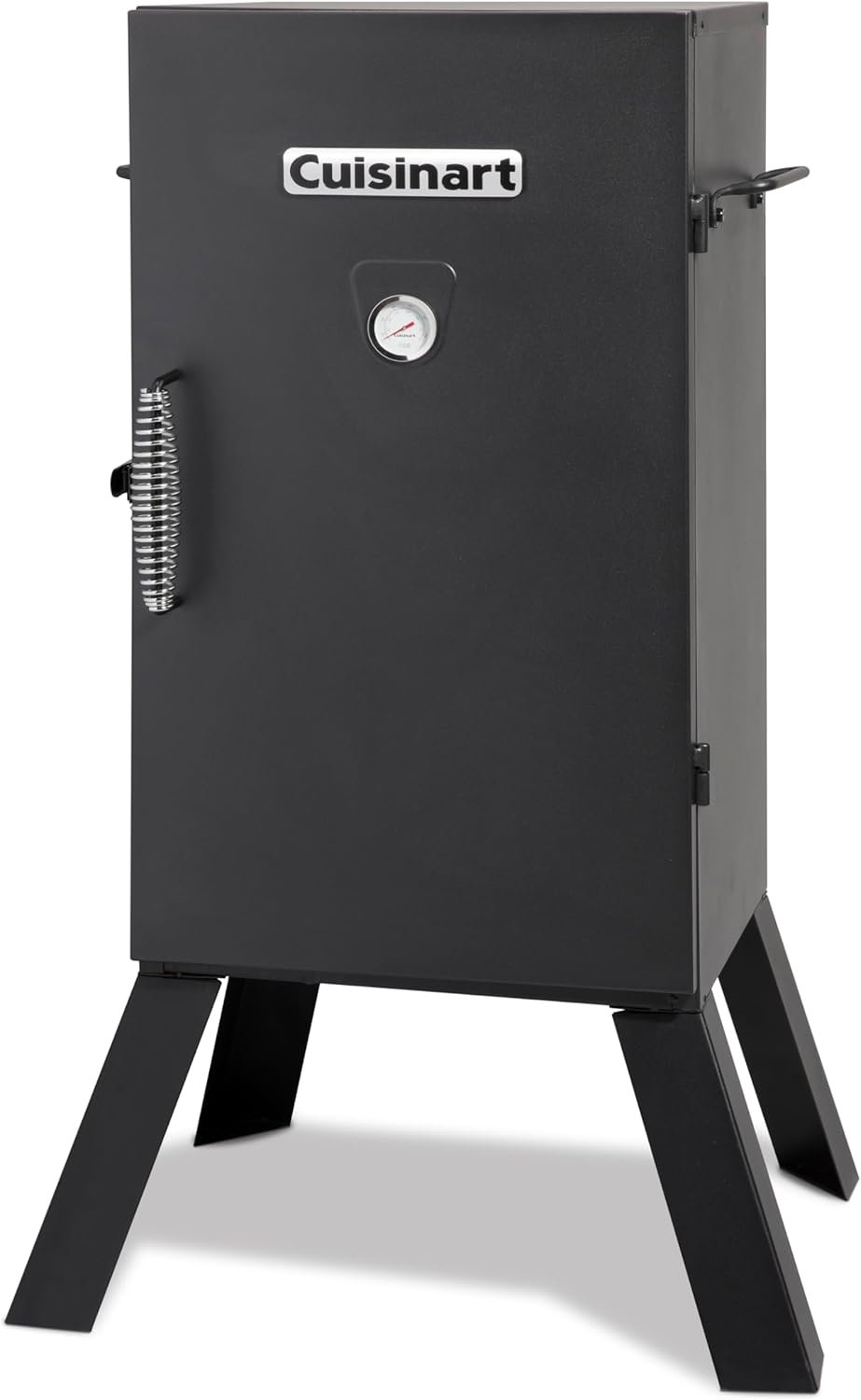
Masterbuilt vs Cuisinart electric smoker
Same figures, and one that cannot be right
What is not here yet
Electric indoor grills, griddles and kamado cookers are reviewed on this site too, and they appear in the table above, but they have no comparison pages yet. The electric classes are the least checkable, because their cooking areas are stated on about a third of the listings. We would rather leave them out than write pages on a class where most of the figures are missing.
How the figures are checked
Each review on this site carries a specification table, and each product’s Amazon page carries its own. They are independent transcriptions of one listing, which makes it possible to check one against the other. Where both state a figure and agree, the comparison pages say so. Where they disagree, or only one states it, the pages say that too, because a listing that contradicts itself is part of what you need to know before you buy. Across the grill catalogue the two sources agreed on the cooking area for 101 of the 112 grills that state it in both, and the gas report shows what that agreement does not catch: two sources that agree on a number that counts different things.
The scrape that supports these pages also turned up products that are not grills. We collected Amazon’s page for 188 of the 189 grills the finder listed, and 170 of them are grills these pages could compare. Thirteen were tool sets, covers, accessories and kitchen appliances, and five were commercial machines. Of the thirteen, the eight that are plainly not grills (a rolling stand, three accessories, a cover, a smoking gun, a sandwich maker and a panini press) are now noindexed and out of the finder; the other five, among them two hot pots with a grill plate and a slow cooker that smokes, stay on the site and are left out of these pages. A weight listed at 1.5 kilograms for a 22-inch kettle was the clearest sign that the scraped figures cannot be taken without a second source.
Where to go next
- To narrow by your own answers, use the grill finder;
- To read one grill in full, browse the gas, charcoal or pellet grill reviews, or the smoker reviews;
- For how big a grill you need, read our grill size guide; to see how a review is written, read how our reviews work.
Figures are the manufacturers’, as published on each listing and quoted in our reviews; none was measured by us. How we work · Affiliate disclosure